
You might assume that chucking leftovers in the microwave is fine, but reheating food isn't always that simple.
We’ve spoken to the Food Standards Agency (FSA) about how many times you can reheat food, how hot it should get and why leftover rice needs extra caution. Plus, we explain which appliance works best for each type of takeaway. Keep scrolling for the details.
Eat well, live better and stay healthy. .Can you reheat takeaway rice?
Extra care is needed when reheating takeaway rice, according to Narriman Looch. This is because some takeaways pre-cook rice and reheat it before serving, but the FSA advises against reheating food more than once.
Whether it’s safe to reheat rice depends on how it was handled, stored and cooked in the first place. If in doubt, ask the restaurant whether the rice was cooked fresh or previously reheated.
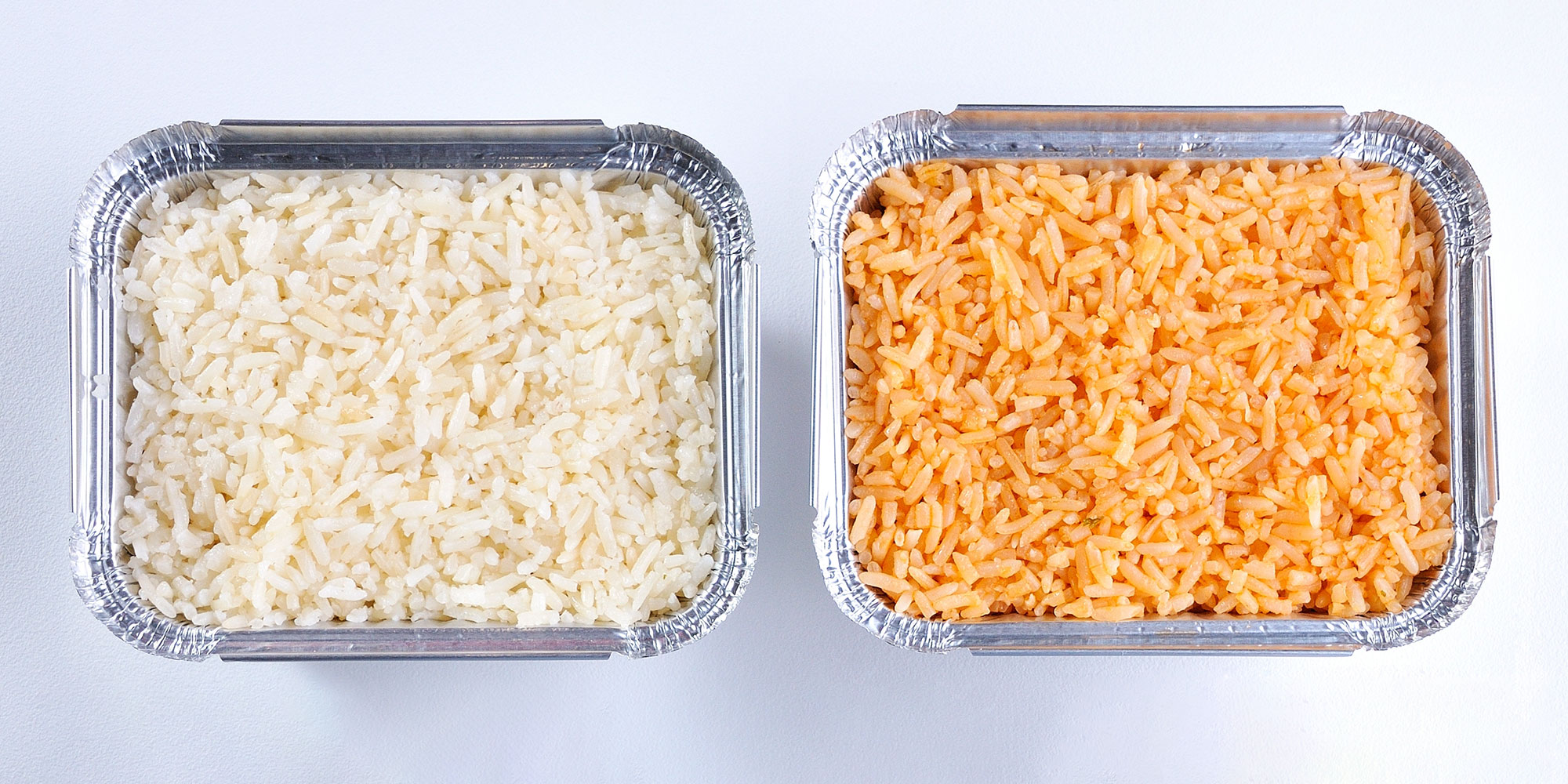
If the rice is safe to reheat, cool it quickly (within one hour) and store it in the fridge. Reheat until steaming hot all the way through and avoid leaving it out at room temperature – this can allow bacteria such as Bacillus cereus to multiply, which can cause food poisoning.
You can use a rice cooker to reheat rice, but only if you use the cook or steam mode – 'keep warm' mode won’t bring it to a high enough temperature. To stop it drying out, add a splash of water.
If your rice has been safely stored, try turning it into crispy rice cakes: combine the cold rice with a beaten egg and some chopped spring onions, shape into patties and fry in a little oil in a pan on a hob until golden on both sides. They’re especially tasty served with fish.
Below are some of the highest-scoring rice cookers we've tested:Can you reheat chicken?
Reheating chicken is safe, as long as you follow strict food safety rules and make sure you reheat it only once.
at least 75°C (165°F) for 30 seconds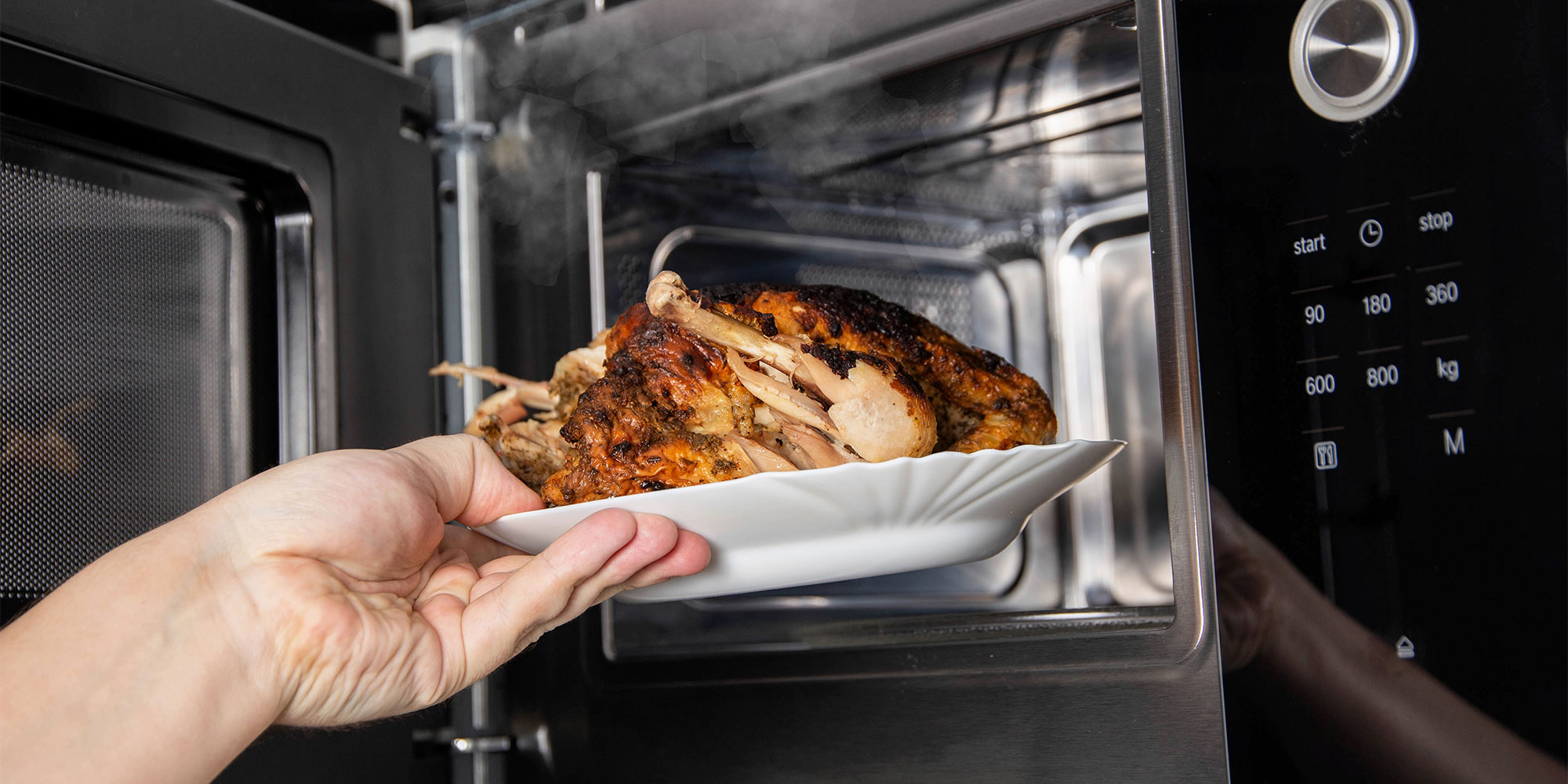
If you don’t have a food thermometer, cut the meat open with a clean knife to ensure it's steaming hot all the way through. You can cut chicken into smaller pieces before reheating for more even, quicker heating.
saucy chicken dishesplain pieces of chicken5 of the best appliances for reheating your food
1) Air fryers
Pros: Cons: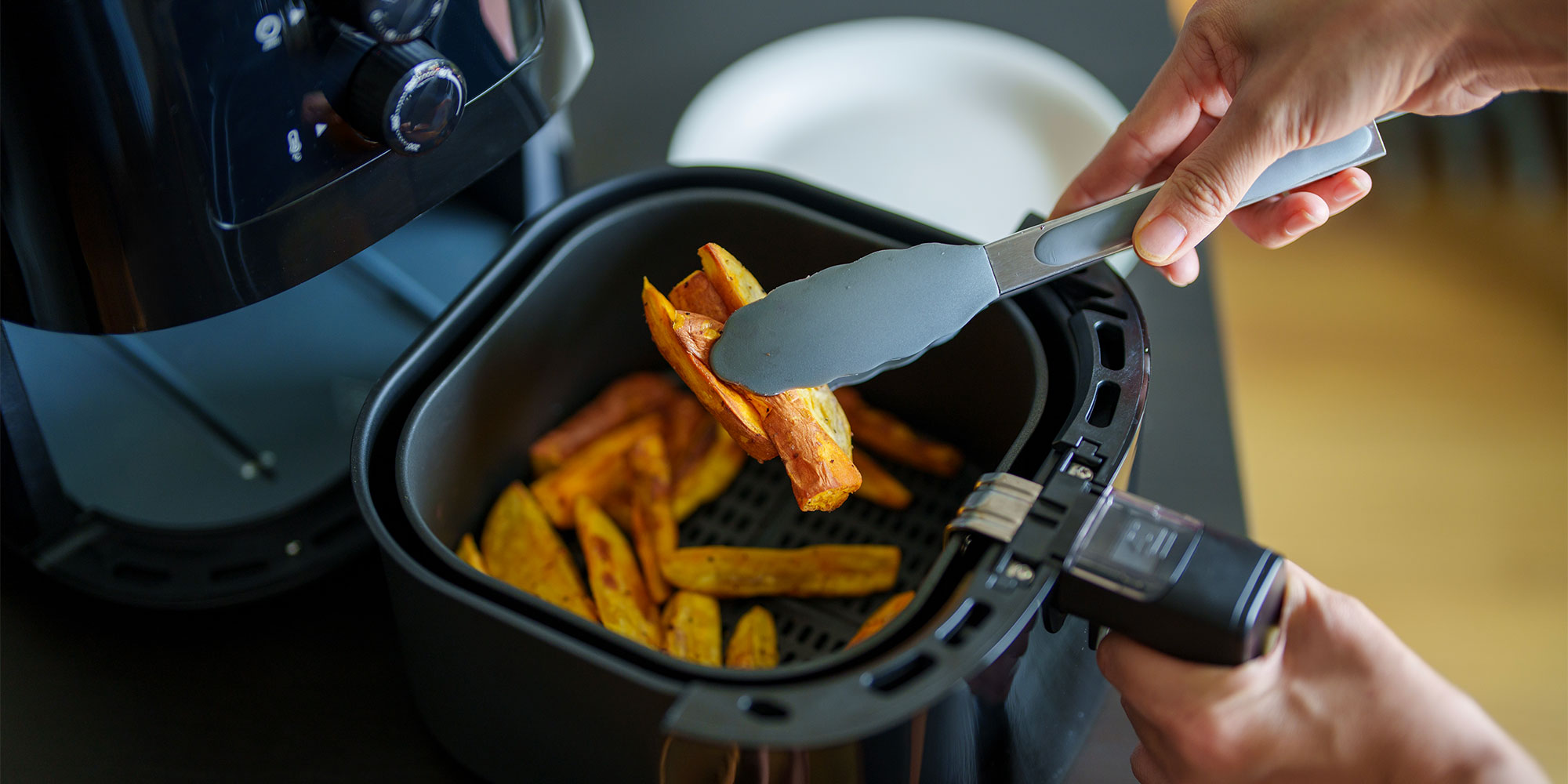
Air fryers are a handy way to reheat chips, fried chicken, spring rolls and even leftover pizza, though you may need to cut the slices smaller to fit the basket. They also work well with small pies or individual slices, heating and crisping the crust.
Our expert tests show cooking in a single layer produces maximum crispiness, and the FSA advises leaving space between items so they are thoroughly cooked. Preheating your air fryer will also help everything cook more evenly.
around 75°C (165°F)Below are some of the highest-scoring air fryers that we've tested:2) Multi cookers
Pros: Cons: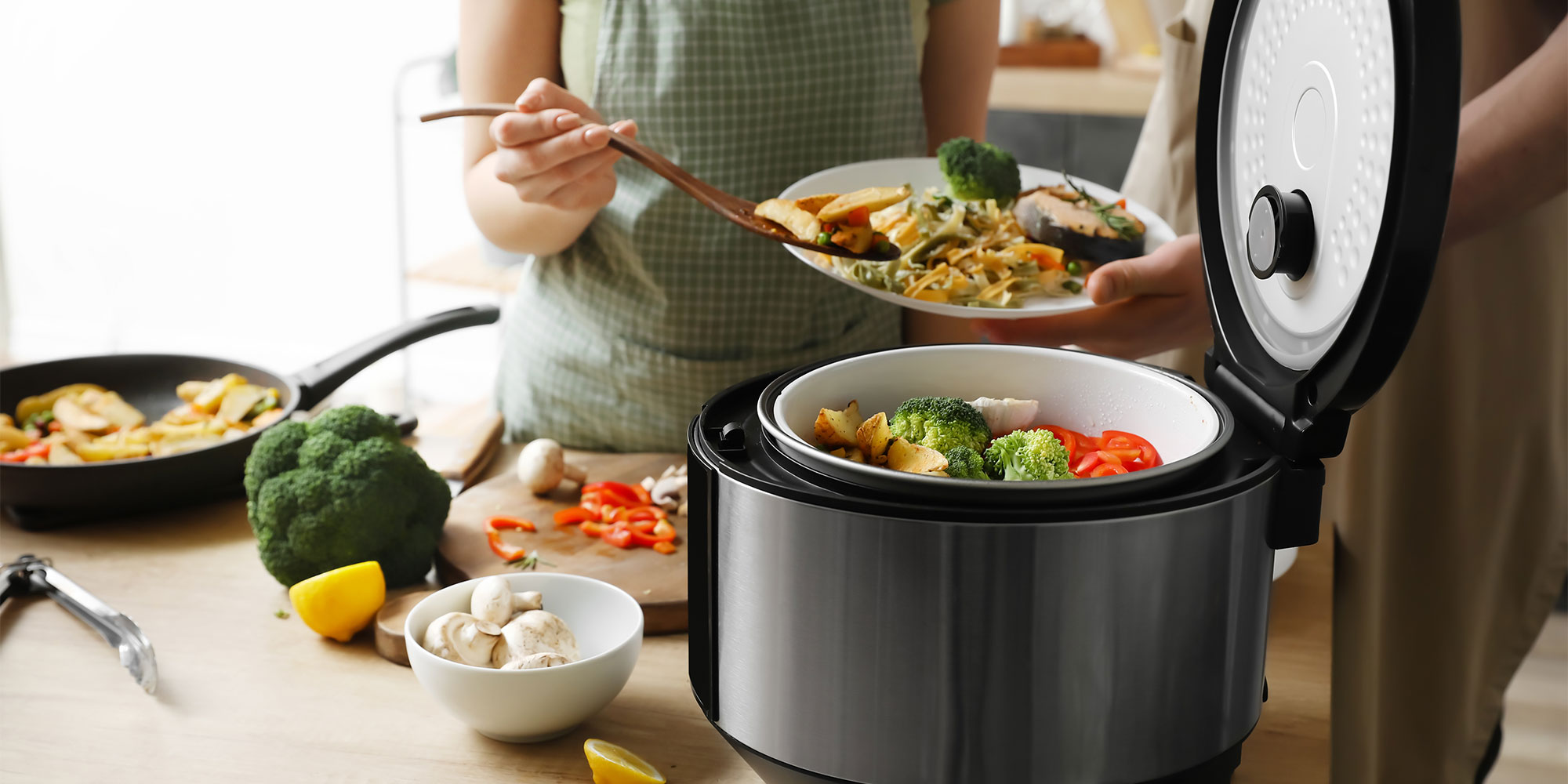
Having a multi cooker in your cooking arsenal means you can put different cooking modes to work depending on what you're reheating.
For example, air fryer mode is excellent for chips, pizza and fried chicken. Meanwhile, sauté or steam mode should be your go-to for curries and other sauce-heavy dishes.
Below are some of the highest-scoring multi cookers that we've tested:3) Microwaves
Pros: Cons: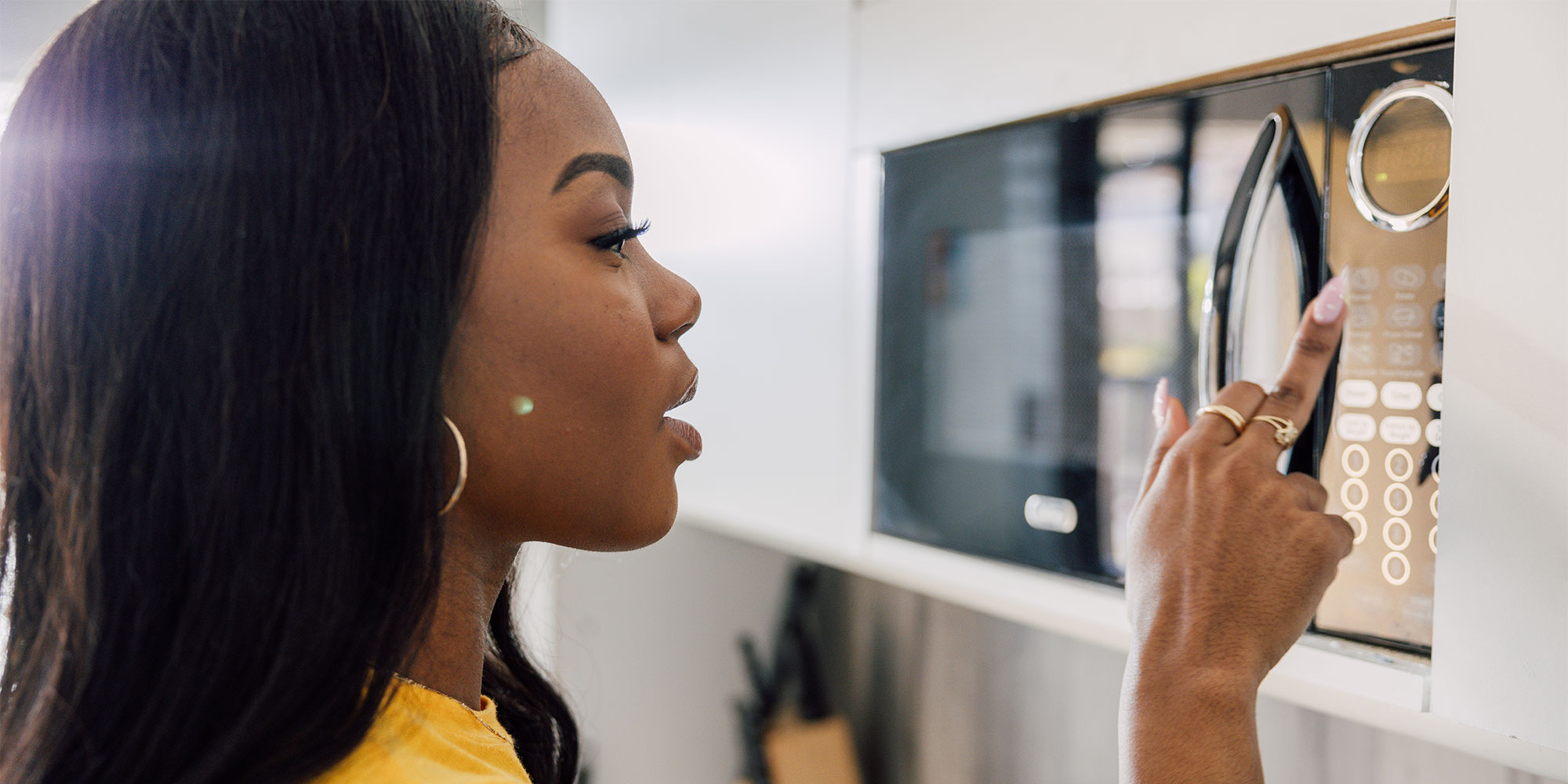
While air fryers are best for reheating crispy foods, microwaves are the perfect choice for saucier dishes. They work well for curries, pasta, rice and noodle dishes. Microwaves can also be used for soft-topped pies, such as shepherd’s pie, though it’s a good idea to cover them to stop the topping from drying out.
Below are some of the highest-scoring microwaves that we've tested:4) Conventional oven
Pros: Cons: Not the most energy-efficient option for heating up takeaway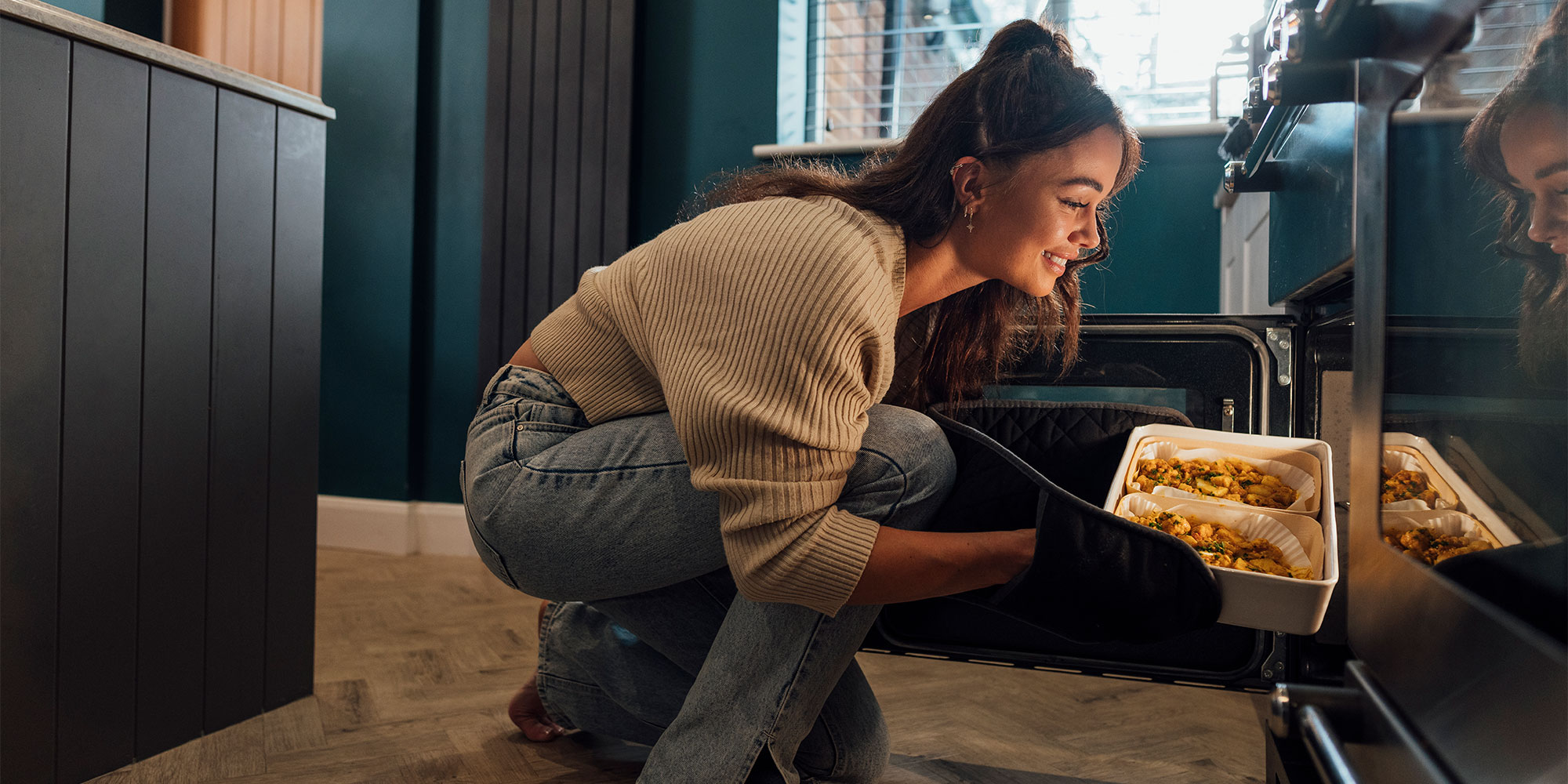
Ovens are particularly good for pizza, garlic bread and other pastry-based items, and covering them with foil can help stop them from drying out. Always check the food is piping hot before serving – the FSA recommends preheating your oven to ensure this is the case.
When we test ovens in our labs, we always measure energy efficiency so you can be sure you are getting the best model for your household bills.
Below are some of the highest-scoring built-in ovens that we've tested:5) Hob
Pros: Cons: Requires more attention and stirring than other methods to prevent sticking, uneven heating or burning, especially with thick sauces or rice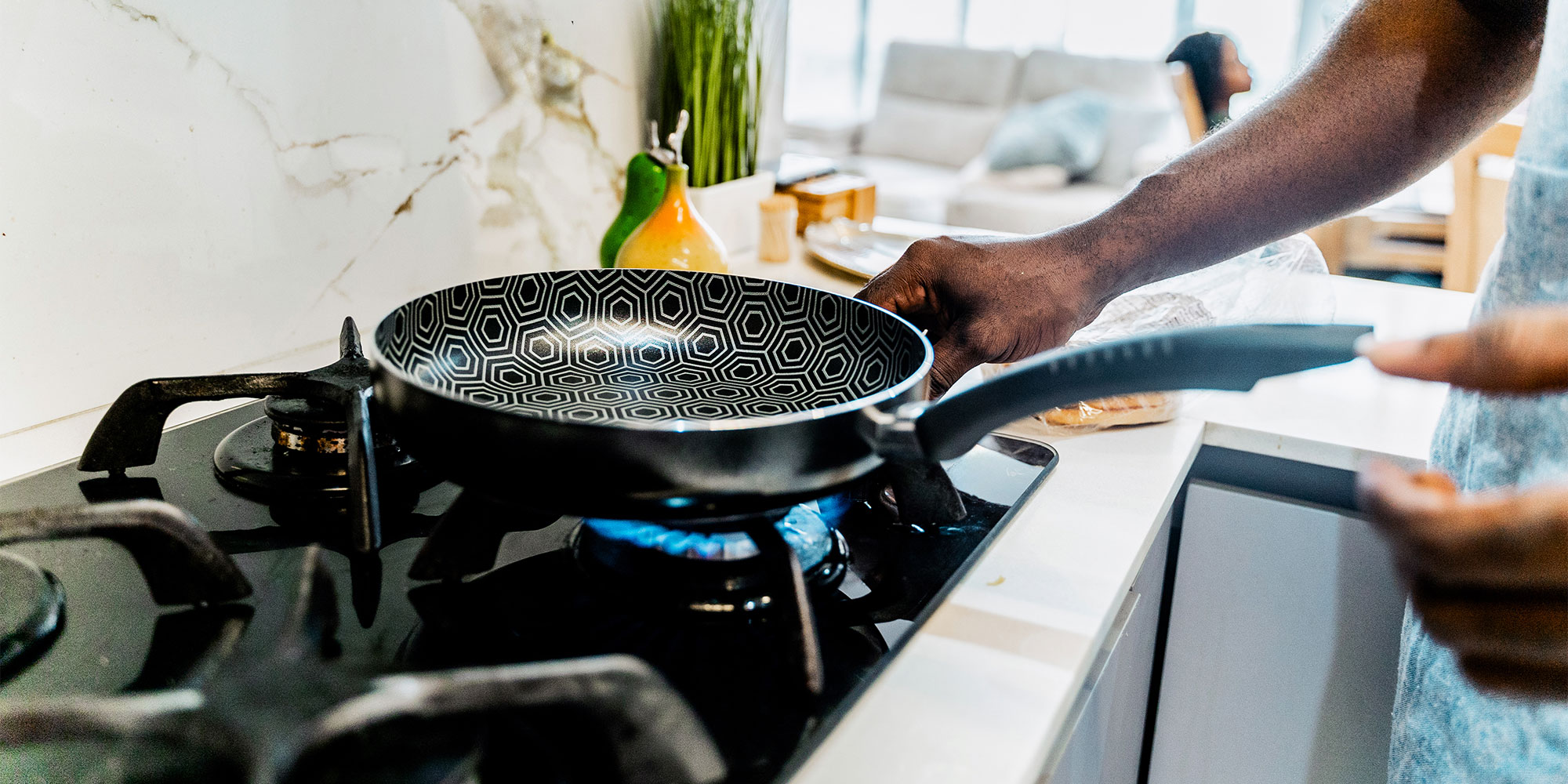
Your hob is one of the most versatile ways to reheat takeaway food. Because you can control the heat and stir dishes as they warm through, it’s well-suited for meals that benefit from being kept moving in the pan. Chinese takeaway dishes, curry sauces, noodles and soups all reheat well this way.
If you find sauces have thickened in the fridge, add a splash of water or stock to loosen them and stop them from sticking. Covering the pan with a lid for a short time can also trap steam, which helps rice and noodles soften and rehydrate.
Below are some of the highest-scoring hobs that we've tested:Can you freeze your takeaways?
Many takeaway favourites can be frozen safely, though some cope better with it than others.
Takeaway foods that freeze well
Curries, chilli, stews and soupsRice Naan bread, wraps and tortillas Pizza slices Chip shop chips (180°C for 8-10 minutes)(200°C for 15 minutes)Always label and date your containers, as most cooked food keeps for one to three months in the freezer. Store food in small portions to make thawing quicker and easier. Wherever possible, defrost in the fridge overnight or reheat from frozen.
For more details, see our advice on .Takeaway foods that don't freeze well
Salads and leafy greensFried battered foods Sushi or dishes with raw fish If you're shopping for a freezer with ample storage space, consult our guide to thesource https://www.which.co.uk/news/article/the-best-ways-to-reheat-your-takeaways-asWIm2K2zNoo