
But with a growing list of European countries considering a ban, we investigate whether it's a safe and proven solution for anxiety, or a possible gamble with your health.
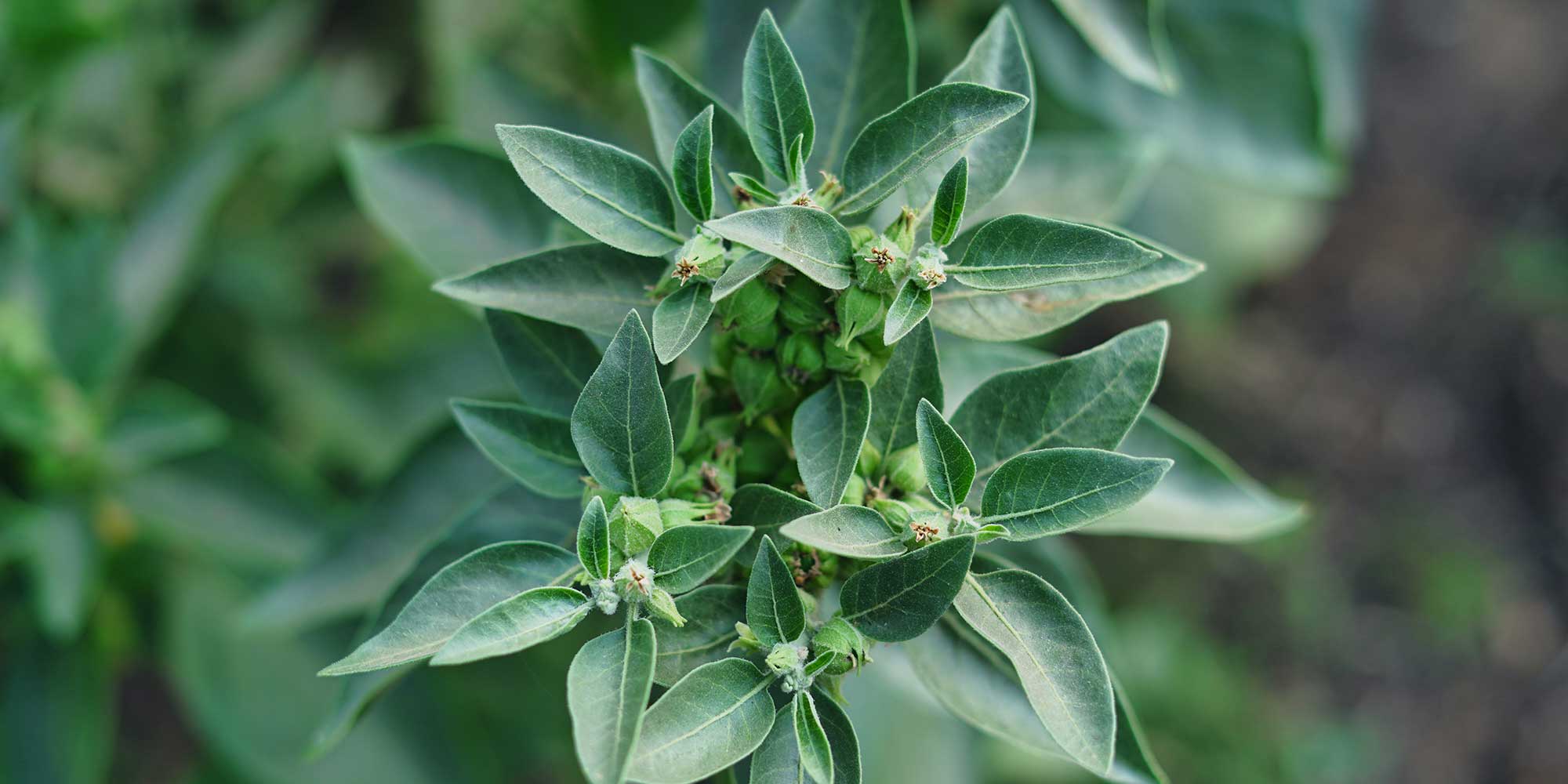
While it might be the latest buzzword in 'adaptogens' – supplements believed to help the body adapt to stressors – ashwagandha is about as far from new as it’s possible to get.
Native to regions of Africa, the Middle East and the Indian subcontinent, it has been used in Ayurvedic medicine for centuries.
Does ashwagandha work?

There is some clinical research behind ashwagandha, specifically the root extract.
However, while these results are promising, the studies are small (often involving fewer than 100 people) and run for only 8-12 weeks. Many trials are also funded by the companies that manufacture the extracts.
More work is needed, particularly because scientists have not yet established the impact of taking high doses over longer periods.
Currently, ashwagandha has no authorised health claims in the UK. What's more, emerging safety warnings from European regulators have raised concerns about the possible health impacts of taking it.
: what you need to know about the stress hormone, and why social media has got it wrongIs ashwagandha safe? The red flags you need to know
There is often an assumption that things that are ‘natural’ must also be harmless, but that's not always the case. For example, arsenic is ultimately natural. Plus, the dose/strength of a substance can make a big difference.
In the case of ashwagandha, there are potentially significant side effects and interactions that it’s important to be aware of, including possibly liver damage.
‘While the review is ongoing, we would advise people with pre-existing liver conditions and pregnant women to avoid ashwagandha supplements.
'We are not yet able to say whether a direct link exists between ashwagandha and liver injury, but it is sensible to be cautious for those who may be more vulnerable.
'Some of the data indicate a potential for liver toxicity. The available information is currently being evaluated by the COT for its quality and reliability to determine whether a causal relationship exists between ashwagandha supplementation and liver toxicity.'
Why you need to be careful with ashwagandha
The potential risks of taking it are currently being investigated, and include:
Liver issuesThyroid impact:Autoimmune risks: Pregnancy warning:It may also interfere with some medications.
: brands including Boots, Holland & Barrett, Optibac and Symprove reviewed by nutrition expertsWhat to consider if buying ashwagandha
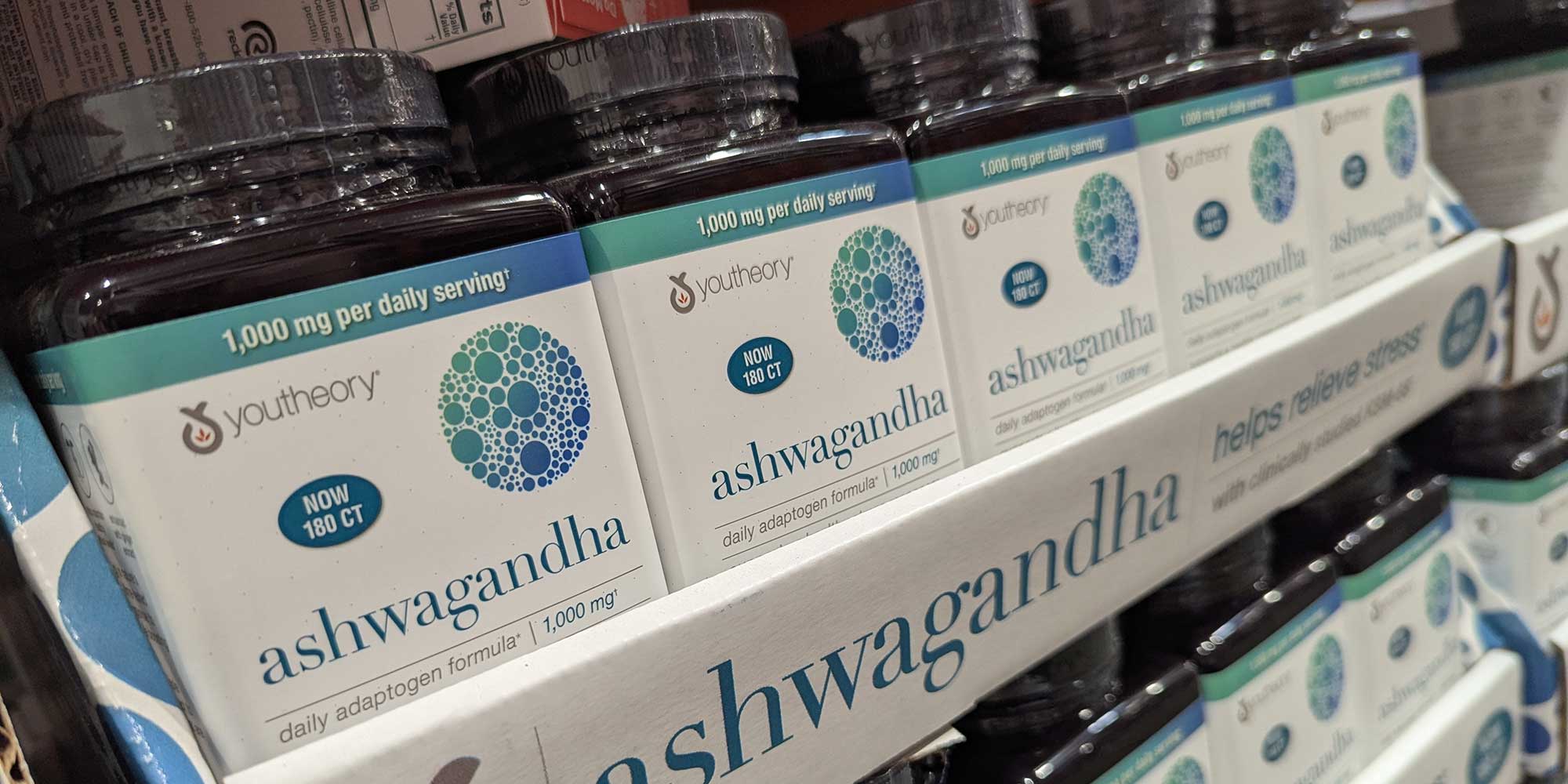
If you’ve weighed the risks and still want to try ashwagandha, take care to buy from a reputable brand that is transparent about its quality assurance processes.
Also look for labels that mention the percentage of withanolides (the active compound in ashwagandha). If a brand doesn't list this, you have no way of knowing how potent the extract actually is.
And do talk to a health professional first, especially if you have any pre-existing conditions or are taking medication.
Our verdict on ashwagandha
The Committee on Toxicity (COT) is currently finalising a formal safety statement on ashwagandha, expected later this year.
For now, given the lack of long-term safety data and the current uncertainty, it's best to proceed with caution – or preferably hold off for now.
source https://www.which.co.uk/news/article/ashwagandha-stress-buster-or-health-risk-aw2Ik4l90Kpv