
Most homes don’t need more cleaning products or effort, they need better technique. A few simple changes and a reliable set of go-to products can make cleaning quicker, easier and far less frustrating.
1. Never use boiling water with bleach

One of my biggest cleaning pet peeves is seeing people mix bleach with boiling water. It might seem like the steam would help disinfect surfaces more effectively, but in reality, the opposite is true.
On top of that, the fumes created by hot bleach are not only unpleasant, but harmful to breathe in.
When using bleach to clean, always dilute it according to the manufacturer’s instructions using cool or lukewarm water (often around a 1:50 bleach-to-water ratio).
Open windows where possible, wear gloves and avoid using clothes you don’t mind damaging, as bleach can stain fabrics quickly.
See our2. Loosen oven dirt by steaming before scrubbing
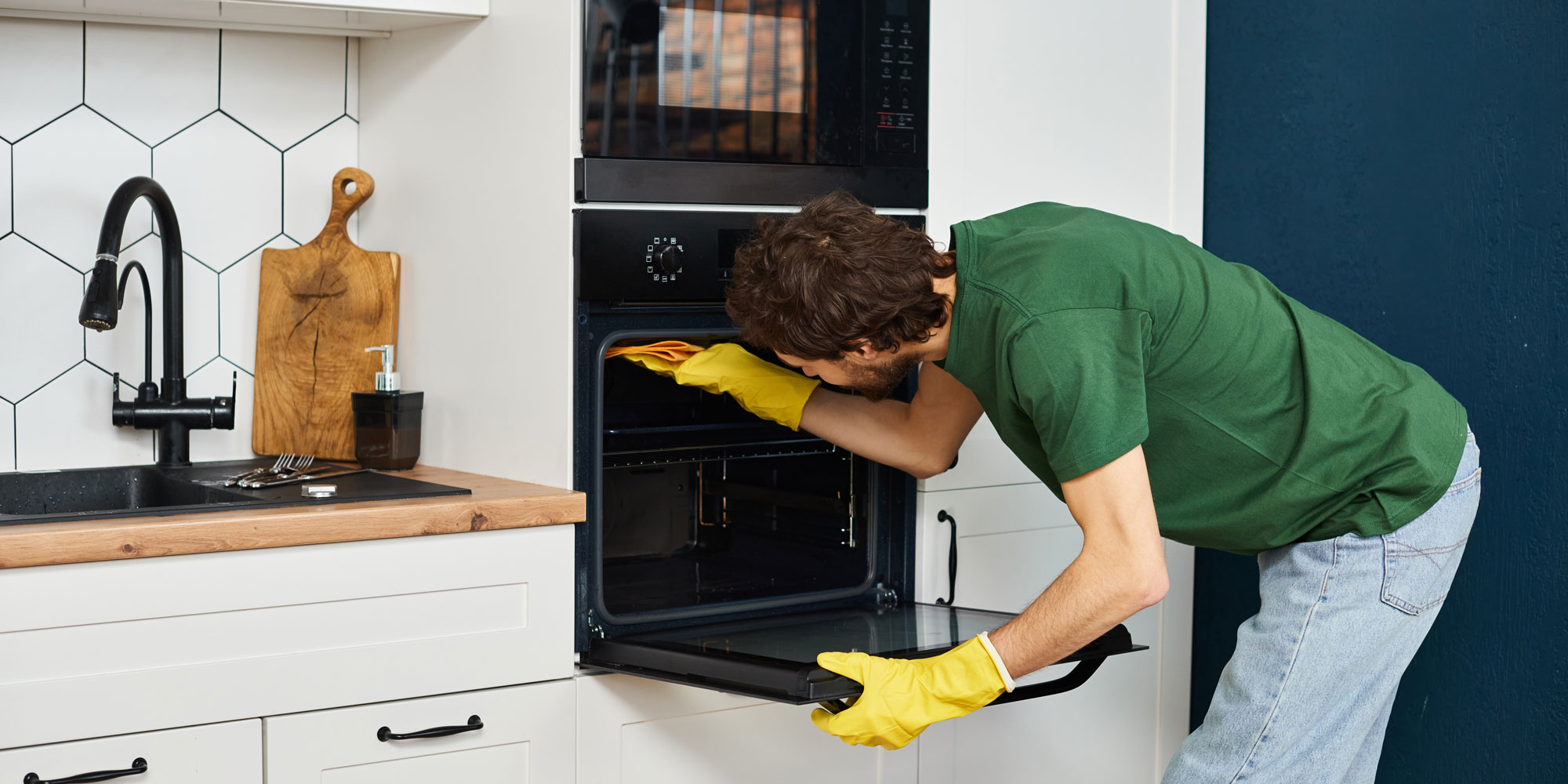
If your oven is coated in stubborn grease and burnt-on food, there’s no need to attack it with endless scrubbing.
Try steaming the grime loose first with lemon and water before going in with a dedicated cleaner.
3. Clean from top to bottom
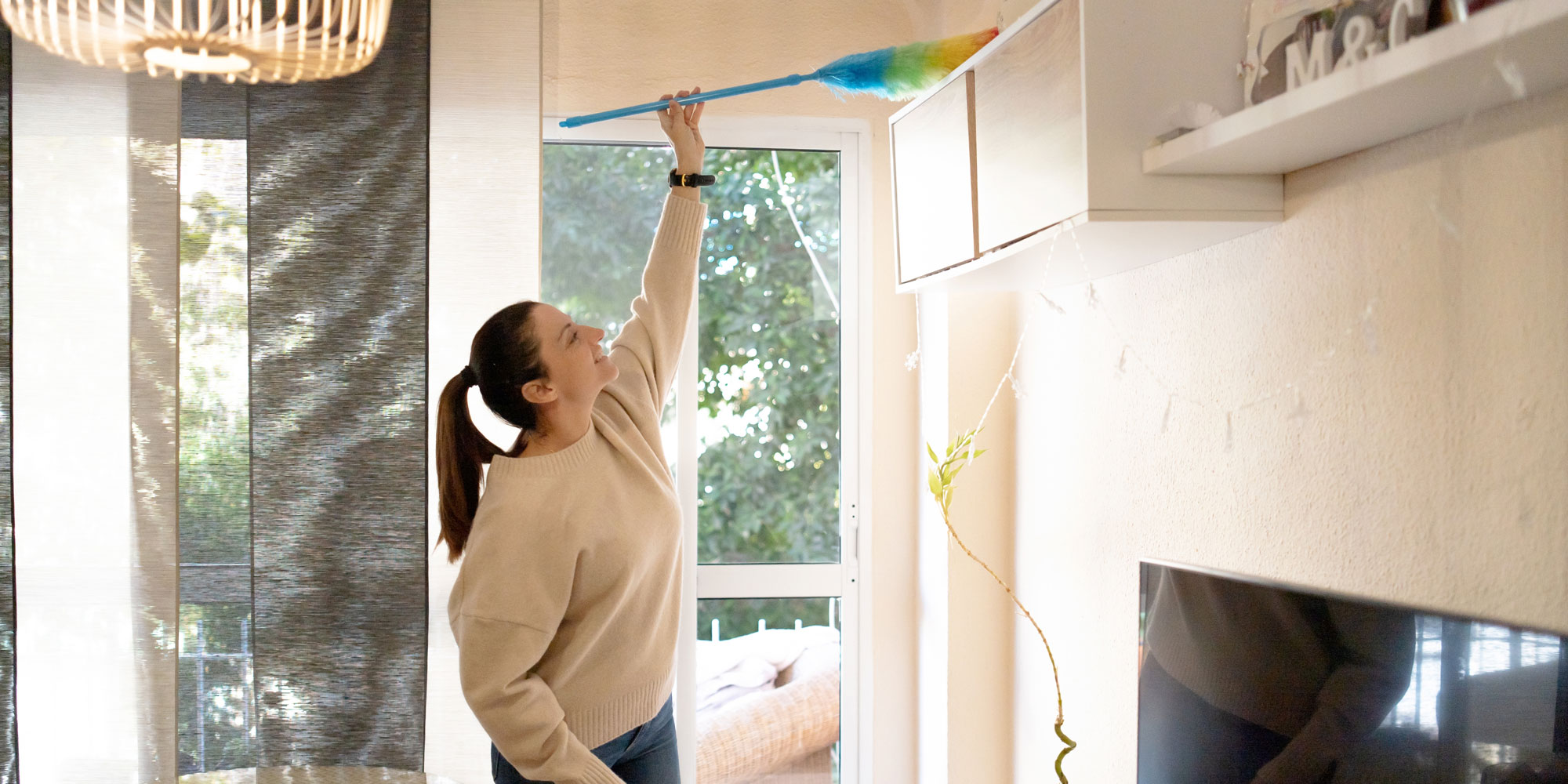
Cleaning from top to bottom stops you from creating extra work for yourself.
Dust, crumbs and debris naturally fall downward as you clean, so tackling higher surfaces first means you only need to vacuum or mop once at the end.
I always recommend cleaning in this order:
High points and ceilingsWalls and windowsMid-level surfaces and furnitureLow-level surfaces and skirting boardsFloors4. Use bicarbonate of soda as a deodoriser
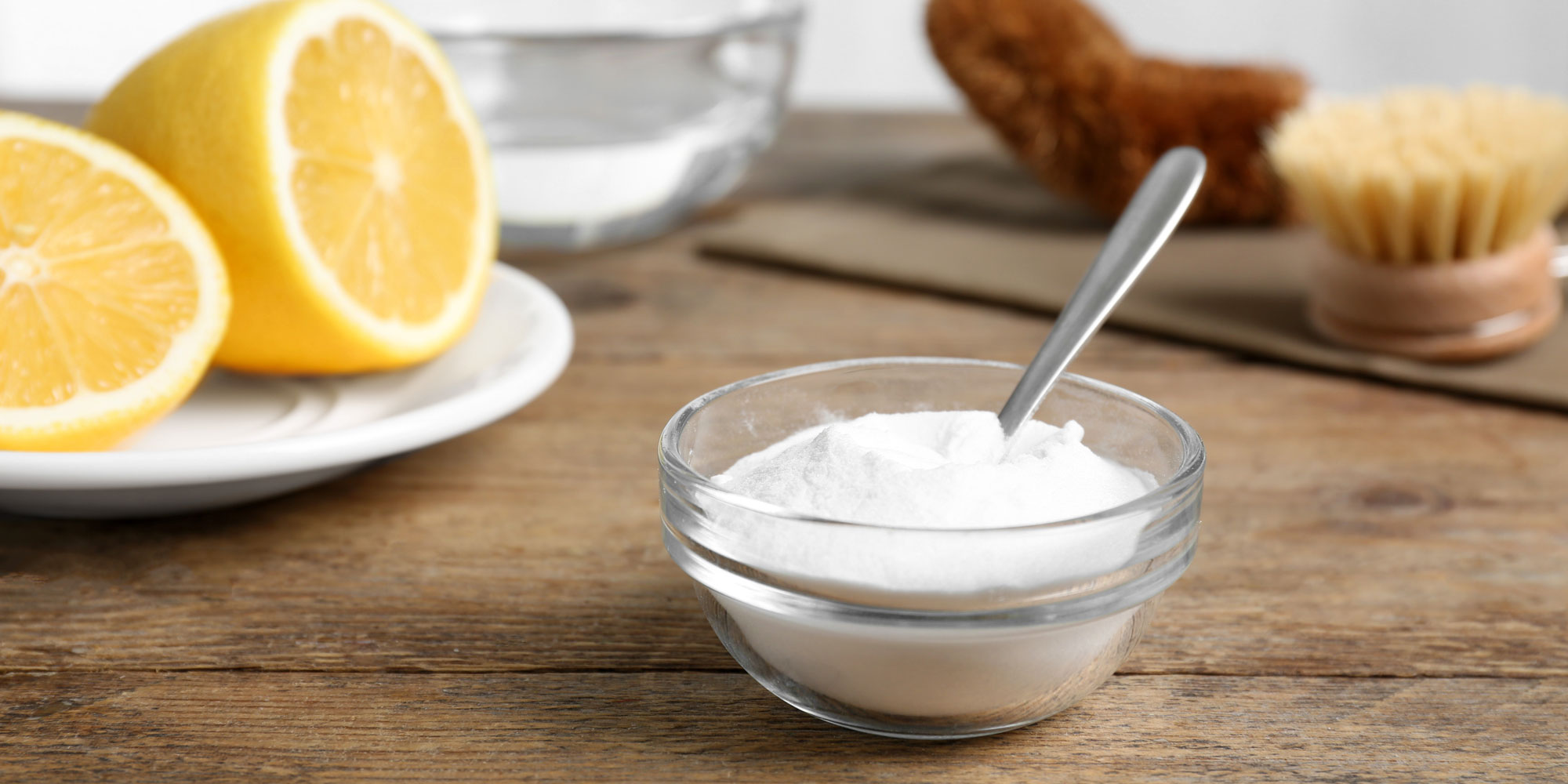
Bicarbonate of soda is one of the cheapest but most useful cleaning products I own.
Unlike candles or air fresheners, which just mask smells, bicarbonate of soda helps absorb and neutralise odours instead.
I always keep a small open pot in the fridge to tackle lingering food smells and replace it roughly once a month.
It’s also brilliant sprinkled over carpets, rugs and mattresses before vacuuming to help freshen up fabrics.
Our expert says
 Jacob Compton, Which? scientist
'Bicarbonate of soda isn’t just a masking agent - it’s actually a highly effective remedy for chemically neutralising odours at their source.
'Rather than simply covering up smells with fragrance, it acts as a chemical buffer that neutralises and absorbs odour-causing compounds before they disperse into the air.
This makes it particularly effective against common household odours such as sour milk, food spills, smoke and pet smells.
Here are plus5. Clean hob extractor filters weekly
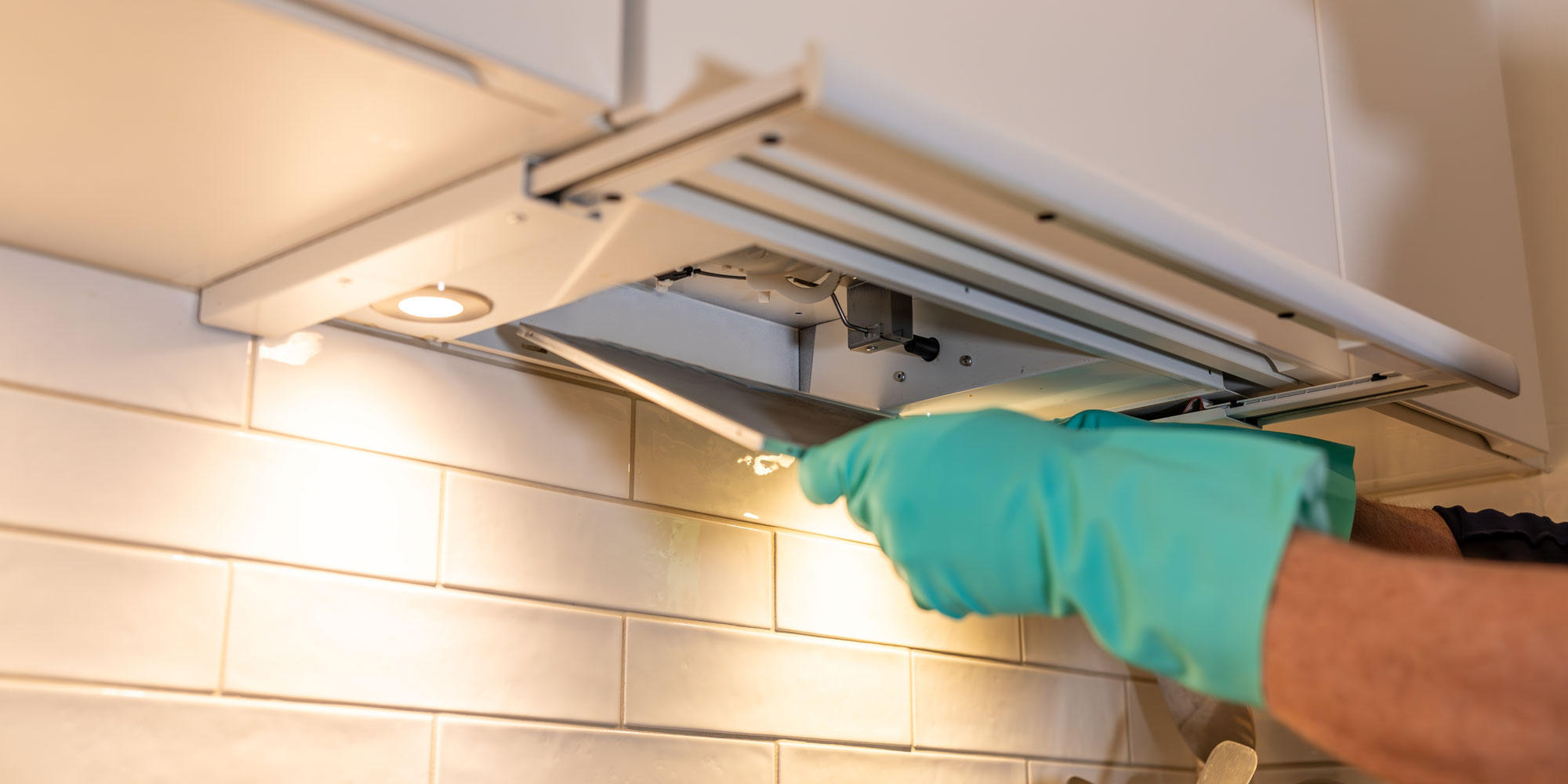
Cooker hoods are easily overlooked in the kitchen, despite quietly collecting grease and grime every single day. Over time, dirty filters make your extractor less effective and can leave a sticky residue on nearby surfaces.
Thankfully, most cooker hood filters can be removed and cleaned surprisingly easily. Keeping on top of them regularly helps your extractor work better and keeps your kitchen fresher overall.
In the market for a new hob? See our expert's pick of the .6. Use a glass cleaner to get shiny stainless steel
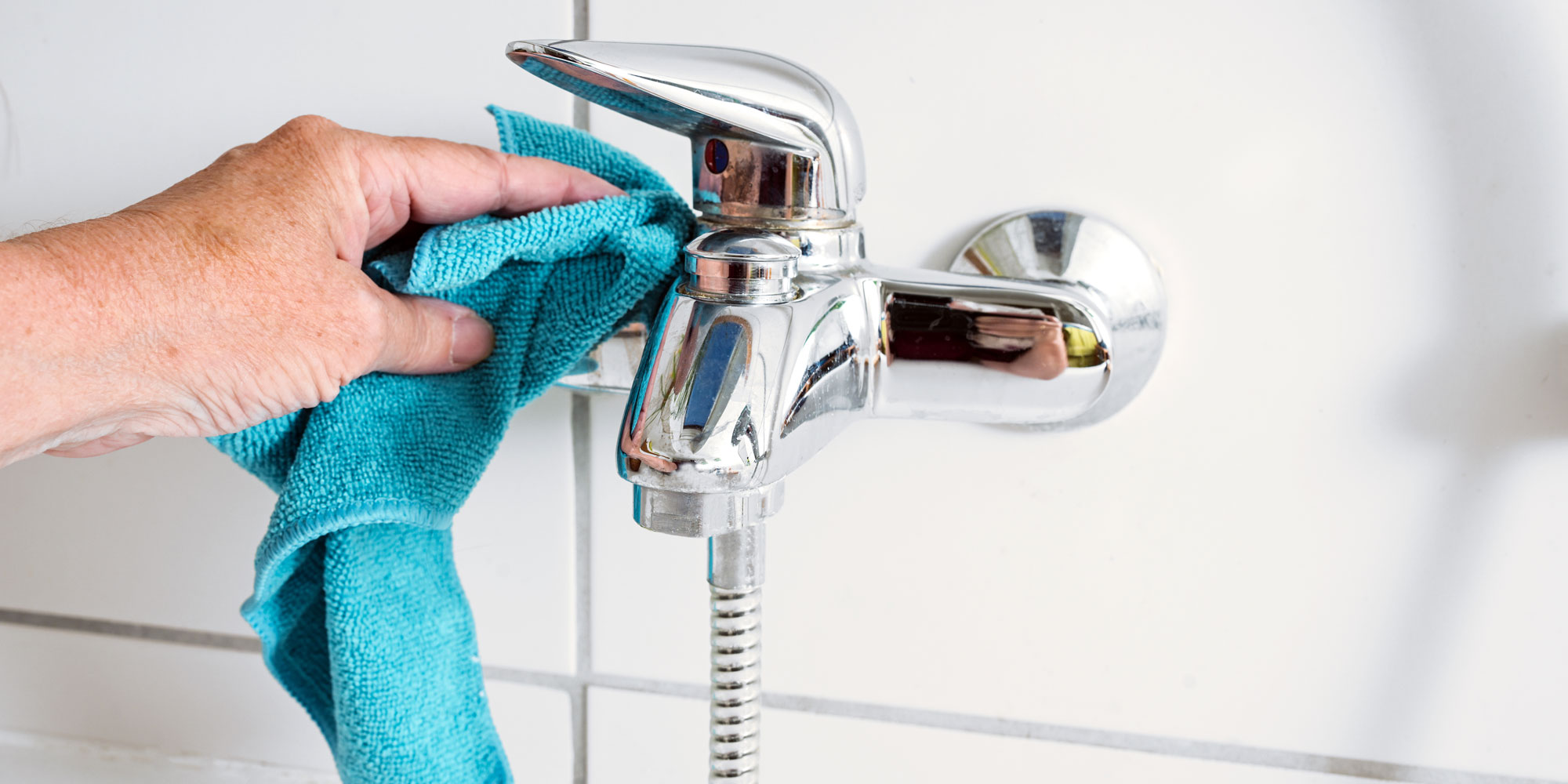
One of the simplest cleaning tricks I still swear by is polishing stainless steel appliances with a dry microfibre cloth and a light spritz of glass cleaner.
It’s brilliant for lifting fingerprints, water marks and streaks. You can also use a small amount of white vinegar to clean stainless steel, but I find glass cleaner smells a little nicer while you're using it.
That said, glass cleaner shouldn’t replace your main cleaning step, as it won’t disinfect surfaces. I find the best method is to:
Like wood, stainless steel actually has a grain to it - you'll get the best shine by buffing the surface with the grain rather than against it.
It’s also important to avoid abrasive scourers, steel wool or harsh chemicals like bleach and ammonia-based cleaners, as these can scratch and dull the protective finish over time.
You don't need to spend loads to get a decent glass cleaner - I find the cheap and cheerful option from Elbow Grease works well. Compare prices for this and other popular options below. Please note we have not tested these products.
White vinegar can be a handy tool for getting a polished shine, but there are some7. Squee-gee the shower after every use
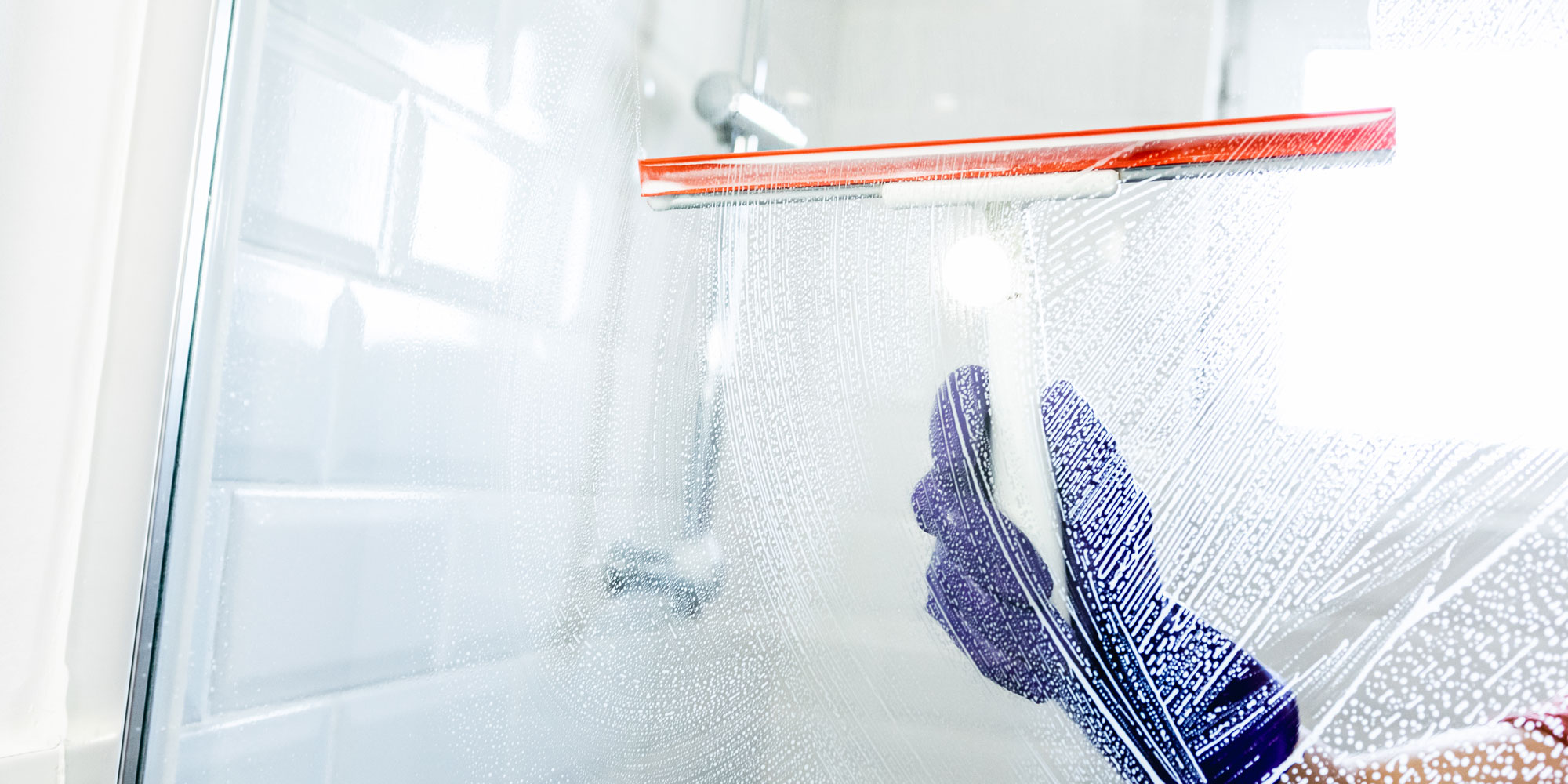
Keep a squee-gee hanging inside the shower so it becomes part of your routine, and focus especially on glass doors and corners where water tends to collect. You’ll spend far less time deep cleaning your shower later on and your bathroom will stay looking fresher between cleans.
If you want to make this task even easier, I recommend using a window vac. Compare prices for popular models from our expert testing below.
Get your shower looking spotless: see and read our guide to the .8. Mop wooden floors with the grain
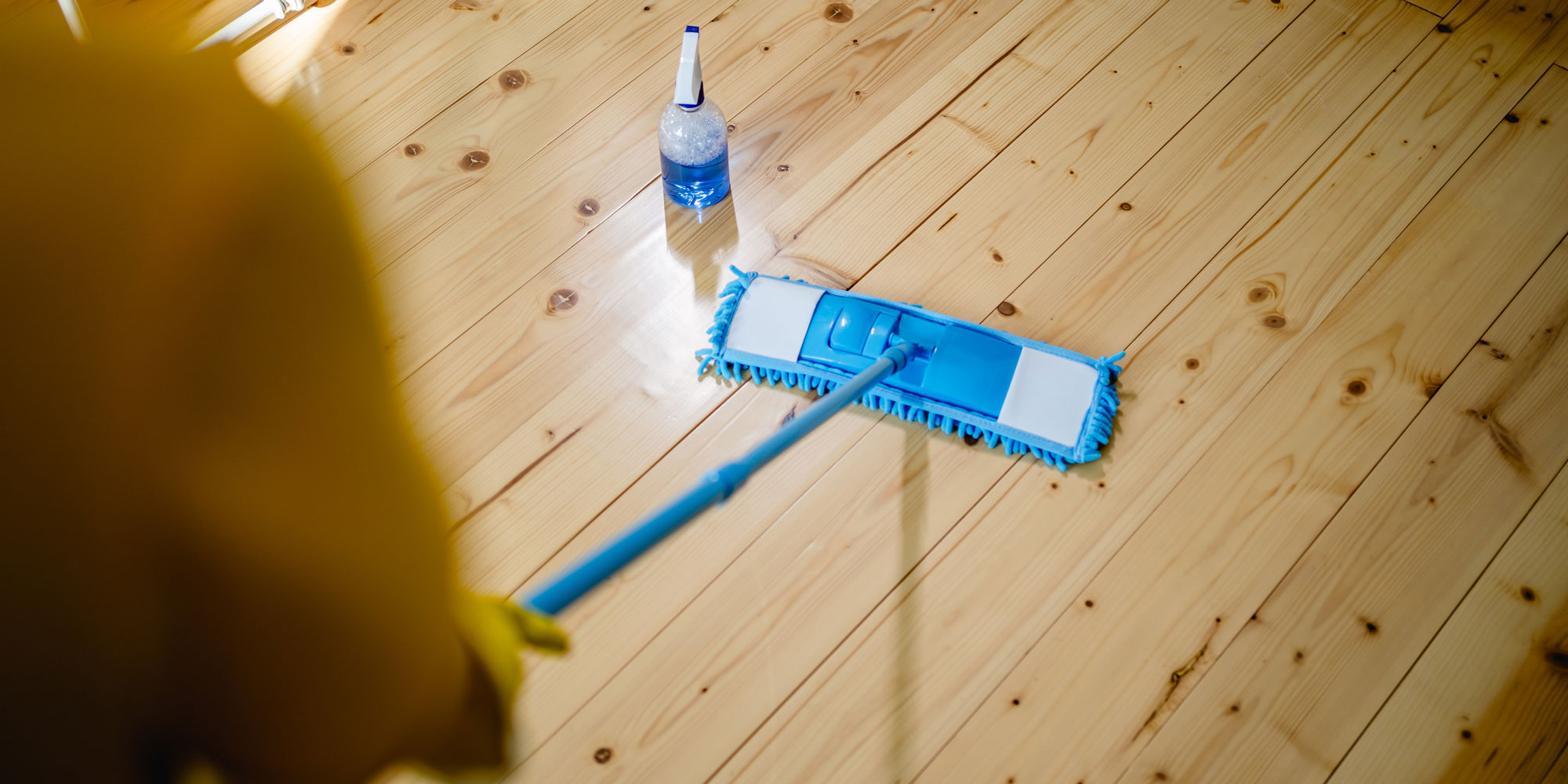
One of my old managers was adamant about this one: when cleaning wooden floors, the direction you mop really does matter. Always mop with the grain of the wood rather than against it.
Not only does it help lift dirt more effectively from the tiny grooves in the flooring, but it also leaves a cleaner, more even-looking finish with fewer visible streaks.
Mopping against the grain can also cause more friction, risking scratches appearing on your floor or damaging the finish.
A few other rules I follow when cleaning wooden floors include:
Vacuum first to remove most of the dried dirtUse a lightly damp mop rather than soaking the floorAvoid harsh chemicals or bleach-based cleanersCan I steam clean a wooden floor?
Fully sealed wooden floors, however, should be fine being steamed. You can tell if your wood floor is sealed by dabbing a drop of water on the surface in an inconspicuous area, and see if it soaks in or beads on top. If the water droplet beads on top of the wood, your floor is sealed.
If you're not sure, play it safe and stick with the mop.
Watch out for thesesource https://www.which.co.uk/news/article/the-top-cleaning-tips-i-swear-by-aE1gQ4y7rPOi