
This statistic, from Material Focus, the organisation behind the Recycle Your Electricals campaign, isn't the only shocking one. Based on our research*, 58% of smartphones, 53% of tablets and 43% of laptops were still in working order when replaced.
So why are people hoarding their devices instead of recycling them before they reach the end of their useful life? The answer is complicated, and it's not simply a case of wanting a shiny new phone in the latest colour.
Below, we investigate why so much usable tech goes to waste, the hidden costs of replacing devices, and what you can do to make your gadgets last longer.
Why fixing your tech can be difficult
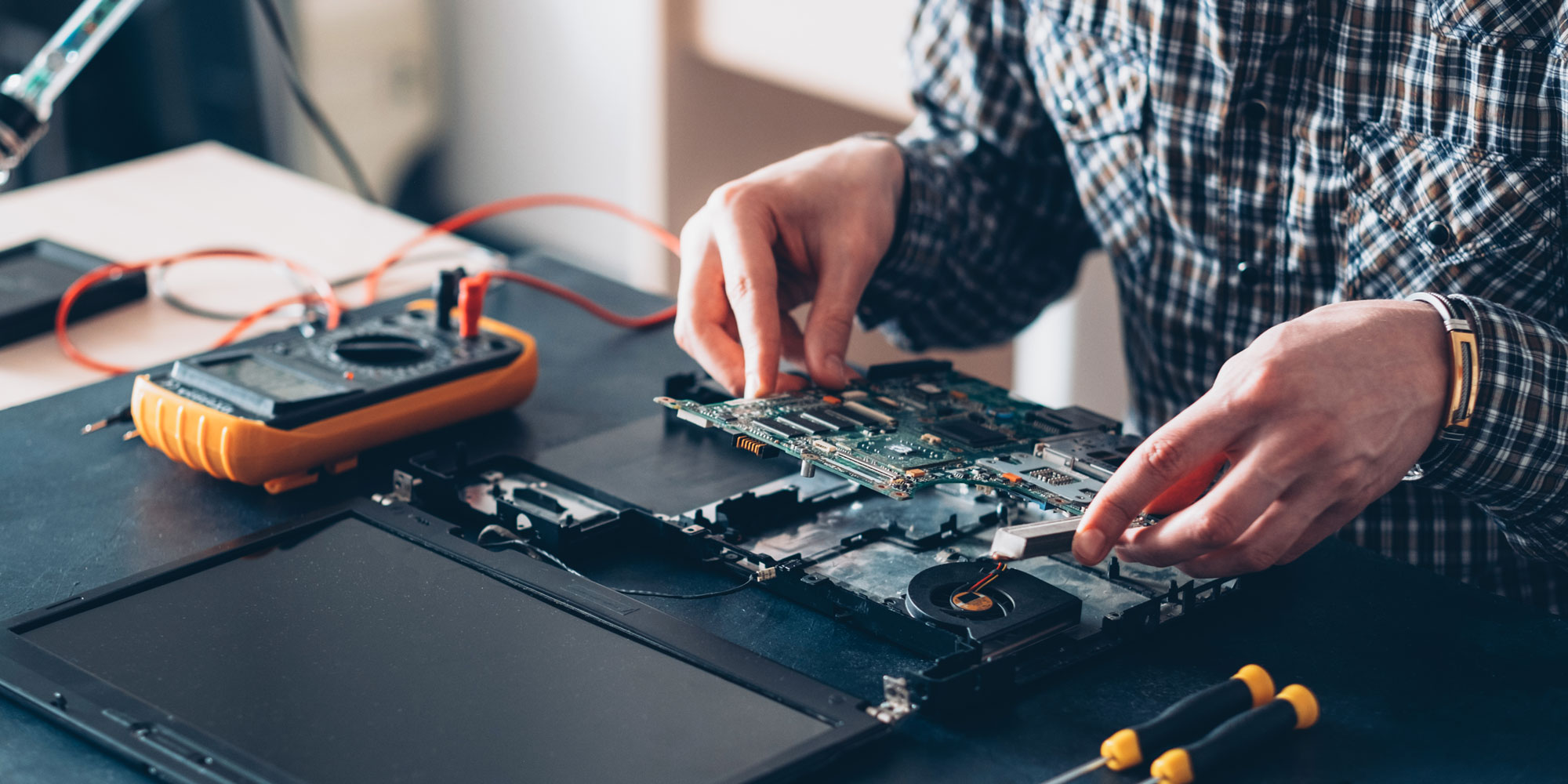
Not everyone upgrades simply because they want the latest tech. While manufacturers like Fairphone and Framework, respectively, make phones and laptops with user-replaceable parts, these are now rare exceptions, and the days of popping open your device and changing a part are mostly gone.
Many modern devices are sealed, too, making them slimmer and water-resistant. But even this complicates what should be a straightforward repair, like battery replacement. Coupled with a lack of spare parts, tools and clear and complete manuals, it’s often challenging for the average person to replace parts.
Dr Gavin Harper at the Birmingham Centre for Strategic Elements & Critical Materials at the University of Birmingham, says: 'Users with the degree of technical mastery and manual dexterity may find that they can order kits for battery replacement from the internet. And, with some skill and trepidation, they may find it’s possible to replace their own batteries. But this is a delicate job and risks damaging the device.’
Also, it’s extremely inconvenient to be without your phone for even a short length of time – so much of our day-to-day life, from online banking to shopping to communicating with friends and family, relies on our tech.
‘People are often not confident that repairs will be done promptly when we rely on these devices,’ says Professor Mark Miodownik, Professor of Materials & Society at University College London. ‘They start thinking “if I buy new and buy now, I have a new thing, I know it will work and it can be delivered the next day”. This decision tree leads people more and more to buying new.’
A pre-owned mobile phone can save you money and help you shop sustainably – see our guide onThe problem with forgotten devices
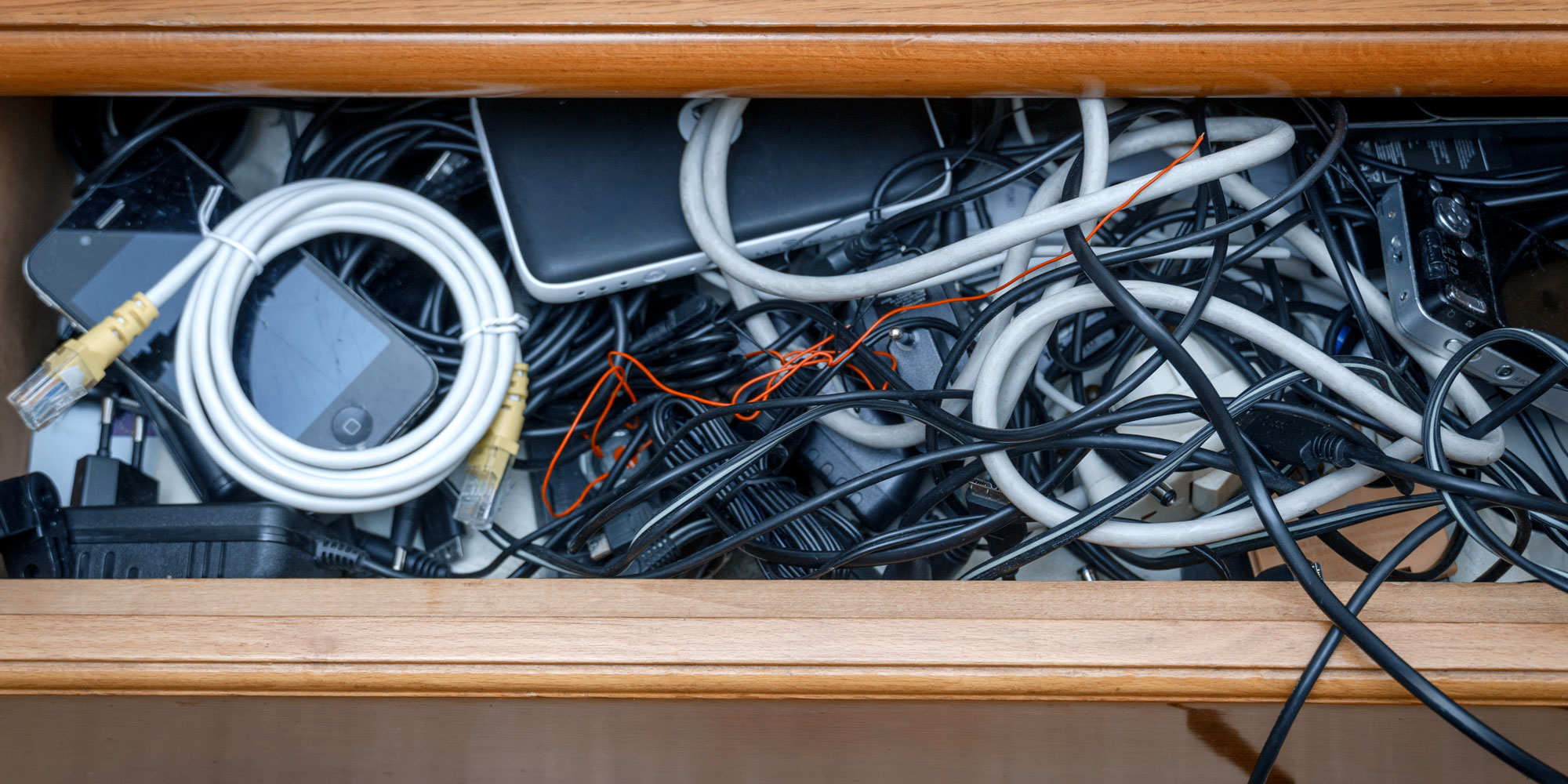
Once a device is no longer used, it still has a significant impact. If it’s thrown away or left in a drawer, the materials, such as copper, gold and lithium, may be lost from the supply chain. ‘This presents a problem due to the scarcity factor of the vast majority of these materials,’ says Dr Sean Scott, research associate on the Faraday Institution’s ReLiB Project, which investigates recycling lithium-ion batteries. ‘More of these elements need mining in order to replace old devices with new ones.’
But even if devices are disposed of responsibly, the recycling process still has its issues. Since the 1990s, much of our e-waste has been sent to Africa. ‘People in these informal economies were quick to learn how to repair these goods, which helped people on the ground,’ says Dr Ulrike Ehgartner, research associate, University of York School for Business and Society.
However, faster upgrade cycles and the lack of compatible parts in modern devices have changed this. ‘People slowly moved on to extracting the materials,’ Dr Ehgartner continues. ‘They use a lot of heat and chemicals. Acids, solvents and “forever chemicals” are also released to get them out again, causing environmental and health issues.’
Only 1% of Africa’s e-waste is formally recycled, leaving the rest to pass through unofficial channels. These informal recyclers, many of them women and children, according to the African Center for Economic Transformation (ACET), often dismantle e-waste with their bare hands or burn it in open pits to extract and recover reusable materials.
But there are signs this could change. New UK rare earth magnet and lithium-ion battery recycling facilities in the Midlands may help reduce the need for overseas recycling.
Buying new has a cost

Of the 118 confirmed elements in the periodic table, it might surprise you to learn that personal electronic devices can contain as many as 70 different elements, according to Dr Scott.
Some you may know, such as cobalt, nickel and lithium, which are used in batteries. Others, such as lanthanum, europium and terbium (used in the vivid colourisation of device displays), neodymium and dysprosium (which enable vibrate-only mode) and indium (which provides touchscreen functionality), may be less familiar.
‘The biggest issue with these raw materials is that they are finite. We mine them out of the ground, which brings with it a large environmental impact, in terms of the energy usage, and the generation of pollutants, which affect local waterways and can cause erosion,’ says Dr Scott. ‘Most of these materials are not found in big deposits and are often found during the mining of other minerals. A key example of this is cobalt, where it is essentially a byproduct of copper mining. This means that a lot of mining has to occur to meet the demand for these crucial elements.’
Cobalt mining presents further issues. In 2024, 76% of the global supply was mined in the Democratic Republic of Congo (DRC), where 37% of workers surveyed said they were in forced labour, and almost 10% were in child labour, according to research from the University of Nottingham.
What's being done?
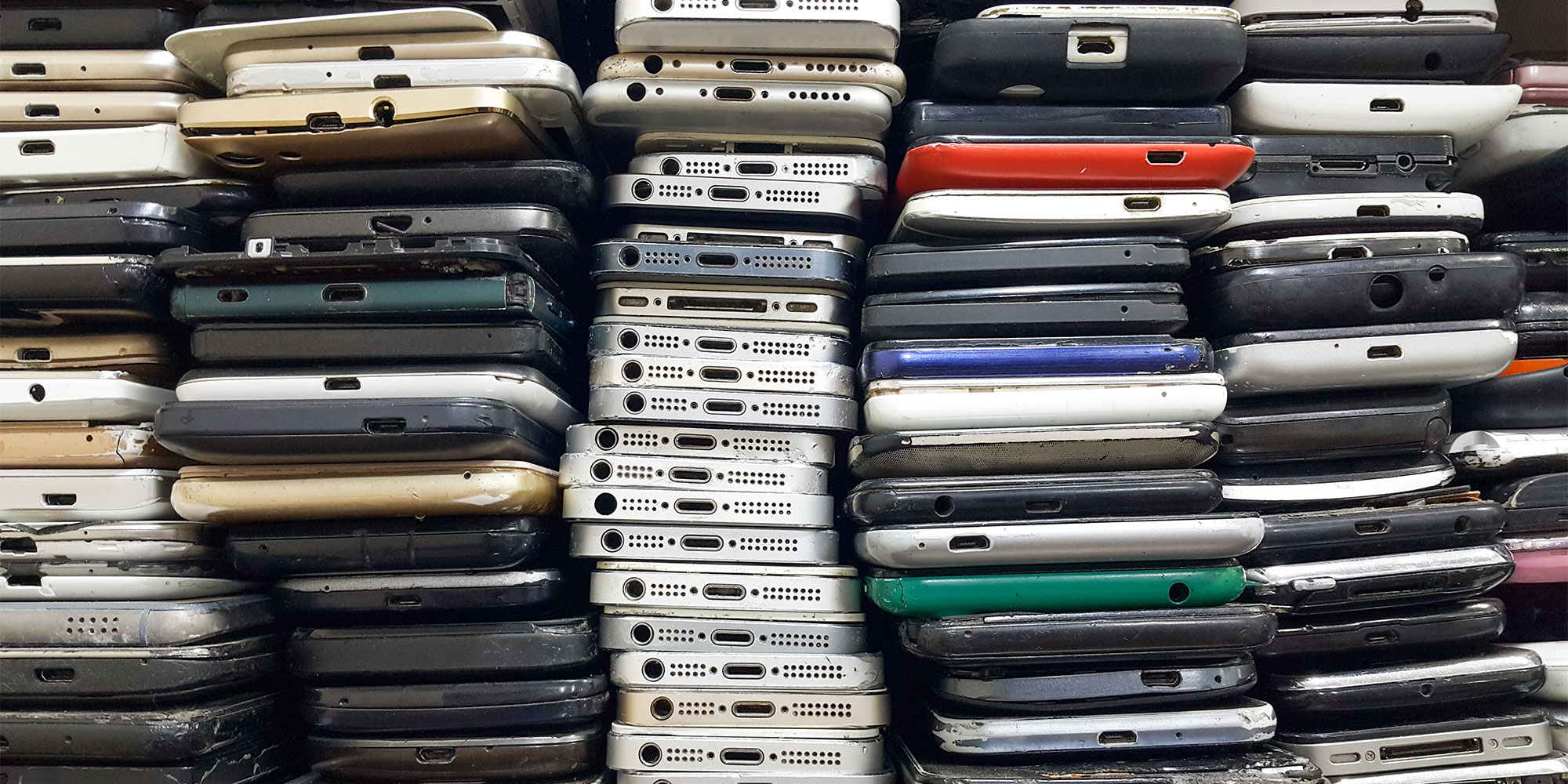
As consumers, the responsible thing for us all to do is to make sure we keep our tech devices running as long as possible. As Professor Miodownik told us: ‘Yes, do your recycling, but it's the least best outcome. The best outcome by a long, long way is to give this amazing stuff a longer life.’
However, consumer tech is excluded from the 2021 ‘Right to Repair’ legislation in Great Britain, which requires companies to provide spare parts for specific products. Northern Ireland falls under tougher EU regulations for tablets and smartphones, but not laptops.
These EU Ecodesign rules, which took effect from June 2025, require manufacturers to provide critical spare parts within five to 10 working days, and for seven years after a model's end of sales; offer operating system upgrades for at least five years from the date the last unit was placed on the market; and give professional repairers non-discriminatory access to necessary repair software/firmware.
The UK's Product Security and Telecommunications Infrastructure Act legally requires brands to publish their minimum guaranteed software update period. No minimum is mandated. In Northern Ireland, the EU's Digital Content Directive also applies; this requires updates ‘as long as the consumer can reasonably expect’, but again falls short of mandating a specific time period.
In 2024 the UK government set up a taskforce focused on reducing and reusing mineral waste, and it plans to publish the Circular Economy Growth Plan in early 2026. When announcing the priority areas, Steve Reed, who was the Secretary of State for Environment, Food and Rural Affairs, said: ‘It's time to end Britain's throwaway society.’
Which? agrees that the government should do more to ensure devices last longer, such as requiring mandatory minimum periods for how long different types of smart products must be supported by software and security updates.
See the – we've surveyed thousands of shoppers to find out which shops are the best for buying pre-loved techWhat you can do
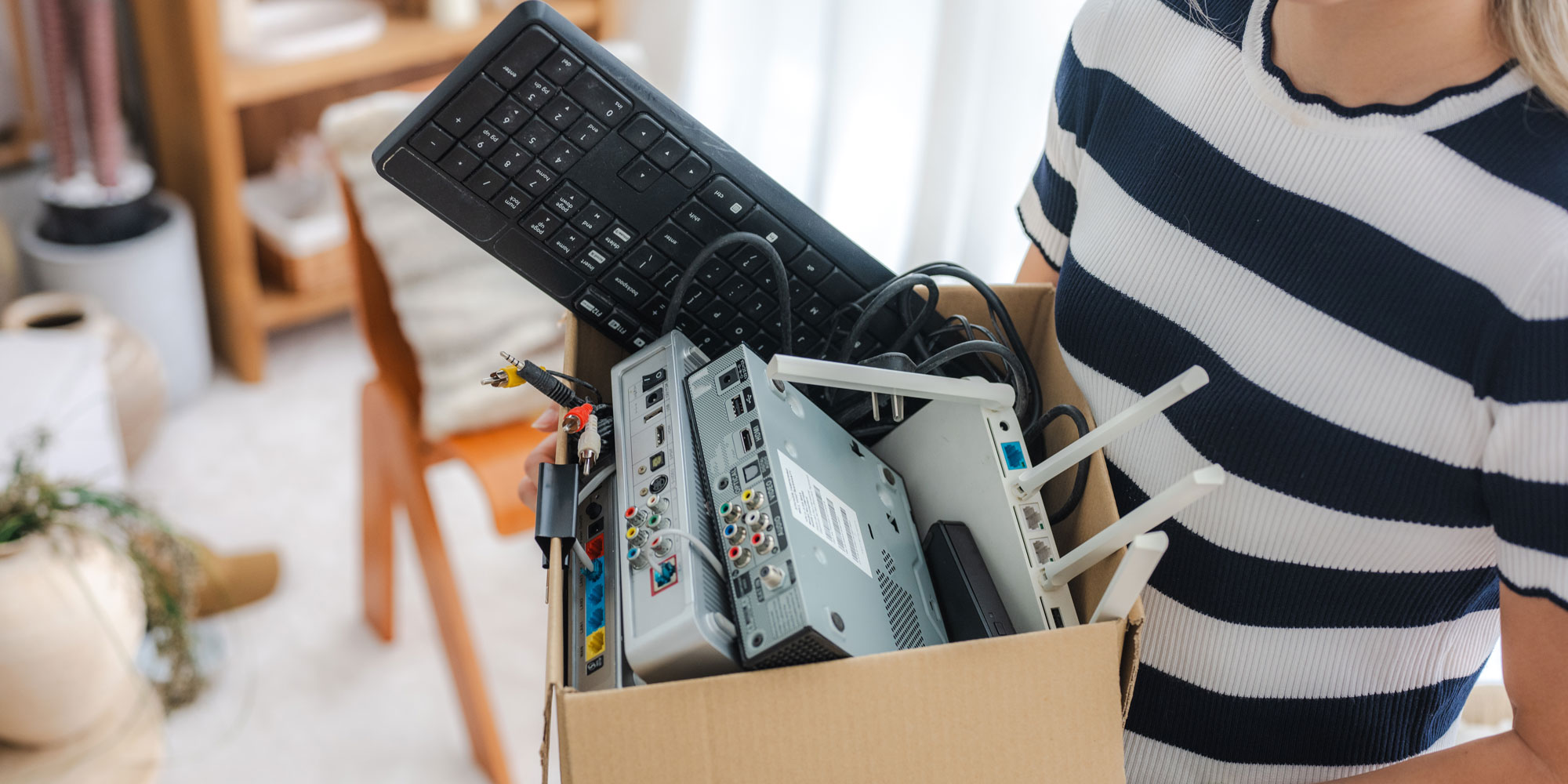 Buy nice, not twice Look after your techRepair it if you canDispose of your tech properly
source https://www.which.co.uk/news/article/not-got-the-latest-phone-this-is-why-youre-an-inspiration-axNHy2J0IBA5