
That’s why we’ve shared the five biggest accommodation rip-offs – from fake listings to double bookings.
Some are scams, others are booking errors – but all of them have the potential to ruin a much-anticipated trip away.
1. Your rental doesn’t exist
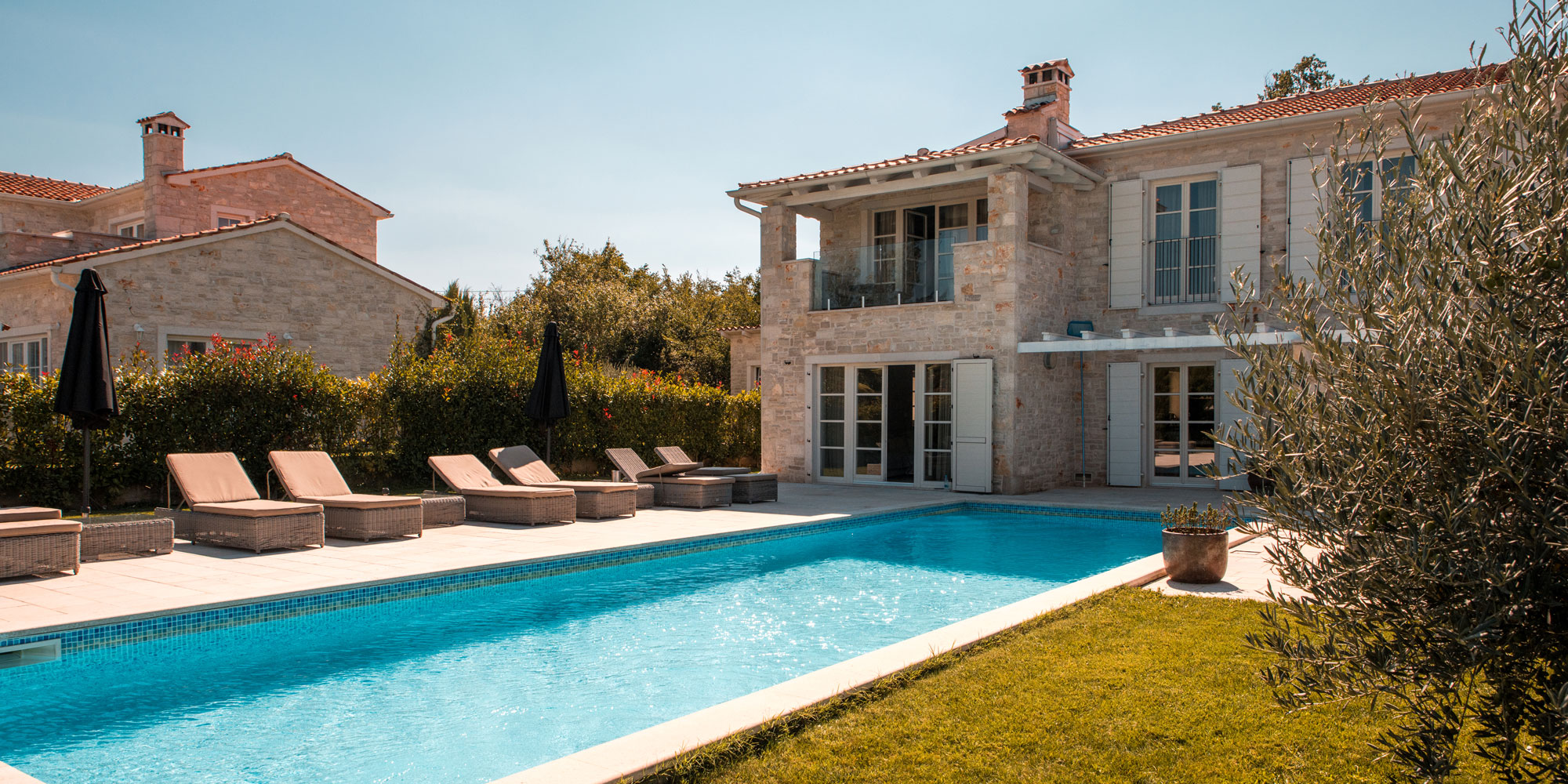
Imagine turning up at what you thought was your holiday rental, only to find that it doesn’t exist. Hundreds of Booking.com customers have reported this happening to them. Not only were many left with nowhere to stay, but some then struggled to get a refund – despite the listing being a fake.
Before you book, make sure to filter reviews by ‘most recent’ to see the most up-to-date feedback. That way you’ll be more likely to spot if other guests have been caught out.
You can also do a reverse image search on any photos included in the listing. Right-click on the property picture and choose ‘search image with Google Lens’. If you find the same picture being used for several listings, it’s probably a scam.
2. The accommodation is double-booked
Other travellers have turned up at their room or apartment to find another couple already in situ. Not only is it awkward, but again it can lead to a last-minute scramble to find alternative accommodation.
Double bookings happen when multiple reservations are made for one room or unit on the same night: a risk when the same listing appears on multiple platforms.
According to Booking.com, it happens when hosts do not set up or sync their booking calendars correctly.
undefined3. You’re asked to pay via bank transfer
If you booked via a third-party site, such as Airbnb or Vrbo, this is a massive red flag. Payments are always handled on the platform to prevent criminals from running off with your cash.
Typically, messages claim there’s a problem with your payment, before asking you to ‘verify’ or ‘update’ your card details.
If there’s even a shred of doubt, pick up the phone or email the hotel or host directly to check if the request is genuine.
 Travel expert Jo Rhodes says:
'We collect and store all information on our secure online system.’ Still, the whole thing was scarily convincing and I could easily have been caught out.
4. Your stay was cancelled and relisted at a higher price
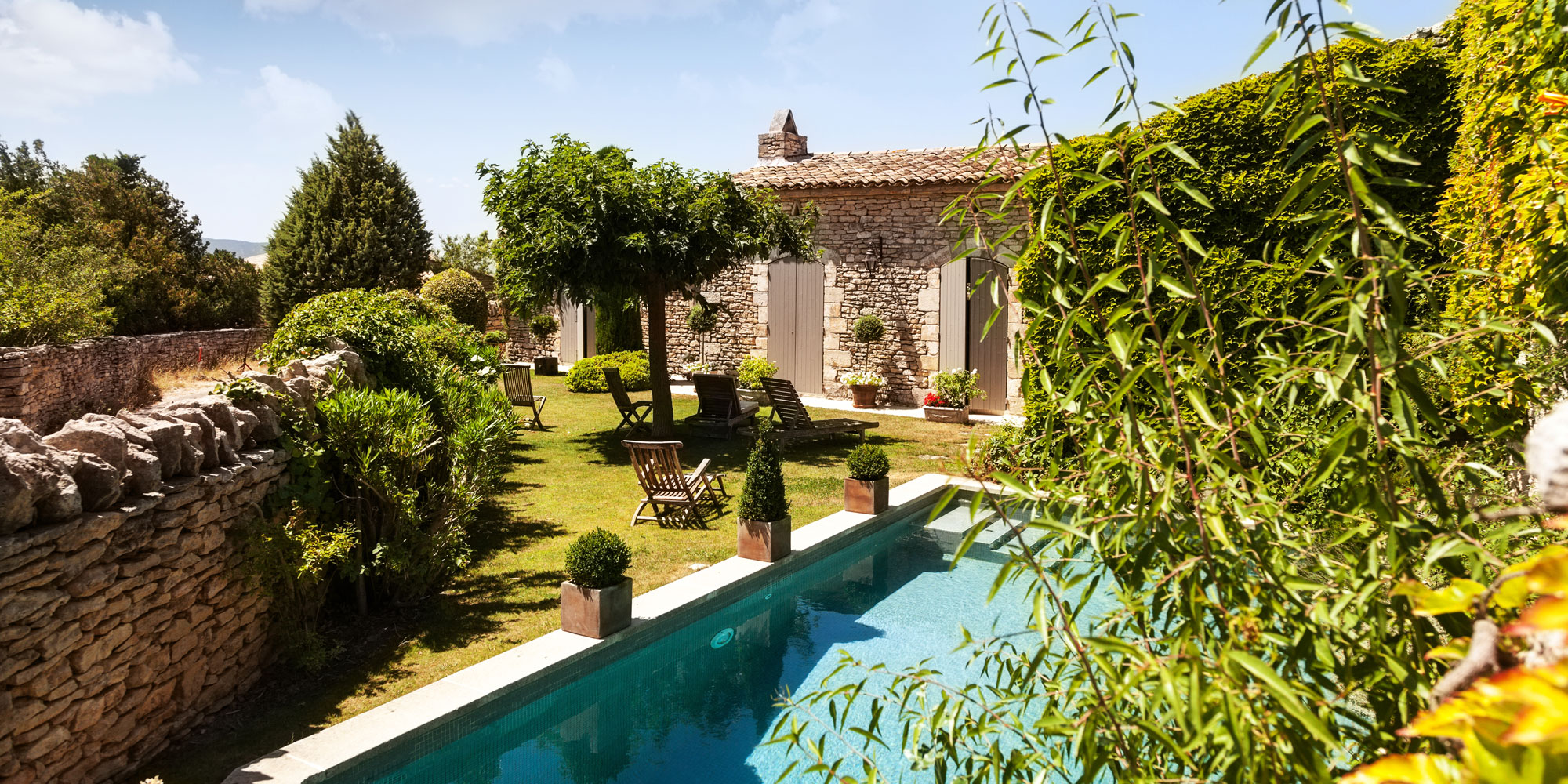
You’ve organised your accommodation well ahead of time, and then the booking is cancelled. It’s galling enough to be left hunting for a replacement at short notice, but what if you see the same room re-advertised at a much higher price?
Travellers have complained of this happening to them when big sports or entertainment events in the area have driven up demand. For example, one Which? Travel reader booked an apartment for the Rugby World Cup in Marseille via Booking.com only to have it cancelled and relisted for £4,056 – vs the £428 he’d originally paid.
Booking.com said its customer service team investigates properties that cancel with no good reason and try to find customers a suitable alternative at no additional cost. It also said that it would remove properties from its website where its T&Cs have been breached.
5. You’re charged for damages you weren’t responsible for
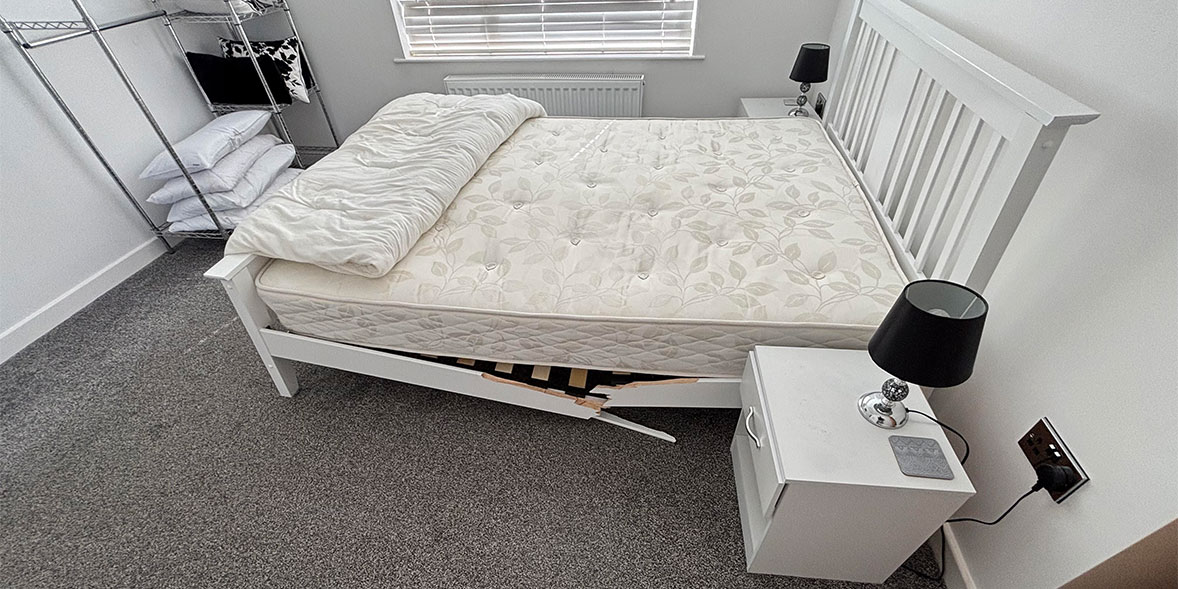
Sites such as Airbnb and Sykes Cottages have clauses in their T&Cs that mean they can take around £500 off the card you used to secure your booking to pay for damages.
To protect yourself from false claims, report any breakages as soon as you spot them and take photos or videos (preferably timestamped) to prove the damage was already done when you arrived.
For more investigations like this, unbiased advice and independent recommendations, subscribe to undefinedsource https://www.which.co.uk/news/article/5-holiday-rental-rip-offs-to-watch-out-for-aHSSW5g6Y8e5