
NAD+ is an acronym for Nicotinamide Adenine Dinucleotide. It is a co-enzyme – an organic molecule that binds temporarily to an enzyme to help it carry out specific functions.
NAD+ is found in every cell of your body, and its role is to help turn food into energy, and to repair damaged DNA. But can supplementing really bring benefits? We've delved into the science to find out.
What does NAD+ have to do with ageing?
As we age, our levels of NAD+ naturally drop. However, why exactly this happens, and what we might be able to do about it, is still far from clear. Scientists are still investigating whether falling NAD+ levels are the cause of ageing, or a symptom of it.
If a decline in NAD+ levels were found to be the cause, or one of the causes, of ageing, then it is of course theoretically possible that taking a NAD+ supplement could help slow down the ageing process.
But if falling levels are simply a symptom of ageing, then taking them might be like pouring water into a leaking bucket - the problem that would need ‘fixing’ is the leak that allows their levels to fall in the first place.
 What's in NAD+ supplements? is considered too large to be absorbed effectively by the human gut.body can actually absorb from your gut and use to make NAD+.
While some newer supplements include NAD+ (some with special coatings designed to survive digestion and enable absorption), it is still uncertain how well these versions are actually absorbed by the body.
NR (Nicotinamide Riboside) is a smaller molecule, so unlike NAD+ your body can easily absorb it. It is widely available in supplements and has the most human safety data behind it.NMN (Nicotinamide Mononucleotide) is another precursor that has shown some promise, but it hasn't yet been approved for use in food supplements in the UK. – independent reviews you can trust from our expert nutritionist and dietitianIs there any evidence that NAD+ supplements actually work?
The buzz around NAD+ supplements is certainly tempting - who wouldn't want more of the 'longevity molecule'? And some trials have indeed shown impressive results. With one very large disclaimer: these experiments have largely been conducted on rodents, not humans.
But humans are, of course, not mice. Many drugs that have worked well at the 'testing on mice' stage have failed totally in human clinical trials.
For a start, mice only have a lifespan of around two years and have much faster metabolisms, so what looks like ‘age-reversal’ in a mouse might actually equate to a tiny, unnoticeable boost in a human being.
But again there is a major caveat: there is not yet any firm proof that these raised levels lead to any actual physical improvements. And while some people say they feel mentally ‘sharper’, many clinical trials show no significant difference in energy between those taking the pill and those taking a placebo.
Is it worth trying NAD+ supplements?
For now, we'd say probably not. As yet, no definitive proof that boosting your NAD+ levels prevents age-related disease or slows ageing in any way. At £50 or more a month, this is a very expensive 'maybe'.
r most people, focusing on exercising more, eating healthily and getting decent sleep will provide a much better return on investment.Like most supplements in the UK, they are regulated as food supplements or wellness products, not as prescription medications. This means regulation is not as strict, and you can't always be sure that what is on the label is actually what is in the bottle.
bear in mind, this process doesn't prove a supplement is effective, just that it's generally safe to consume.as a novel food- tips from bone experts on the exercise that can keep your bones strong for longerWhere to buy NAD+ supplements
If you are interested in trying these supplements, stick to well-known brands and retailers.
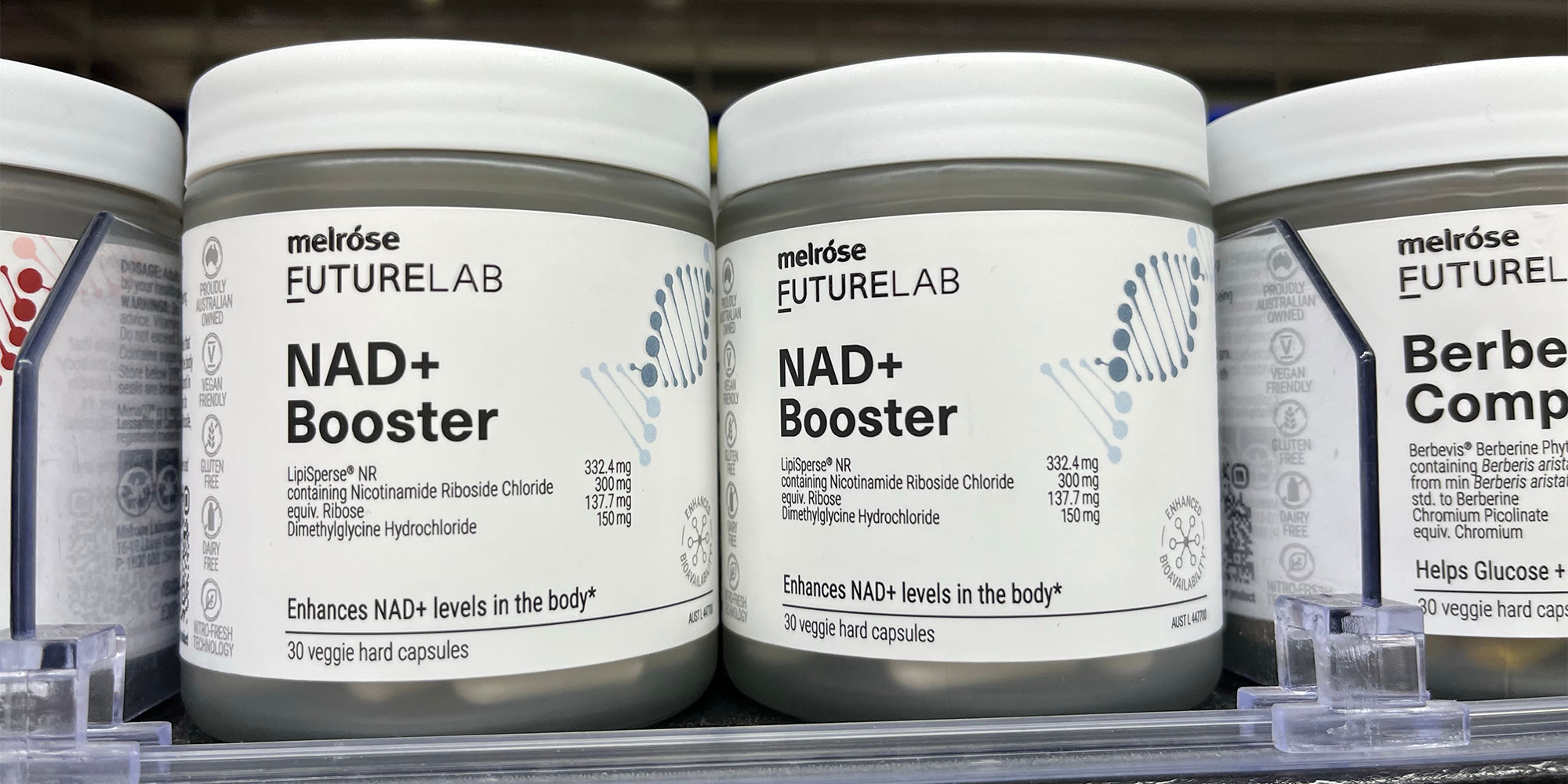
Here are some of the main products available in big retailers, though please note this is for information only and does not mean we recommend these products:
NAD+ supplements are generally considered suitable for most healthy adults, but not if you're pregnant, breastfeeding or have a history of cancer.
As always, if you are taking medication or have a medical condition, or are unsure if they're suitable for you, it's best to discuss this with a health professional first.
Are there better - and cheaper - alternatives?
While the idea of an anti-ageing pill in a bottle might sound great, the reality is that there are cheaper and more proven ways to boost your NAD+ levels, and your healthy lifespan: including the classic pillars of health - exercise, sleep and nutrition.
Diet and B3
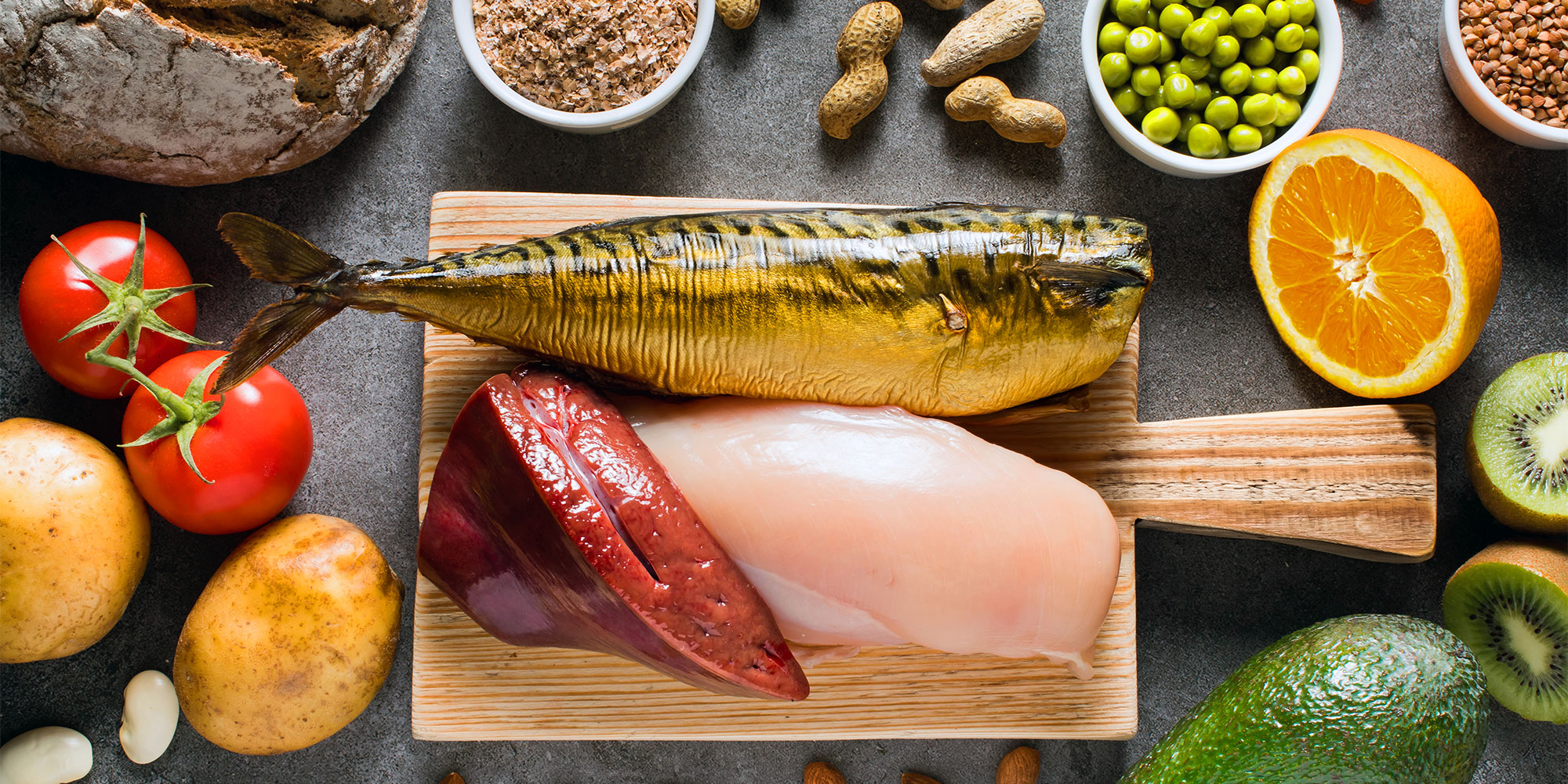
Opt for foods containing Vitamin B3 such as dairy, fish and whole grains. Vitamin B3 is the raw material that your body uses to manufacture NAD+ and you can get it from a balanced diet or a supplement.
You do need to consume it regularly, as you can't store it in your body, but it's generally easy to get enough from your daily diet.
If supplementing, be aware that taking high doses of Vitamin B3 (Niacin) can cause a ‘Niacin Flush’, or a prickly red itchy feeling on the skin (and may be dangerous for your liver if taken long term). NR doesn't cause this flush, which is one of the reasons the companies selling it say its better.
Intermittent fasting
When you don't eat for a set time period (usually 16 hours or more), your body undergoes a metabolic shift. Since there is no new fuel coming in from food, your cells have to become more efficient.
source https://www.which.co.uk/news/article/nad-supplements-can-they-really-slow-down-ageing-akCf14r83Uqc