
Switching to wholemeal, seeded or brown bread is considered a simple way to make your daily bread healthier, but not all brown loaves are as healthy as they seem.
We analysed 60 popular sliced loaves across five key categories - blended, malted, wholegrain rye, seeded, and wholemeal - to discover which products pack a genuine health punch.
Read on to find which loaves are the healthiest, and the ones that aren't as quite as wholesome as they look.
Expert view: choosing the healthiest bread
Shefalee Loth is a public health nutritionist with 20+ years at Which? and the NHS delivering evidence-based food and nutrition insights
'Bread is an important source of fibre in our diets, so opting for wholemeal bread is the best bet. Wholemeal loaves tend to be higher in protein, too. Choosing a seeded wholemeal loaf will further boost the fibre and protein content. A loaf with higher fibre and protein content will slow digestion and help to keep you feeling fuller for longer.
'Wholemeal flour is also naturally richer in micronutrients, including B-vitamins, magnesium, zinc and iron. In the UK, white flour has been fortified with calcium, iron, niacin and thiamine since the 1950s. By the end of this year, all non-wholemeal flour will also be fortified with folic acid by law.'
- find out who might benefit from a multivitamin, and the best all-rounders to buyHealthiest breads
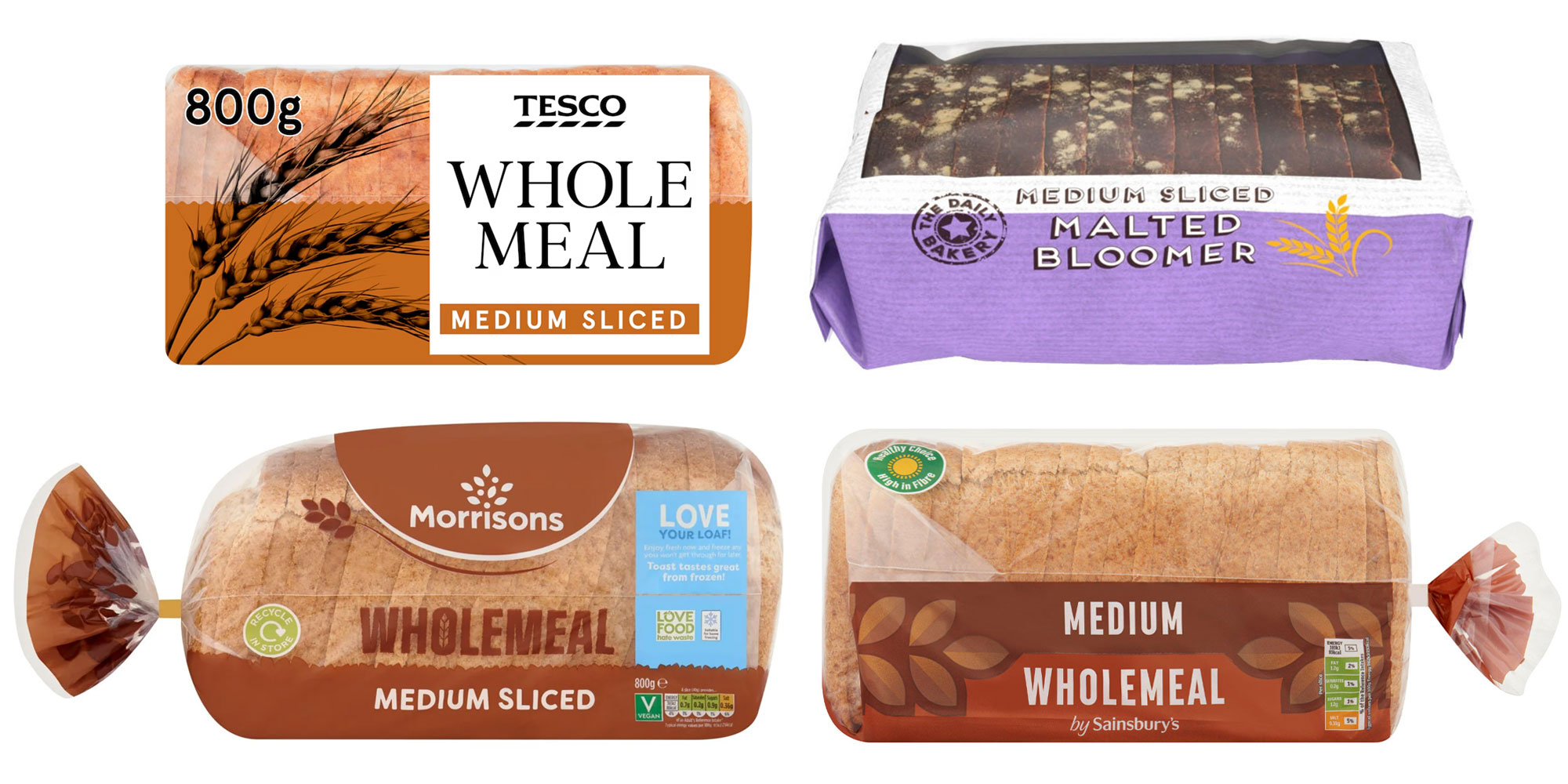
The most a loaf of bread can score out of 100 is 80 - the highest achievable for processed grain products under the NPM. Only foods such as plain greens or legumes can achieve more than this.
Just 13 sliced loaves we looked at achieved a score of 80, thanks to high fibre and protein levels alongside low saturated fat, salt, and sugar. These are listed below.
While 11 of the top 13 loaves are wholemeal, two non-wholemeal options also scored highly. These are Iceland’s The Daily Bakery Malted Bloomer (low in salt and sugar) and Hovis Best of Both - so there are options if you don't like a truly brown loaf.
Loaves are listed in alphabetical order because they all achieved the same NPM score of 80.
Table note:The blended standout: Hovis Best of Both
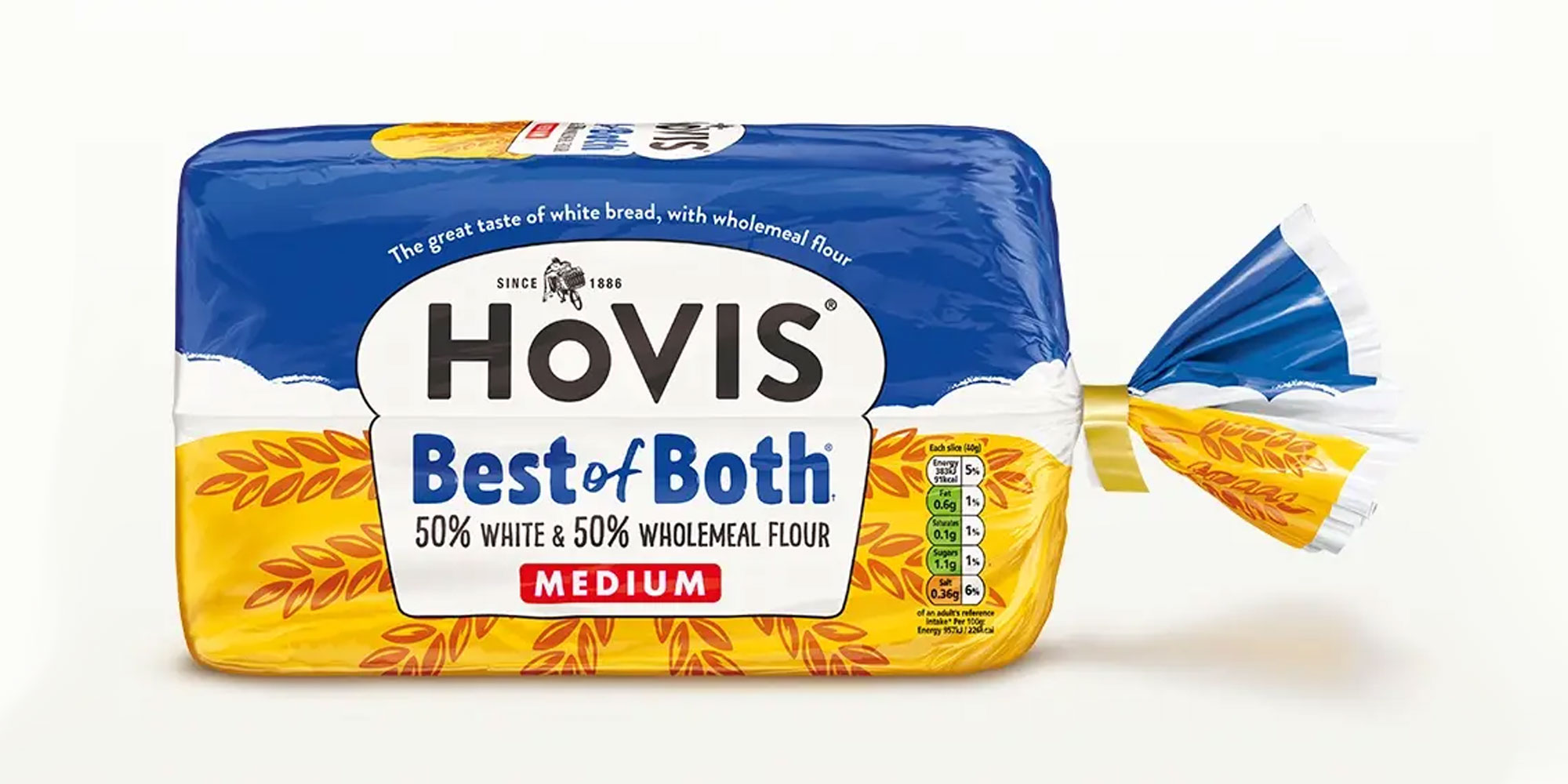
The only representative from the ‘blended’ category in the top tier, this loaf benefits from 32% fibre-rich wholemeal flour and is low in salt.
Together, these help it achieve the high protein and fibre levels required to hit a good NPM score of 80, making it an excellent bridge for those who prefer the taste of white bread but want some of the benefits of brown.
Which? nutritionist Shefalee Loth says: ‘This is good news for those not keen on wholemeal bread. This Best of Both loaf contains a mix of wholemeal and white flours - this means it’s not quite as high in fibre as wholemeal loaves but is still a good source’.
Bertinet, Celtic Bakers and Jason's vs the supermarketsWholemeal, seeded, malted, blended or brick: which is healthiest?
These loaves may look similar, but their nutritional profiles vary. Here’s how.
1. Wholemeal
Also known as:Wholemeal bread contains the whole grain, providing a good source of fibre, which is important for digestive health and blood sugar control. The first ingredient on the ingredients list should be ‘wholemeal flour’ - if it says ‘wheat flour’ without the word ‘whole’, it’s likely to be refined white flour. Average cost: 14p per 100g.
2. Seeded
Also known as:'Bits’ such as sunflower, pumpkin and linseed give a textured, nutty bite, as well as significantly raising protein content per slice to help you feel fuller for longer. They also provide omega-6 (and, in some cases, omega-3) fatty acids, which may help to support brain health. If labelled multigrain, a product must contain at least three types of grain. Average cost: 24p per 100g.
3. Malted
Also known as:They look dark and rustic, but the colour often comes from malt extract or caramelised sugar, not the grain, so be warned many are white loaves in disguise. In fact, only one loaf out of nine malted ones we looked at used a wholemeal base - Hovis Granary Wholemeal (standard Hovis Granary is made from white flour). Average cost: 25p per 100g.
4. Blended
Also known as:This category is generally lower in fibre than the other categories, but still higher than in white bread. A good compromise between taste and health, but often a pricier choice. Blended loaves may be fortified with even more vitamin D and calcium. Average cost = 29p per 100g.
5. Wholegrain rye
Also known as:These are known as ‘brick breads’ among bakers because they tend to be dense and rectangular - they’re essentially a compressed block of grain and seeds. If you spot a lighter, fluffier rye bread, it’s likely to contain wheat flour. True rye has quite a distinctive taste and texture that won't be for everyone's , but it can be a good choice for some due to its lower gluten content and high fibre content. Average cost = 66p per 100g.
Middle of the table breads
32 of the sliced loaves we reviewed achieved an NPM score of 75-80. This means they still have an excellent nutritional balance, even though they narrowly missed being among the top scorers.
Their penalties stemmed from slightly lower fibre content, a higher calorie count, and higher saturated fat. On average, the top scorers contained 0.49g of saturated fat per 100g, compared to 0.71g in the middle table cohort.
To make it easier for you to find your usual loaf, this table is arranged in alphabetical order. Price, fibre, protein, salt and sugar values are per 100g.
Table note: - kickstart your day with these easy high-fibre breakfast ideas to boost energy, improve gut health and support concentrationLower scoring breads
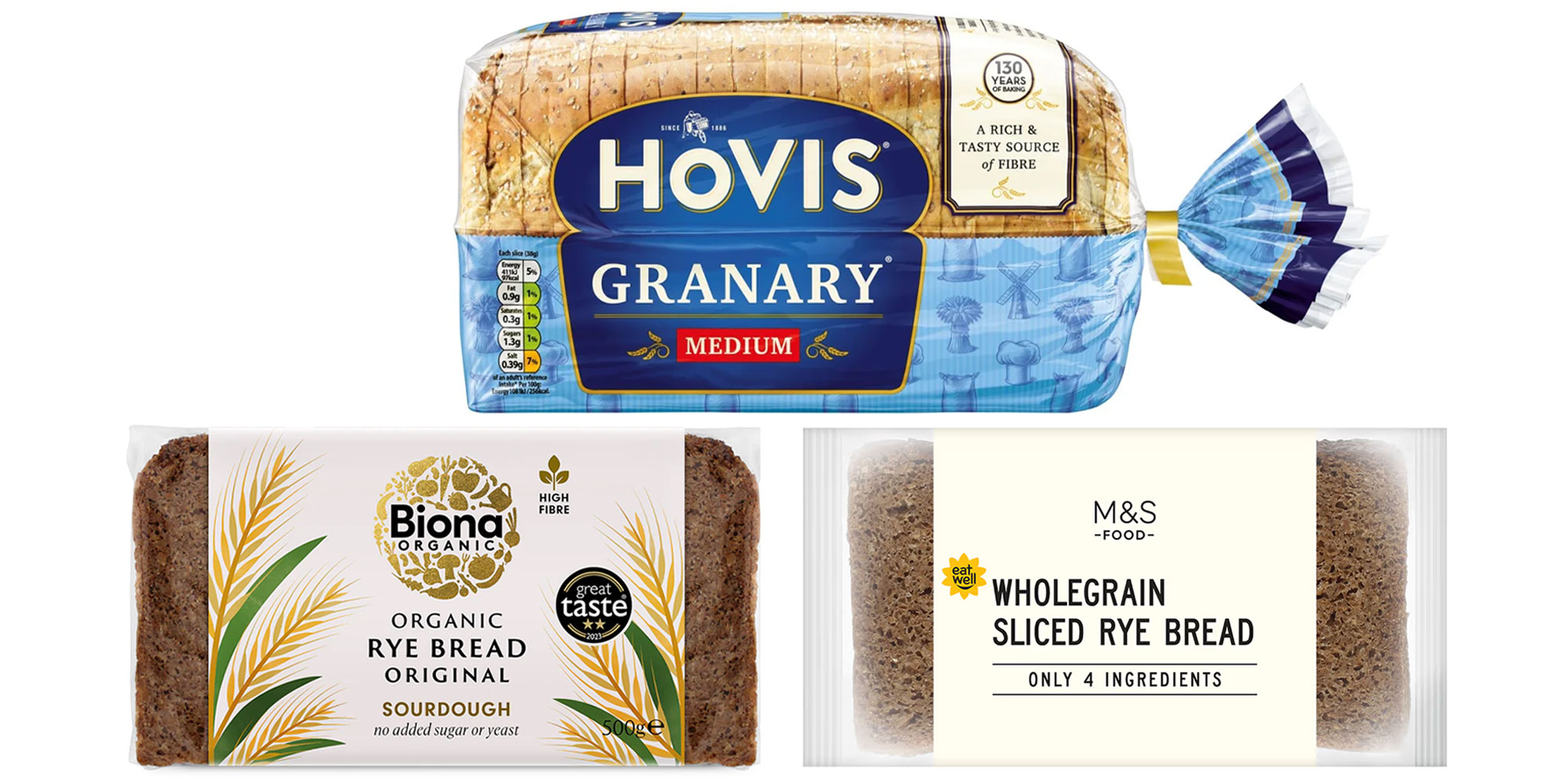
While all the breads we reviewed are good nutritional choices overall, these three were the lowest scorers of the bunch. The difference often came down to small margins, such as a slightly higher salt content or a lower fibre count.
Surprisingly, a couple of rye loaves were among the lowest-scoring options, usually due to a more calorie-dense structure.
Biona Organic original rye bread (62p per 100g) - 70
This is the second saltiest loaf of the lot (1.13g per 100g), as well as having the lowest protein of all the breads. The loaf’s density means it’s also more calorie-dense than higher-scoring loaves. With an NPM score of 70 overall, it's still a nutritious choice though.
Hovis Granary (26p per 100g) - 72
With an NPM of 72, this is still a healthy bread, but it sits 8 points behind the top-scoring options. The main reason? It contains roughly half the fibre of the best wholemeal loaves (3.7g rather than 7g on average) and is one of the saltiest breads of the bunch.
M&S Only 4 Ingredients wholegrain rye (36p per 100g) - 72
Again, the salt content (1.2g) brings this bread down the rankings, and in a system that rewards protein levels, it doesn’t contain ingredients such as seeds that help it maximise this. However, 72 points is still a healthy choice.
Table is arranged with the three lowest scorers at the top, and then the rest in alphabetical order (as NPM scores are identical).
Table note:undefinedHow to tell if your brown loaf is healthy or not
Loaves that look brown are sometimes just white loaves in disguise. They may be brown because of ingredients such as caramel or malt, rather than wholemeal flour.
Here’s what to look out for on packaging to avoid a white loaf in false-brown clothing:
Check the first ingredient.Look for ‘wholemeal’. The ‘squish’ test. Check fibre levels. - from fibre to probiotics, we asked a professor for tips about daily habits for better bowelsIs an NPM of 80 significantly healthier than 70?
The NPM acts as a nutritional tug-of-war that balances ‘negative’ points (for calories, salt, sugar and saturated fat) against ‘positive’ points (for fibre, protein, and fruit, vegetable or nut content) in order to come up with a single score.
For the breads we analysed, a score of 70 is well above the NPM ‘fail’ of 62 or lower (which experts have defined as ‘unhealthy’), making it a healthy choice - even though it is 10 points lower than the scorers of 80 points.
So do those 10 points matter? A loaf at 70 points is nutritionally balanced, but one at 80 is proof of a formulation where proportions have been optimised to create products that are not too salty, not too sugary, but packed with nutrients.
source https://www.which.co.uk/news/article/top-healthiest-brown-breads-aQSeO7M8tWRv