
Everywhere you look, there is a new lotion, potion, capsule or gadget claiming to cure your brain fog, switch off your hot flushes and restore your sanity.
But as an expert who looks closely at the science behind the straplines, I know that a lot of what's out there is simply clever marketing accompanied by a hefty markup.
So, if you are looking to manage your symptoms without draining your bank account, these are the things I would bypass, and where your money and time is better spent.
1. Menopause supplements that don't live up to the price tag
If you turn over that menopause supplement pack and look closely at the ingredients list, you'll find that some are essentially just a basic multivitamin with a premium price tag slapped on the front.
This is the menopause edition of the 'pink tax’— like razors, skin creams and more before it, suddenly, because a product has the word ‘menopause’ on it, it costs twice as much as its everyday counterpart.
Save your money. If you want a multivitamin, buy a high-quality, standard one for a fraction of the cost. Alternatively, consider which ingredients you really need more of, and buy accordingly.
- see which budget bottles we recommend for a good all-rounder2. Expensive herbal blends
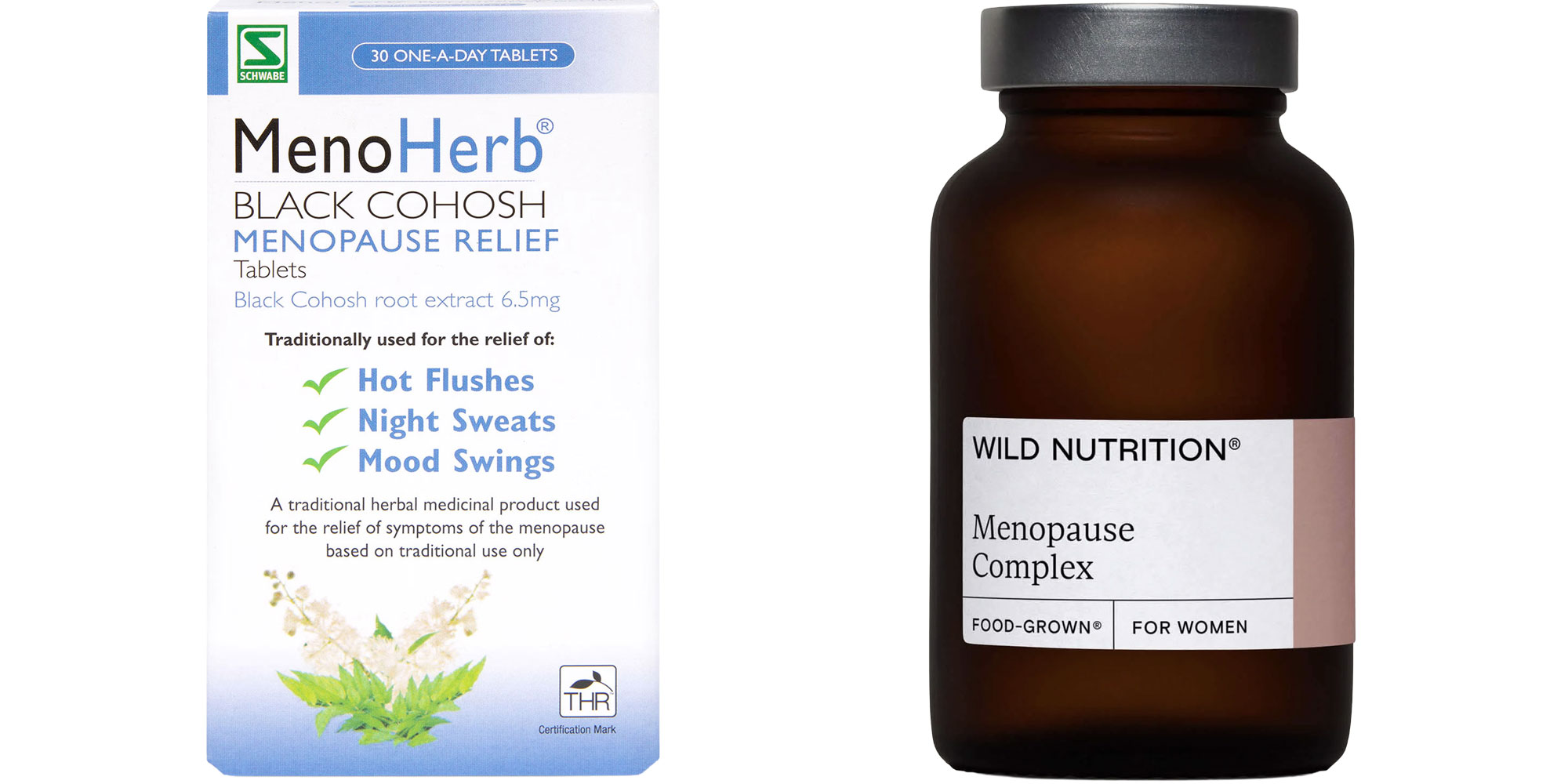
There are plenty of expensive herbal supplement blends promising symptom relief, but few I'd actually recommend.
Some individual botanical ingredients do have modest evidence suggesting that they might help with hot flushes and night sweats, but when I reviewed supplements I found the amount you actually get in a menopause supplement blend is often too low to do anything useful.
You should also never make the mistake of assuming that ‘natural’ means harmless. Herbal supplements can have side effects, and may interact with prescription medications, so always buy from a trusted brand and check with a healthcare professional first.
3. Menopause branded skincare
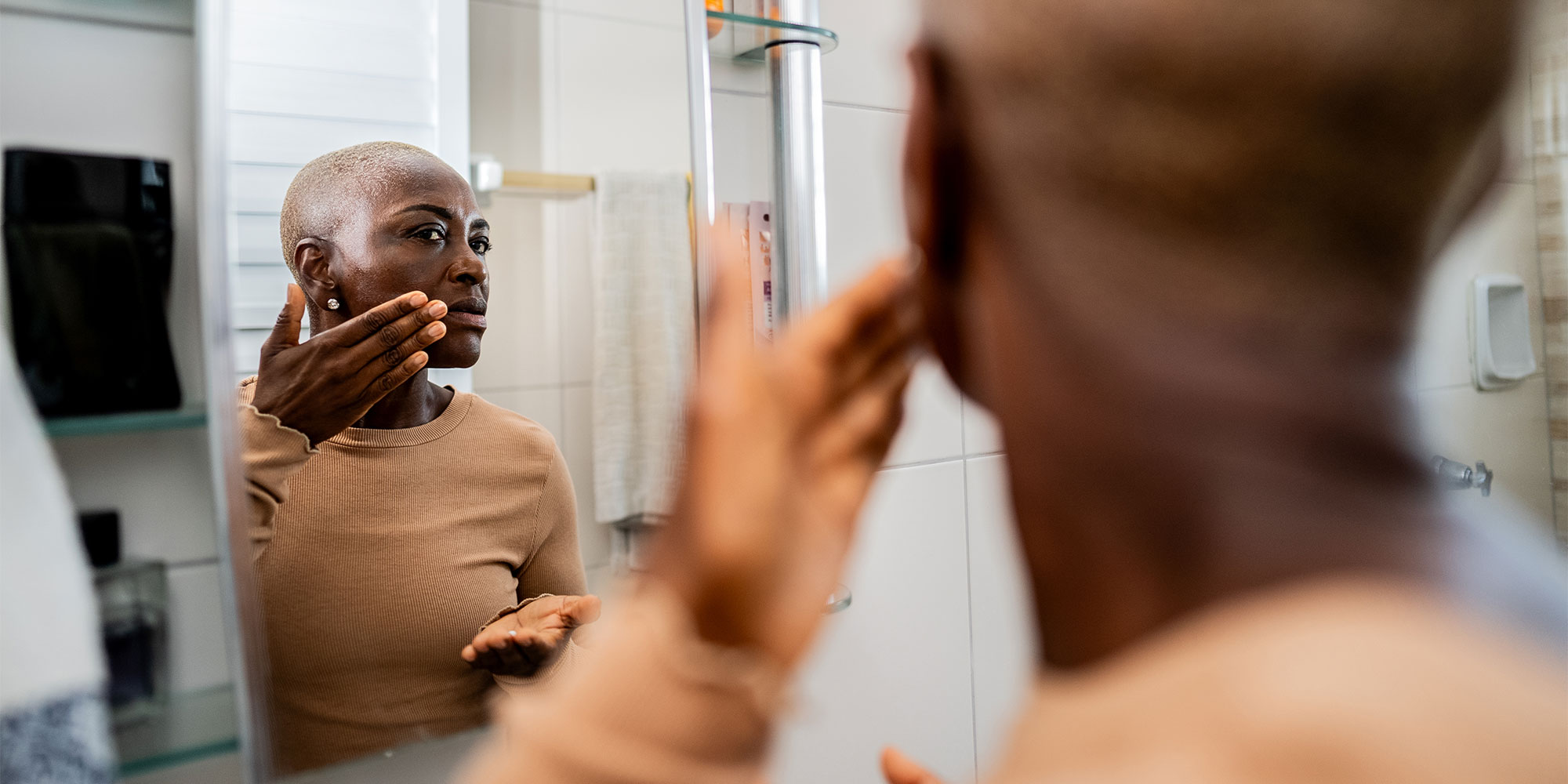
Don't fall for moisturisers or serums just because they have ‘menopause’ on the bottle. Your skin does change as oestrogen drops - it can become more dry and lose elasticity - but the ingredients that help are the same ones used in standard skincare. Always check for a non-targeted similar product before you buy and compare the prices and key ingredients.
Rather than paying a premium for a marketing buzzword or a rebranded product with a hefty mark-up, look for products containing beneficial ingredients targeting your concerns such as niacinamide, squalane, hyaluronic acid, and peptides.
4. Hi-tech menopause gadgets
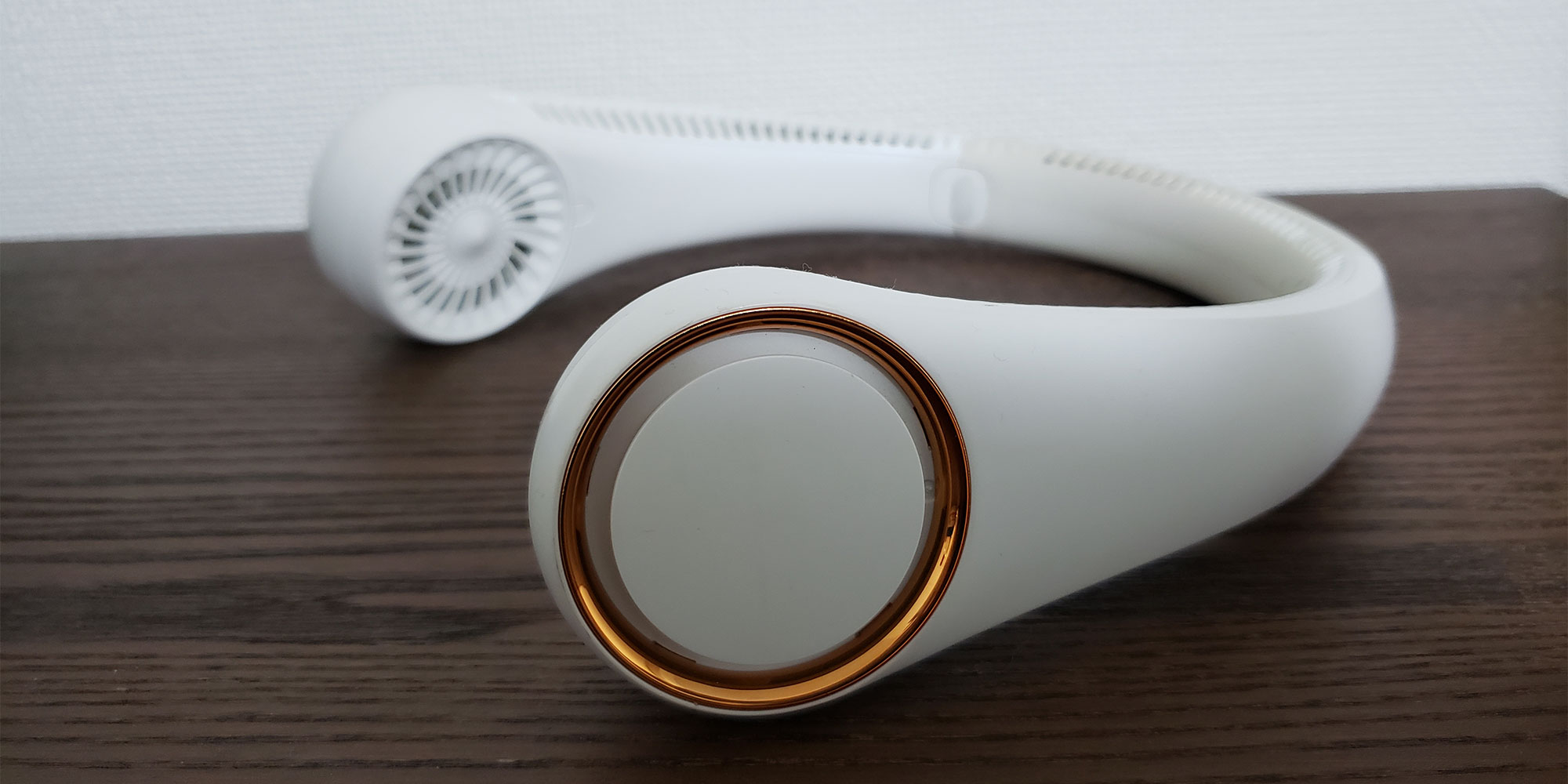
While some high-tech cooling wearables, such as the bracelets, do have some clinical studies showing they can temporarily take the edge off a flush by changing your body's perceived temperature, it's worth pausing before splashing the cash on pricey tech solutions.
Make sure you've got the medical and dietary fundamentals covered - these can go a long way to help managing your symptoms. And consider cheaper options that don't have the menopause mark-up, such as a basic handheld fan.
What I would consider taking instead for menopause
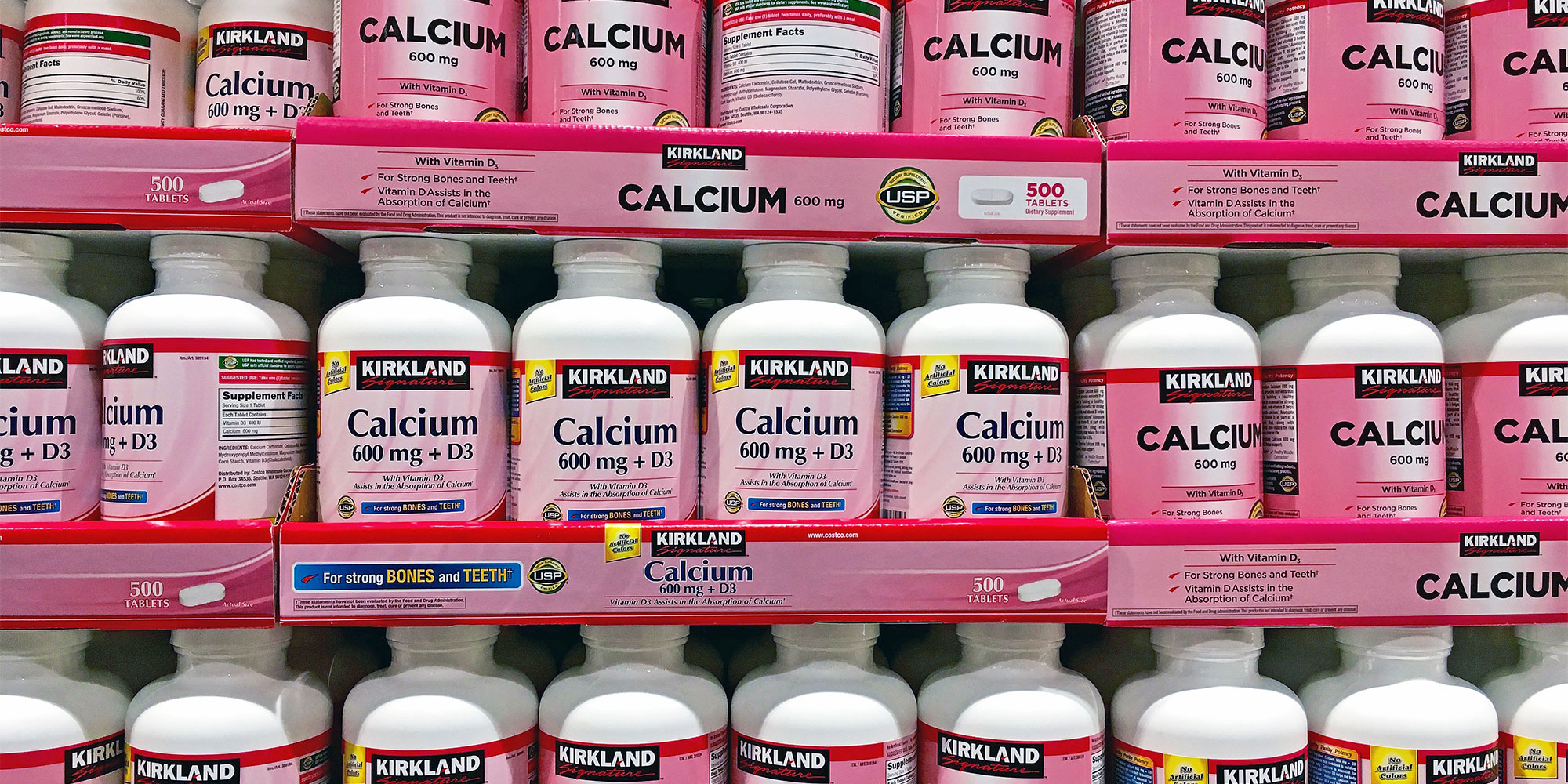
A basic multivitamin is a good cheaper alternative, but many of them can't match the amount required for some of the targeted minerals you really do need during this period - in particular calcium, which is too bulky to fit into a standard one-a-day pill in the doses required.
These are the extras that are actually worth your attention:
Calcium and Vitamin D: Iron (but only in perimenopause)Magnesium and zinc:B Vitamins:See our independent expert reviews of the , , , and for our top picks.Dietary changes that can help menopause symptoms
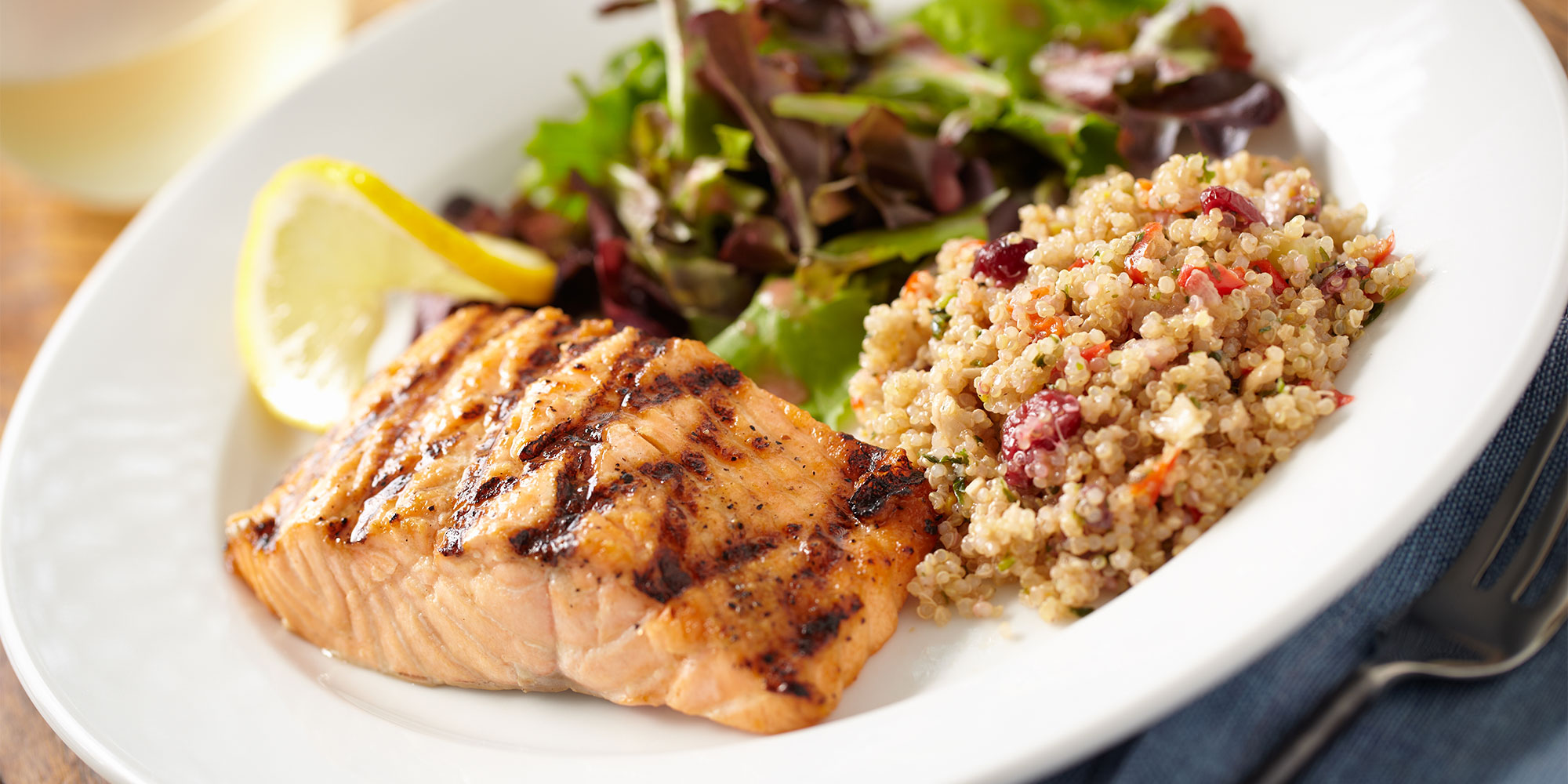
While turning to supplements is an understandable choice - we're all keen for extra support where we can get it - a food first approach is best where possible, and can save you money. Making tweaks to your diet can be really helpful for supporting your health during perimenopause, menopause and beyond as your body and its needs change.
As oestrogen levels decline, our bodies naturally lose muscle mass and bone density. Adjusting your diet can help to offset this:
Prioritise proteinOfficial NHS guidance generally recommends increasing daily protein intake slightly after menopause to around 1.0 to 1.2 grams per kilogram of body weight, which translates to roughly 60g to 85g of protein per day for most women, depending on activity level.
Make sure you get enough fibre:Don't forget to talk to your doctor about menopause support options and treatments

If your symptoms are impacting your quality of life, talk to your GP about the options available to you. It's worth a conversation about Hormone Replacement Therapy (HRT).
HRT isn't the right choice for everyone, but don't let historical rumours or outdated scare stories put you off at least exploring it. It can be extremely helpful for symptom management. And if you start menopause earlier than average (before 45), it can have an important wider protective effect too.
source https://www.which.co.uk/news/article/the-menopause-marketing-tricks-not-to-fall-for-ak7i94L56XLC