
From your little one's ears popping during take-off, to not having the right documentation for them to travel, we give you the know-how to cope if problems occur and suggest ways to make travelling as smooth as possible.
1. Your baby falling ill before your flight

If your baby develops a cough, cold, rash or fever before your holiday there could be a chance you won't be able to fly.
In some cases, Calpol or other infant paracetamol pain relief might be enough to settle symptoms but speak to your pharmacist or doctor about whether flying will potentially make your baby's illness worse or make other passengers sick.
Airlines can deny boarding of a passenger who looks unwell (even a baby), especially if they think they might have something contagious like chicken pox, so seek their advice too.
Fever -Chicken pox - Ear infection - Rash -? Our guide is packed with pictures and descriptions to help you identify and treat common childhood rashes2. Forgetting vital documents
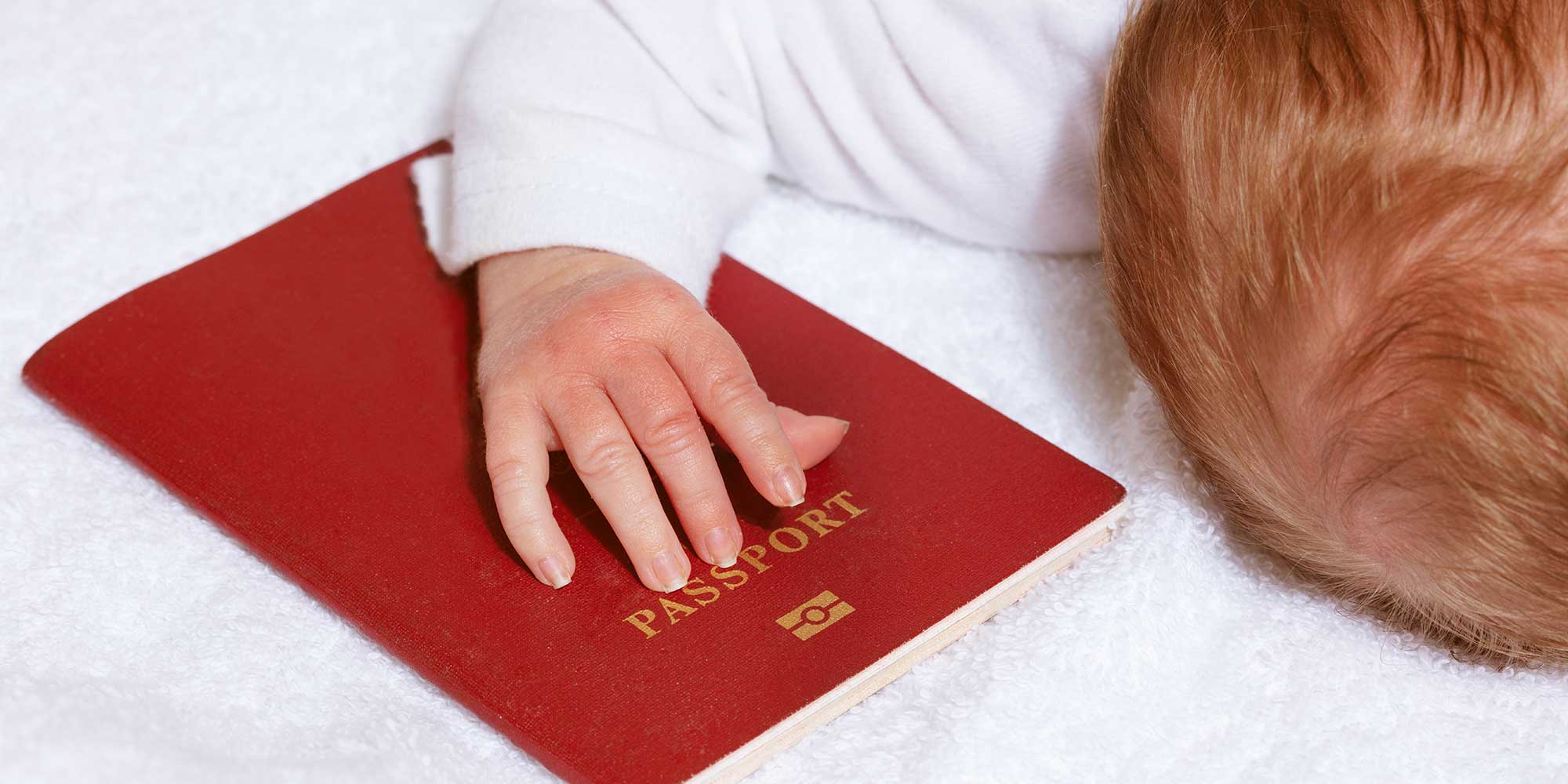
Regardless of age, everyone needs certain official documentation in order to travel, and that includes young babies. We've listed the must-have documents for flying:
Passport.Global Health Insurance Card (GHIC). Travel insurance.Evidence of their relationship to you.3. Travelling with an unapproved car seat
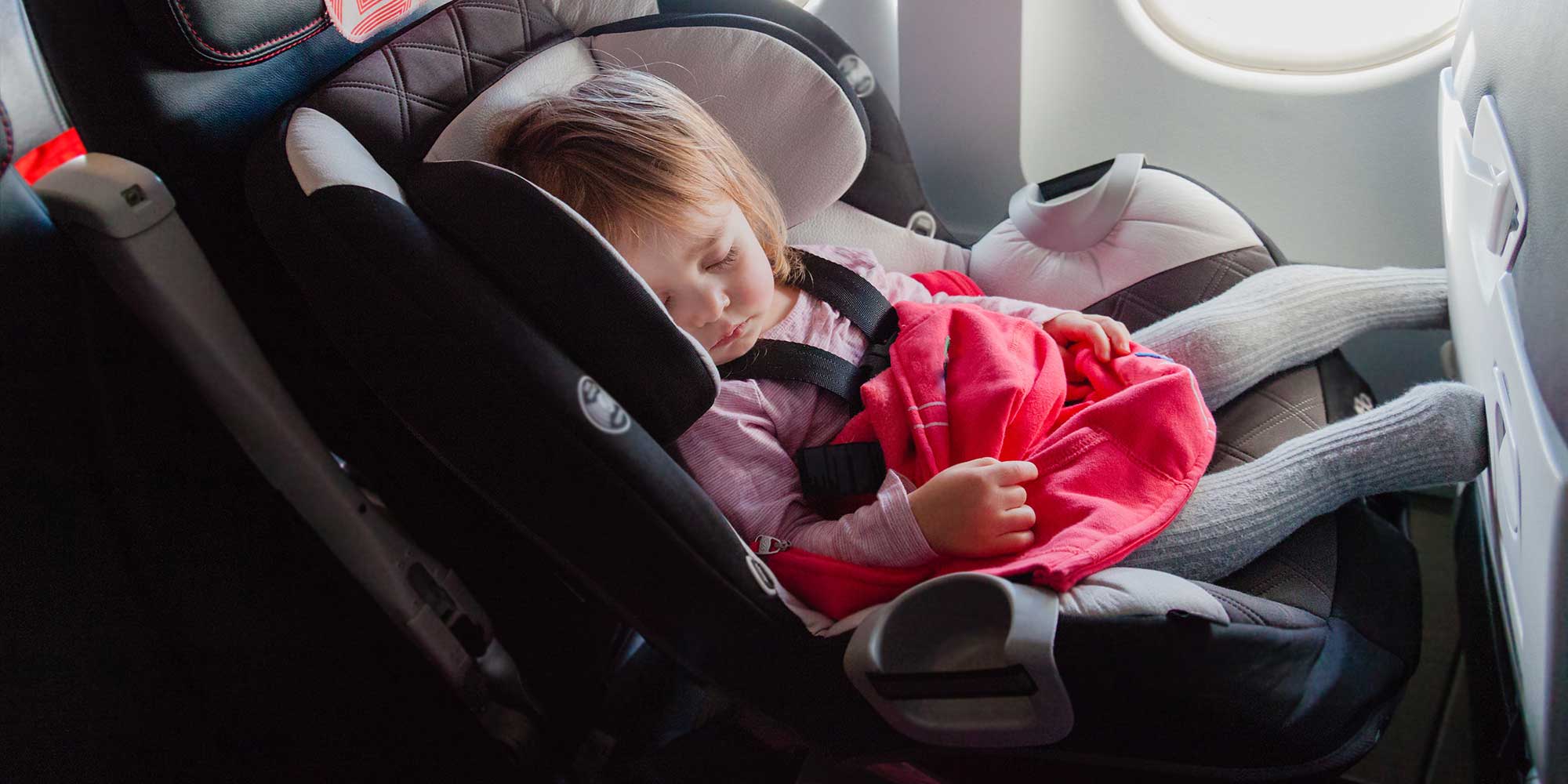
Your child's car seat might be legal in the UK, but that doesn't necessarily mean the same applies at your destination.
Check child car seat rules and regulations in the country or state you're visiting, including whether you're required to use a car seat in taxis.
If you're going to use your car seat on board the flight you'll generally have to pay for an additional seat, or you can check it into the hold as part of your free allowance.
Travelling with a pushchair? Check these before you book4. Being refused important items
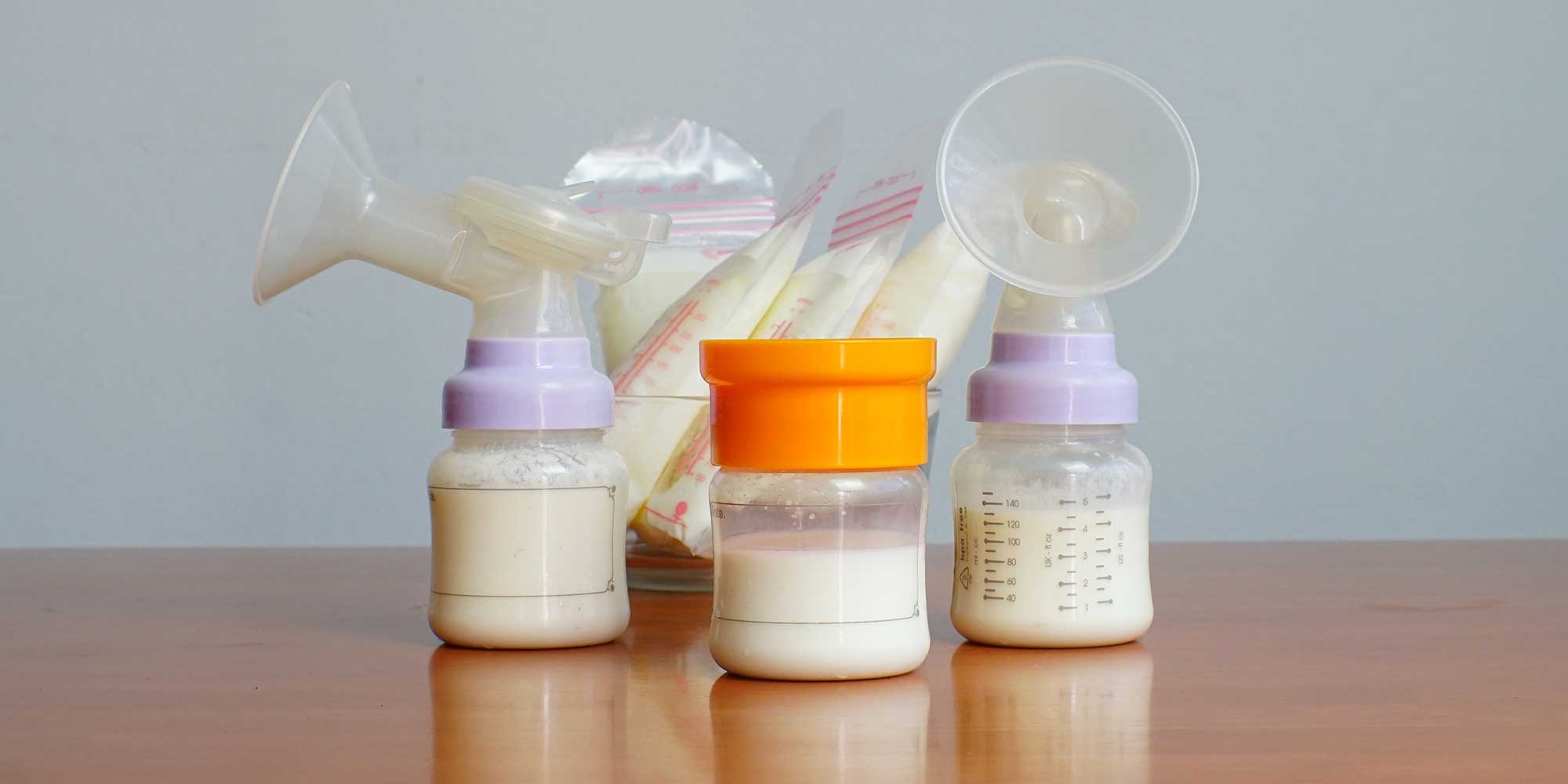
It's worth knowing the airline's restrictions on important items, such as formula and medicines, so they don't end up being refused at the gate.
Pushchairs. Baby formula and baby food. Bottles. Breast milk. Essential medicines.5. Your flight being delayed
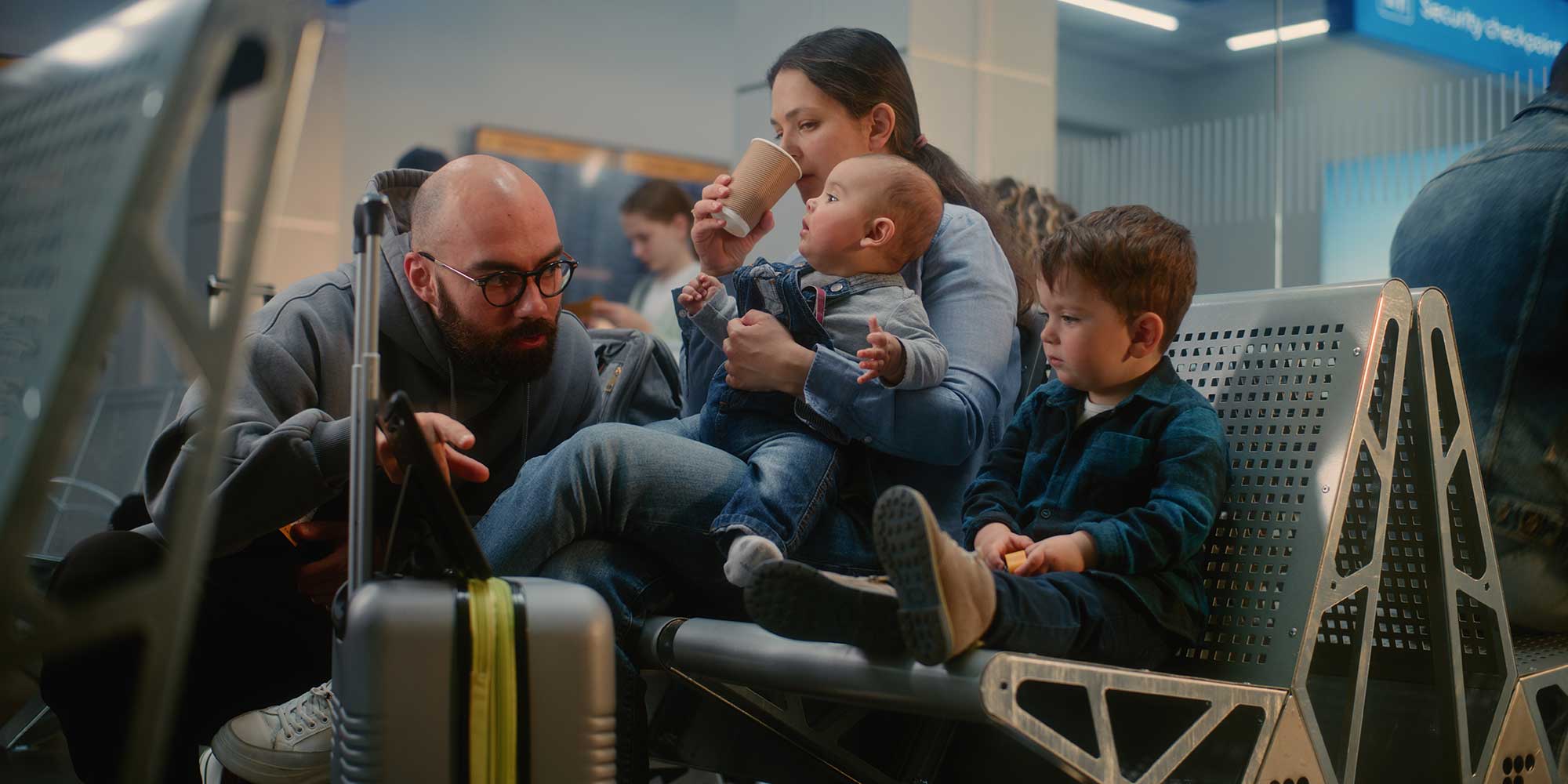
Delays can be a nightmare at any time, but especially when you're travelling with an infant. So you're prepared just in case, we recommend that you:
Pack extra essentials in your hand luggage. Check your travel insurance for added airline extras. Ask about facilities for parents and youngsters.Claim flight compensation for the baby, too.6. Struggling on and off the plane with bags and a baby
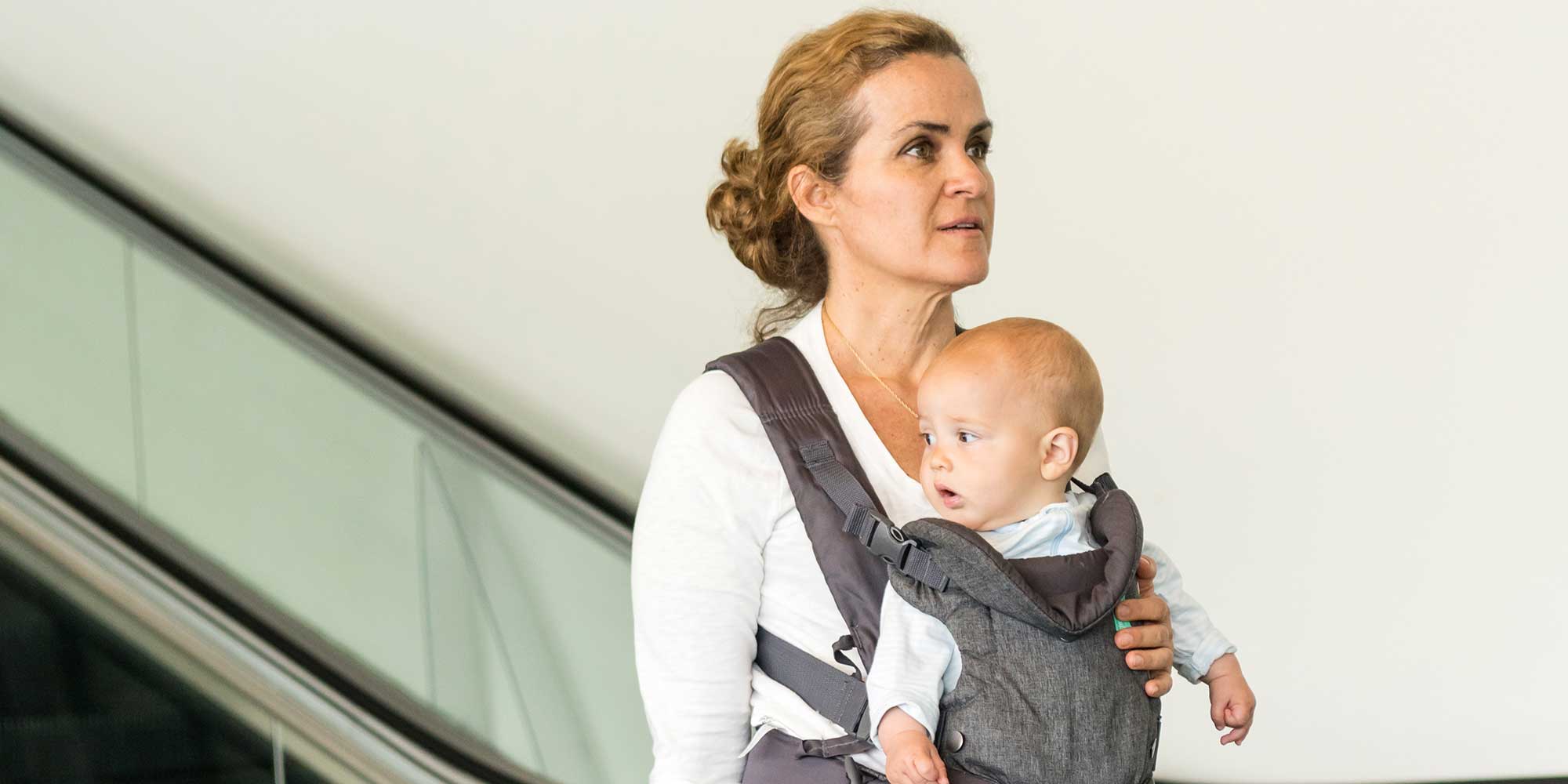
Negotiating narrow plane gangways while juggling hand luggage packed to the brim with baby essentials, your own carry-on, a car seat and - of course - your baby can be daunting. Here's our top tips to make it simpler:
Use a baby sling or carrier. Keep important family documentation in one folder. Ask for help. Put flight non-essentials in the hold.7. Ears popping on take off and landing
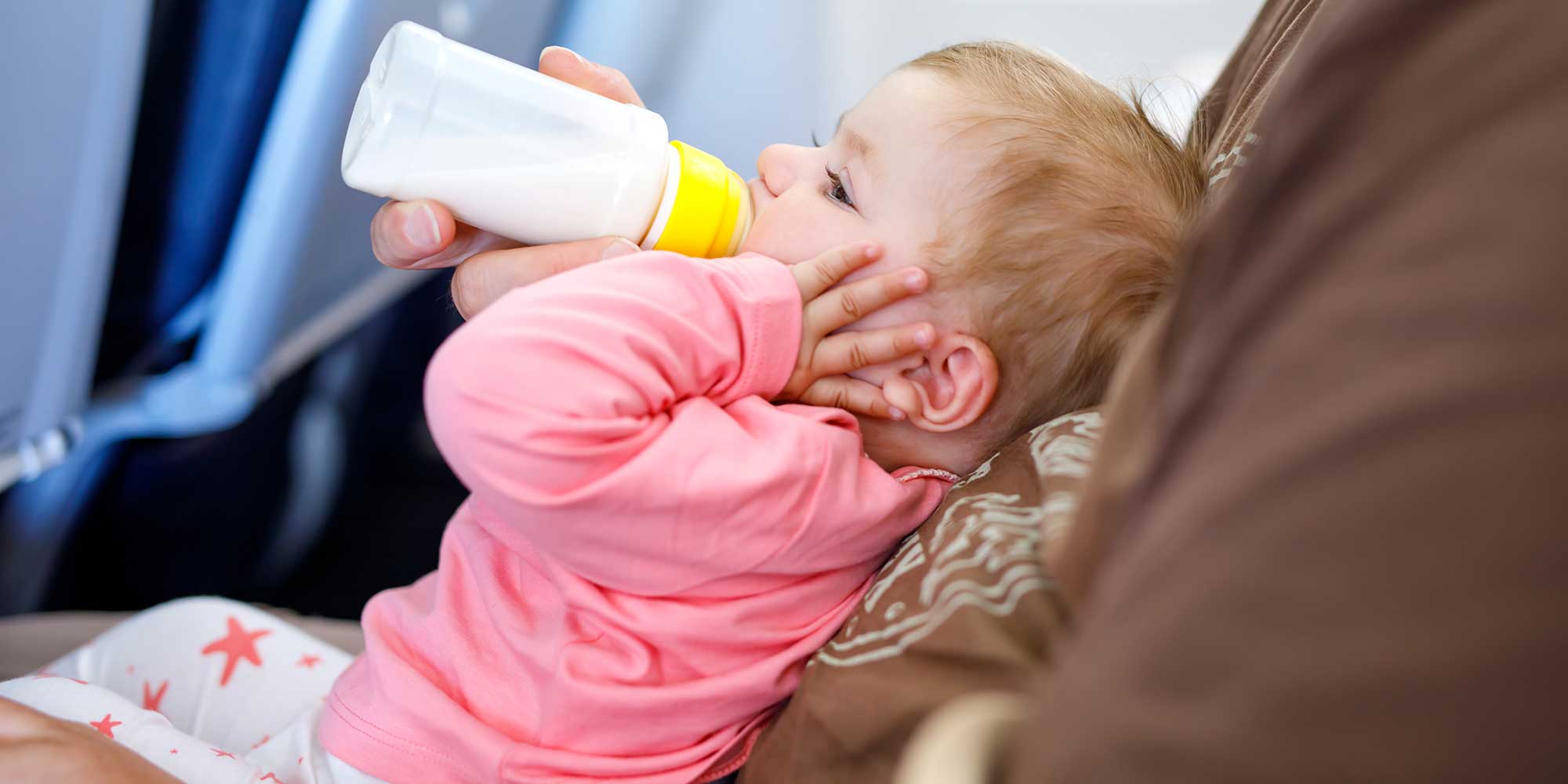
The change in pressure during take-off and landing can be a real challenge because the Eustachian tubes, which are responsible for air pressure regulation in the ears, are narrower in babies.
Although babies aren't able to intentionally pop their ears like older children and adults can, they will naturally pop if they're breastfeeding, or sucking on a bottle or dummy.
While it's not always possible to control when your baby is awake or asleep, it's worth bearing in mind that it may be helpful to have them drinking and swallowing during take off and landing - if you can time it right.
8. Your baby feeling unwell during the flight
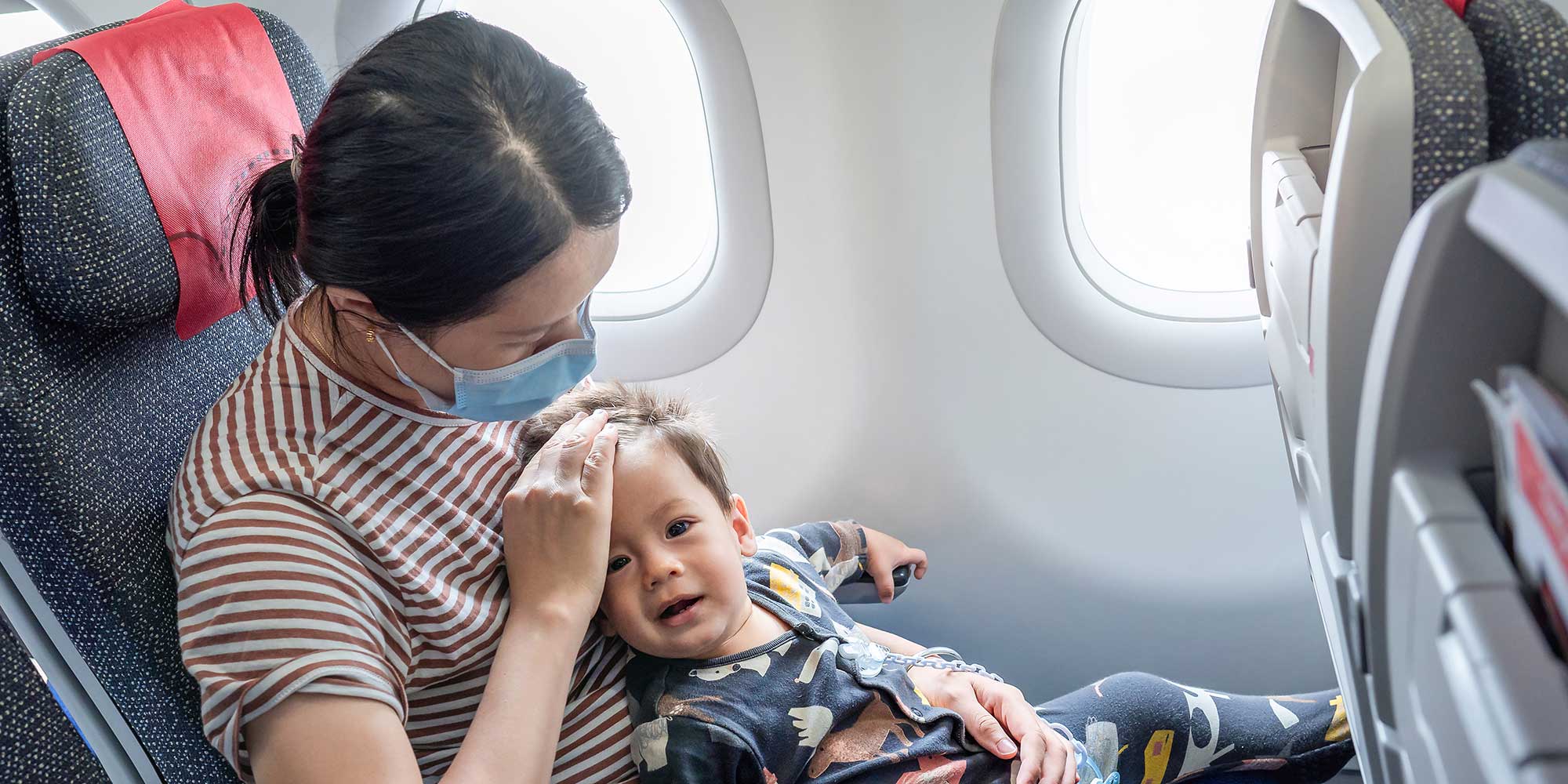
The thought of your baby becoming unwell mid-flight may fill you with dread, but research suggests it's not that likely and most tend to be common illnesses.
While airlines generally carry adult forms of medication, such as paracetamol tablets, these aren't suitable for babies so experts recommend taking basic children's medication in your hand luggage, including liquid paracetamol and rehydration salts in case of vomiting and diarrhoea.
Plane travel is dehydrating so keep your little one well-hydrated with milk, water or diluted juice. Carrying a digital thermometer may also give you peace of mind so you can monitor your child's temperature during the flight if they do appear to becoming unwell.
what you need to know to buy a no-fuss digital thermometer for your baby or child9. Boredom and tantrums
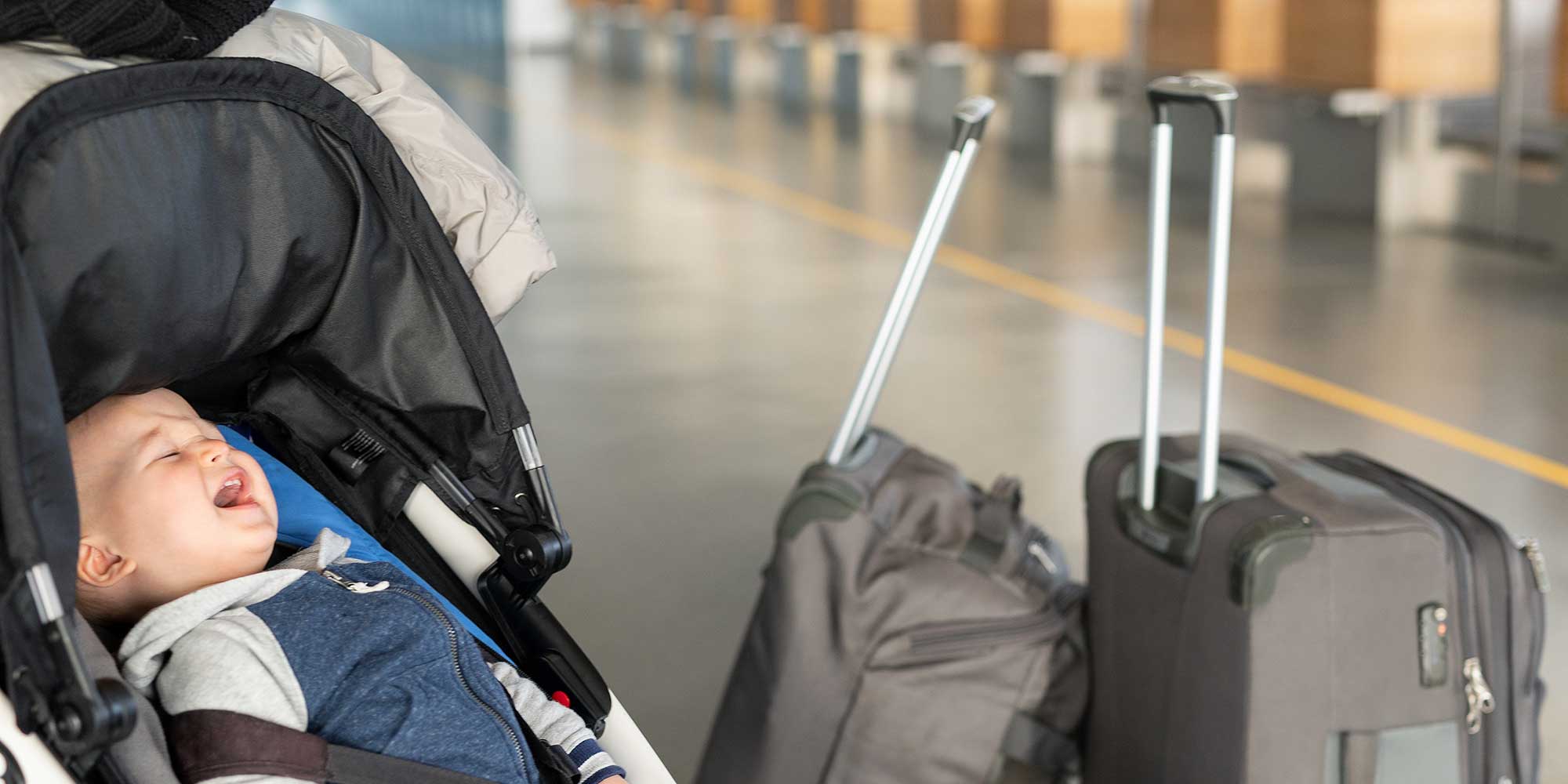
Tantrums are especially common on flights as space is restricted and there's little opportunity to provide a full suite of distractions, but the following may help:
Choose night-time flights. Pick a window seat. Don't board too early. Bring things to entertain them with.*except Norway, Iceland and Liechtensteinsource https://www.which.co.uk/news/article/things-that-can-go-wrong-when-flying-with-a-baby-and-how-to-avoid-them-anD9Q6C0UL7w