
But many pricey options rely on basic nutrients you can easily get from your diet to make their immune health claims, or contain ingredients that lack compelling evidence for their effectiveness.
We've reviewed a range of popular immunity supplements to see if any are really worth buying, including from Berocca, Sambucol, Seven Seas and more.
Find out how different immunity supplements compare below, the nutrients that matter for immune health, and the habits that can give your immune system a helping hand without breaking the bank.
Immunity supplements: claims vs reality
While there are certain nutrients that are essential for a healthy immune system, most healthy adults who eat a varied and balanced diet won't need a targeted supplement, as you should be able to get all the nutrients you need from your food.
Beyond this, the current evidence does not show that taking extra or high doses of certain nutrients gives you any additional benefit.
Many immunity supplements contain vitamin C and zinc as these have approved health claims around supporting your immune system. But these are pretty easy to get enough of from your diet anyway.
We've reviewed a range of popular immune supplements - here's our verdict on whether they're worth it:
H&B Expert High Strength Triple Action Immune Support (£20.69 for 60, 69p per dose)
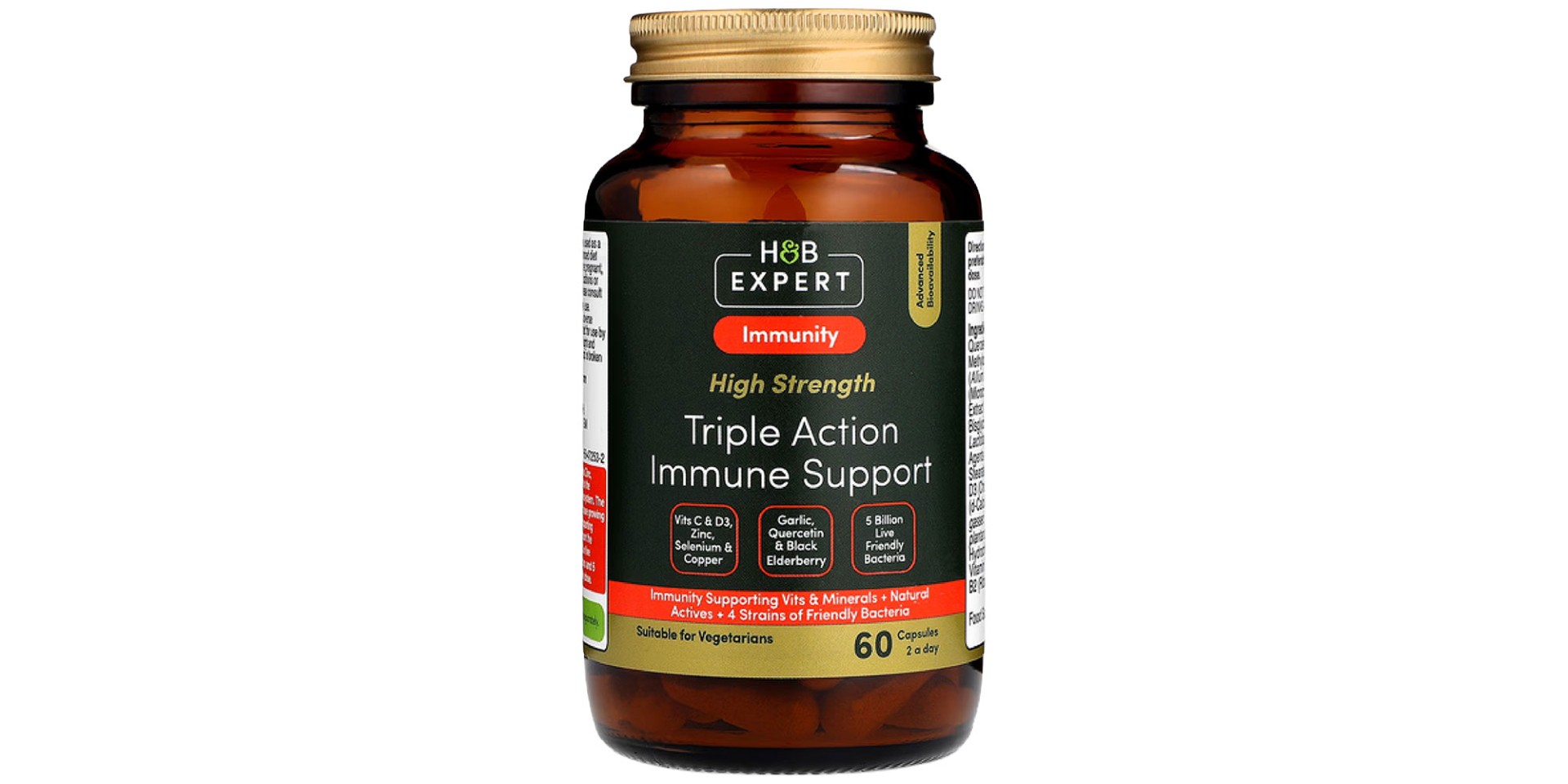 Our verdict
It also contains garlic extract, black elderberry extract and a polyphenol called quercetin. None of these botanicals have any allowed health claims, meaning any health claims on this supplement are related to other more basic nutrients it contains.
This is the only immunity supplement we reviewed that also contains live 'friendly' bacteria. The link between gut health and immune health is well established, and the four strains of bacteria in this supplement have been linked to immunity. However, it's hard to say for sure that this supplement will confer an immune health benefit for you because of these bacteria.
This is still a new area of research, and more studies are needed before we can reach these conclusions. As such, there are no permitted health claims for live bacteria. So, while it could be a good option, bear in mind the only solid claims are for the essential vitamins, not the extras.
Available fromBerocca Immuno Gummies (£14.70 for 60, 49p per dose)
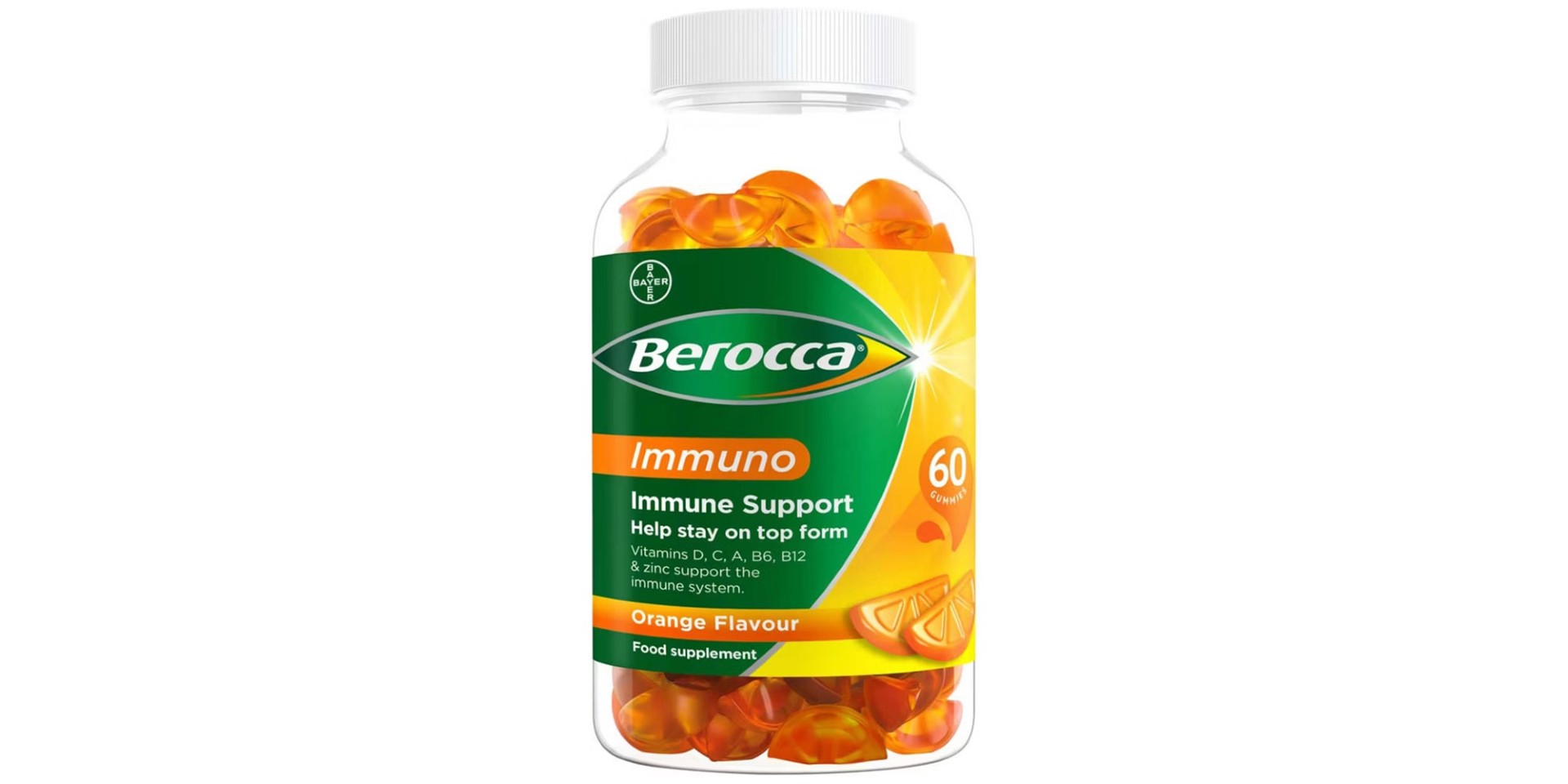 Our verdict Available from
Boots Immunity Gummies (£10 for 60, 33p per dose)
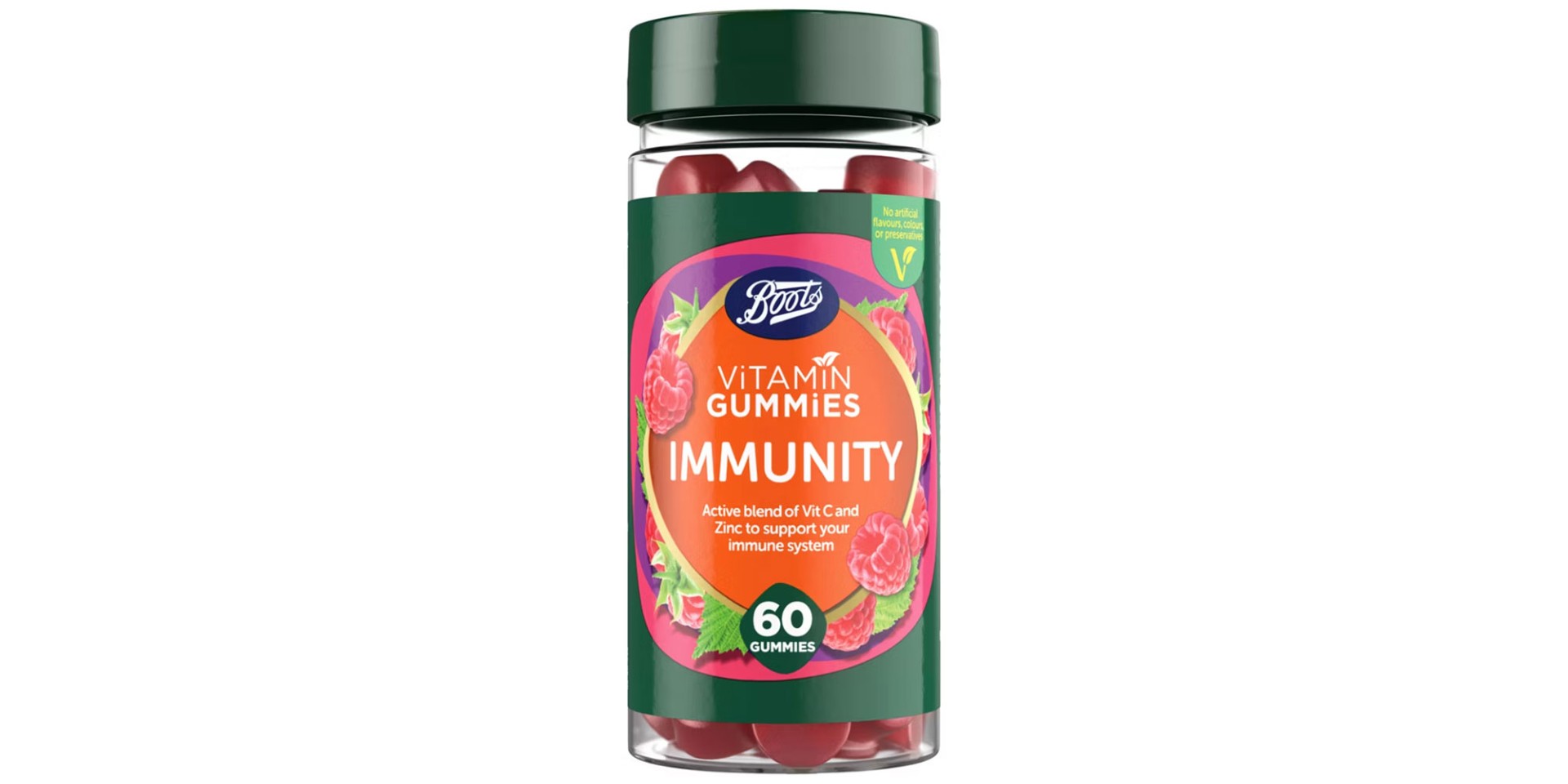 Our verdict
As with the Berocca example, the main nutrients are ones you can easily get from your diet, but this is an expensive, sugar-heavy way to get them. If you are worried about your intake of certain vitamins and minerals, you'd be better off choosing a general multivitamin.
Available fromVitabiotics Immunace Original (£8.15 for 30, 27p per dose)
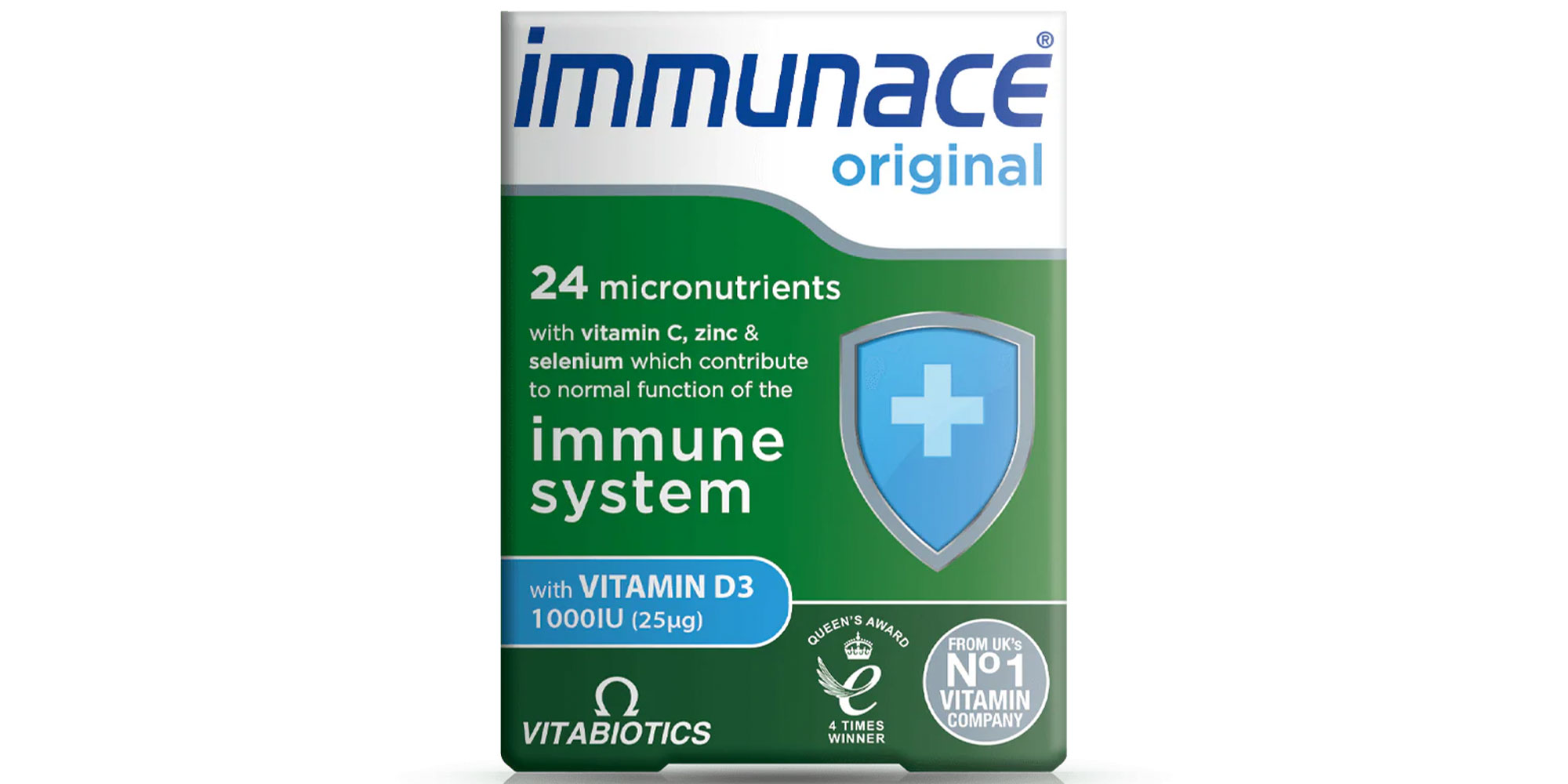 Our verdict
It also contains citrus bioflavonoids (which help absorb vitamin C) and two amino acids that support immune cells.
The vitamins needed for a healthy immune system (A, B6, B9, B12, C and D) are well dosed, and it also contains a good dose of zinc and selenium. Iron and copper are included at about half the daily amount you need.
Sambucol Immuno Forte Gummies (£13 for 30, 87p – £1.74 per dose)
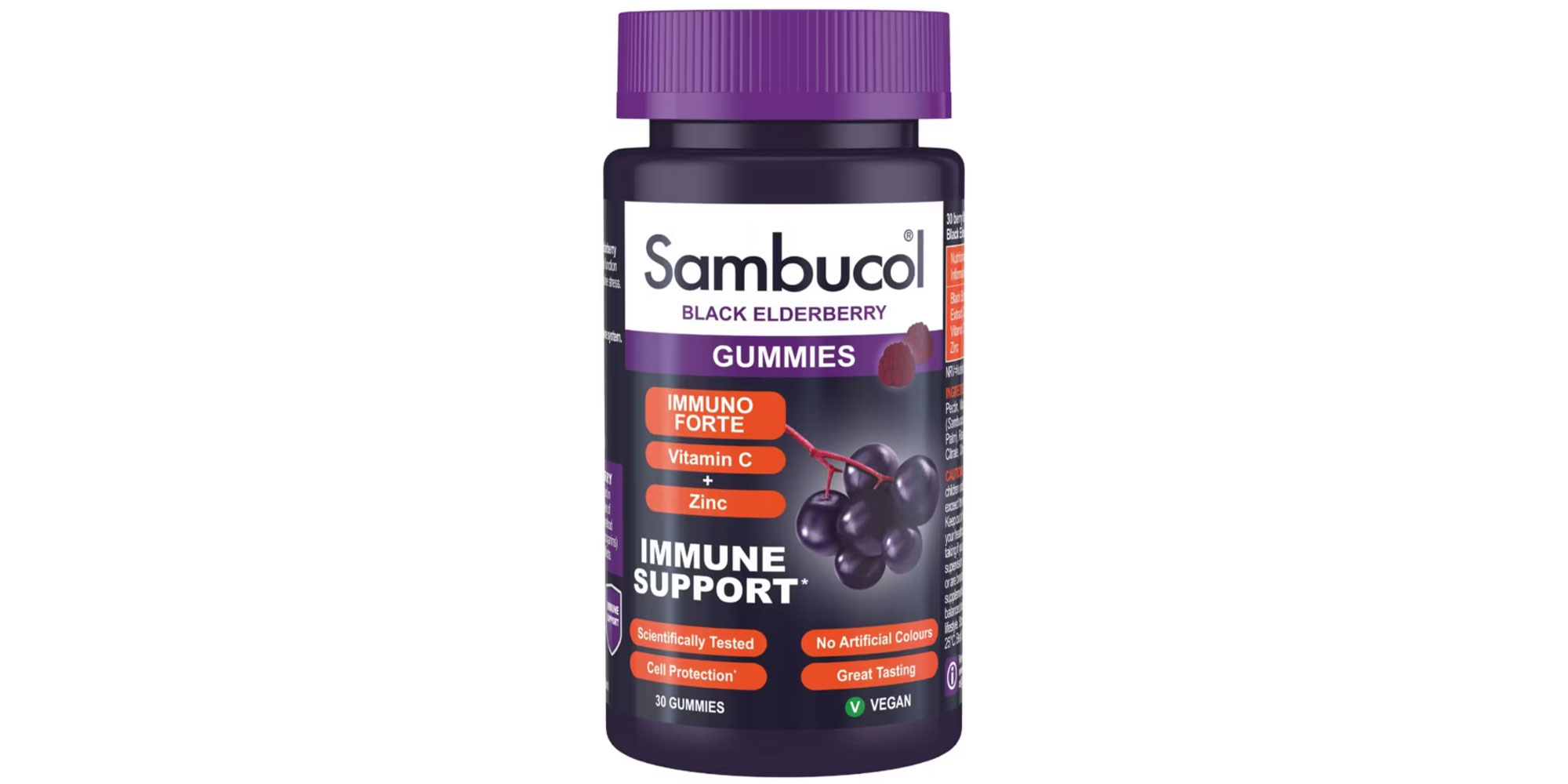 Our verdict
A daily dose is two gummies, but the packaging recommends four gummies a day for winter use or 'extra support', which will set you back £1.74 per day.
Some studies suggest that black elderberry may reduce symptom severity and shorten the duration of a cold. However, the evidence quality isn't strong, as studies have small sample sizes and doses and formulations vary, making it hard to standardise and compare results.
Black elderberry has no approved health claims, so the immunity claims you see on this supplement are due to the vitamin C and zinc.
Ultimately, it's a very expensive way to get your vitamin C and zinc, as you can get these relatively easily through diet, or as a basic supplement tablet without the black elderberry.
A.Vogel Echinaforce® tablets (£13.49 for 120, 45p-67p per dose)
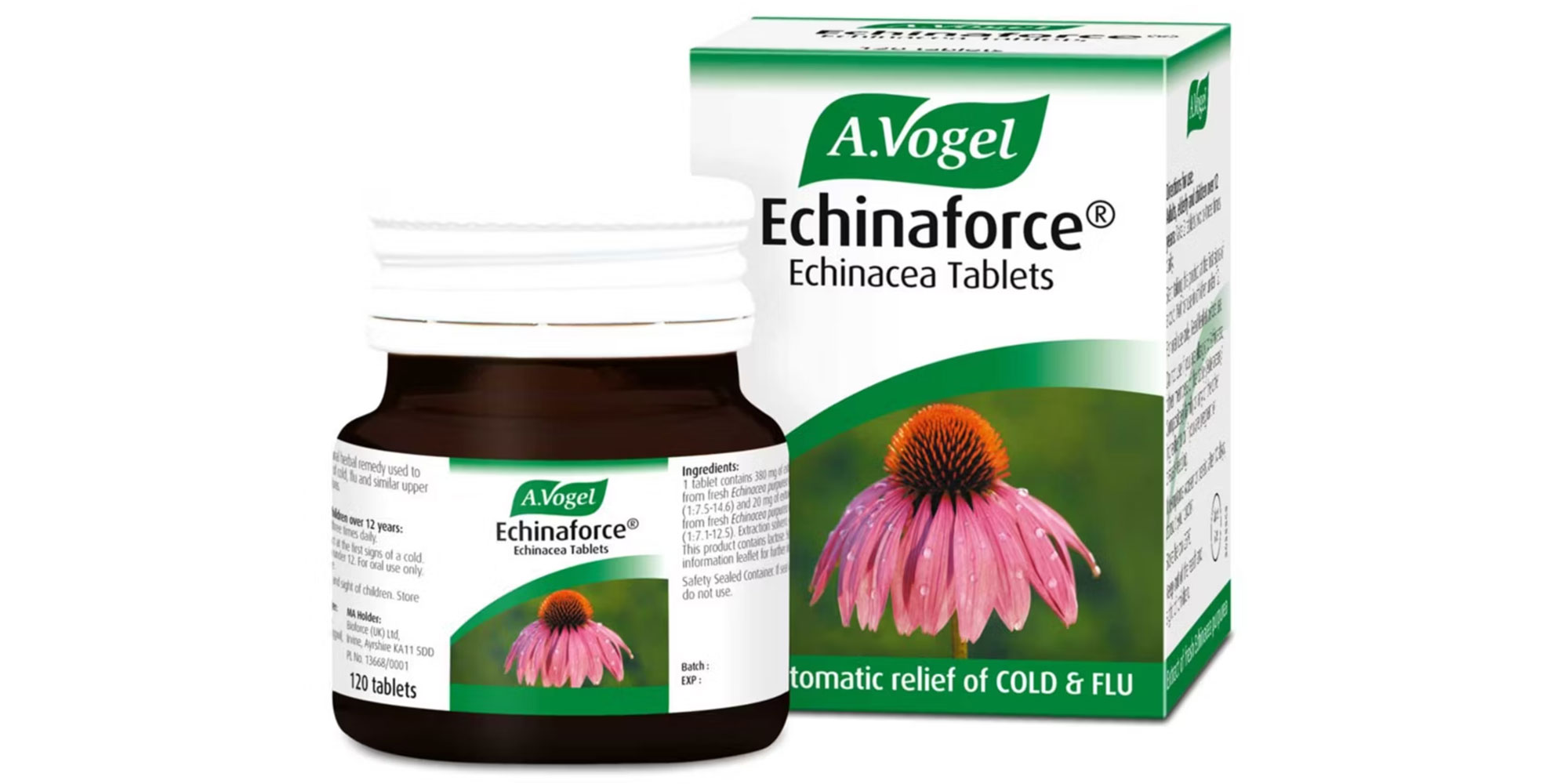 Our verdict
Evidence supporting the use of echinacea to treat colds is inconsistent. This is because, like other botanicals, supplements use different plant species, different plant parts and different extraction methods.
However, a 2014 looked at 24 controlled clinical trials covering more than 4,500 people and found the clinical evidence to support its use was weak. – find out who might benefit from supplements, and which ones contain what you needWhich nutrients are important for supporting your immune health?
Vitamin C
What it doesHow much you needVitamin C is a water-soluble vitamin, which means your body can't store it. So once your body uses what it needs for the day, the rest is flushed out. It is easy to get enough vitamin C in your diet from things like oranges, peppers, broccoli, potatoes and kiwis, so bear in mind high-strength vitamin C supplements may just go straight down the toilet.
Starting high-dose vitamin C after a cold started had no effect on its duration or severity.
Vitamin D
What it doesHow much you needSome groups are advised to supplement year-round, such as those with darker skin and those who don't spend much time outside in summer.
Zinc
What it does Helps immune cells grow and multiply during infection, activates white blood cells and protects cells from oxidative damage.How much you needYour body can't store zinc, so you need to consume it every day; any excess passes through your digestive system. When you have a cold and are fighting an infection, your body needs a regular supply of zinc so that your immune system can do its job.
Iron
What it does How much you needIron is found in red meat, seafood, lentils, beans, green leafy veg and fortified foods. Iron from animal sources is more easily absorbed. Taking vitamin C alongside iron from plant foods will help its absorption.
Having too much iron isn't ideal for your immune system, as it can fuel pathogens. However, during an infection, your body mitigates this risk by storing iron and starving pathogens of the iron they need to grow.
Other important vitamins and minerals
vitamins A, B6, B9, B12, and copper and seleniumelderberry, echinacea and garlic.Can you actually 'boost' your immune system?

Your immune system is complex and a finely balanced network. Boosting it isn't necessarily good, as an overactive immune system can cause its own problems.
When people talk about 'boosting' their immune system, they usually mean they want to make sure it's healthy and functioning properly to protect them from bugs.
Listen to episodee 3 of The Health Reset podcast with immunologist Dr. Jenna Macciochi and nutritionist Shefalee Loth on whether you can really boost your immune systemWhat's the best way to keep your immune system healthy?

It's common to catch several colds a year, but there are several things you can do to ensure your immune system is well-supported if you do get ill.
include eating the right foods, sleeping well and managing stress levels.1. Eat a diet rich in wholegrains, fruit and veg
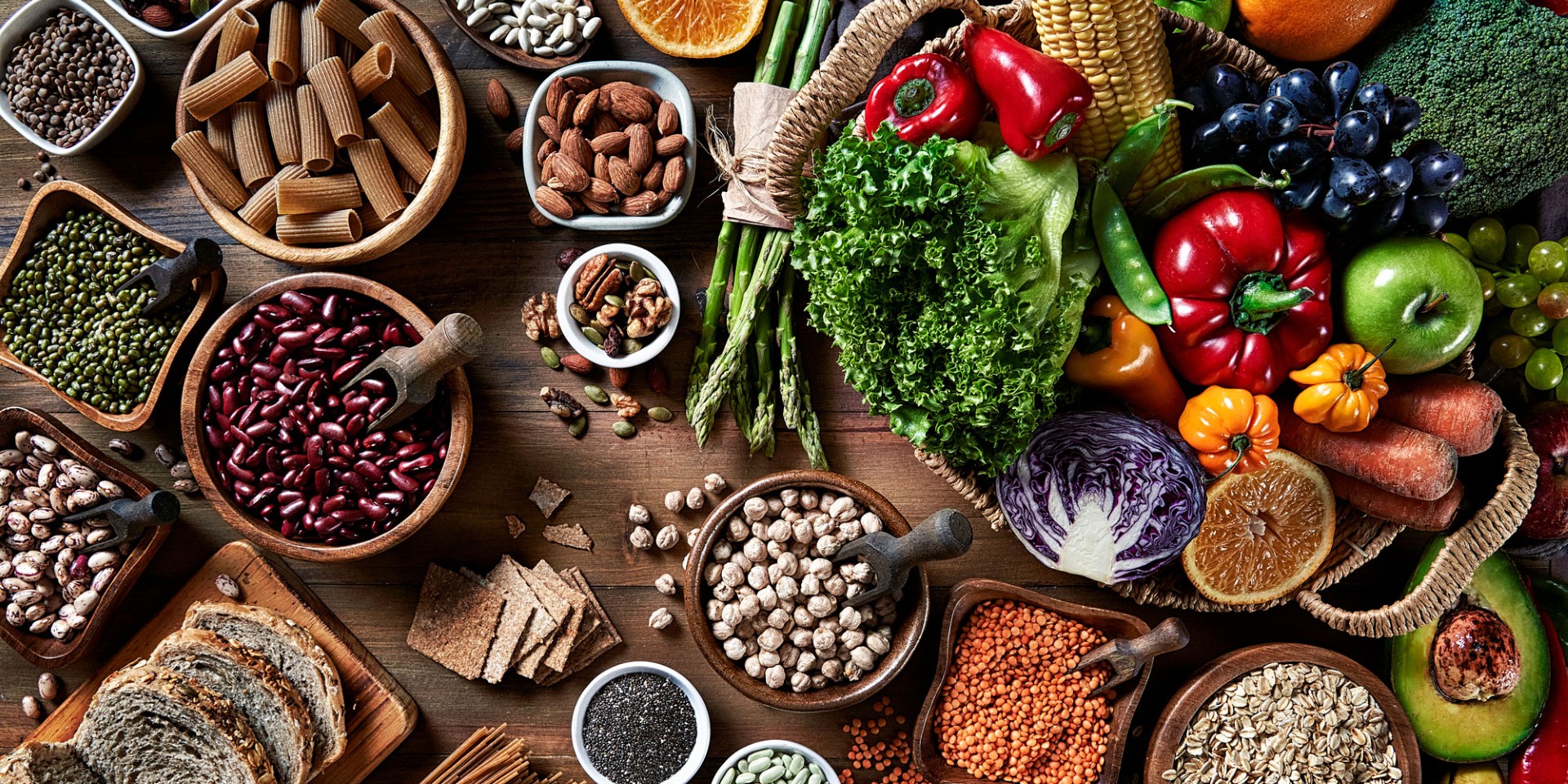
About 70% of your immune system lives in your gut, so it's important to keep it healthy. Eating a diverse diet with plenty of fruit and veg, wholegrains, nuts and seeds, pulses and legumes, and fermented foods will feed and nourish your gut microbiome.
2. Sleep
Try to sleep for seven to nine hours a night. Your body repairs itself during sleep and regulates immune cell function. If you're sleep-deprived, your immune system can't function properly.
3. Exercise
Regular exercise improves circulation and helps immune cells move through the body more efficiently.
4. Stress
Chronic stress raises cortisol levels and can increase inflammation, which suppresses your immune system.
5. Prevention
Washing your hands regularly and staying up to date with vaccinations will also help to support your immune health.
– get more expert tips on the cold and flu products you do and don't need, plus cheaper swaps for popular branded remediessource https://www.which.co.uk/news/article/are-any-immunity-supplements-actually-worth-buying-aDIBU1g5cWbb