
So why are people buying more yoghurt? And how do you know you’re choosing one that contributes to good gut health?
But not all yoghurts are created equal, so we asked our panel of experts to explain what to look for – and pick their top of the pots.
: which ones pack the biggest protein punch?What are ‘live’ or ‘active’ cultures and why are they good for us?

Charlotte explains: ‘Yoghurt is essentially fermented milk. We bring it to life by adding two main starter bacteria (Streptococcus thermophilus and Lactobacillus bulgaricus) to heated milk. These microbes feed on lactose (milk’s natural sugar) to produce lactic acid. This process sets the liquid into a thick, creamy texture and gives yoghurt its characteristic tangy flavour.’
Dr Rupy says: ‘Live bacteria [play a role] in helping us digest food, absorb nutrients, produce vitamins and prevent the growth of harmful pathogens. To support a healthy gut microbiome, incorporating foods containing live bacteria is important as they can support digestive and immune health.’
Which bacteria are commonly found in yoghurt?

Many chilled yoghurts on UK supermarket shelves are ‘live’, and some add extra bacterial strains. Typically, natural or Greek yoghurt contains two strains, but sometimes more. Kefir typically contains a more diverse mix of microorganisms, including bacteria and yeasts, although the number and types vary by product.
Interestingly, plain yoghurt made purely from fermented milk using starter bacteria is legally exempt under UK regulations from listing these starter cultures in the ingredients list, so manufacturers can simply list the single ingredient as milk.
But do these bacteria survive manufacturing?
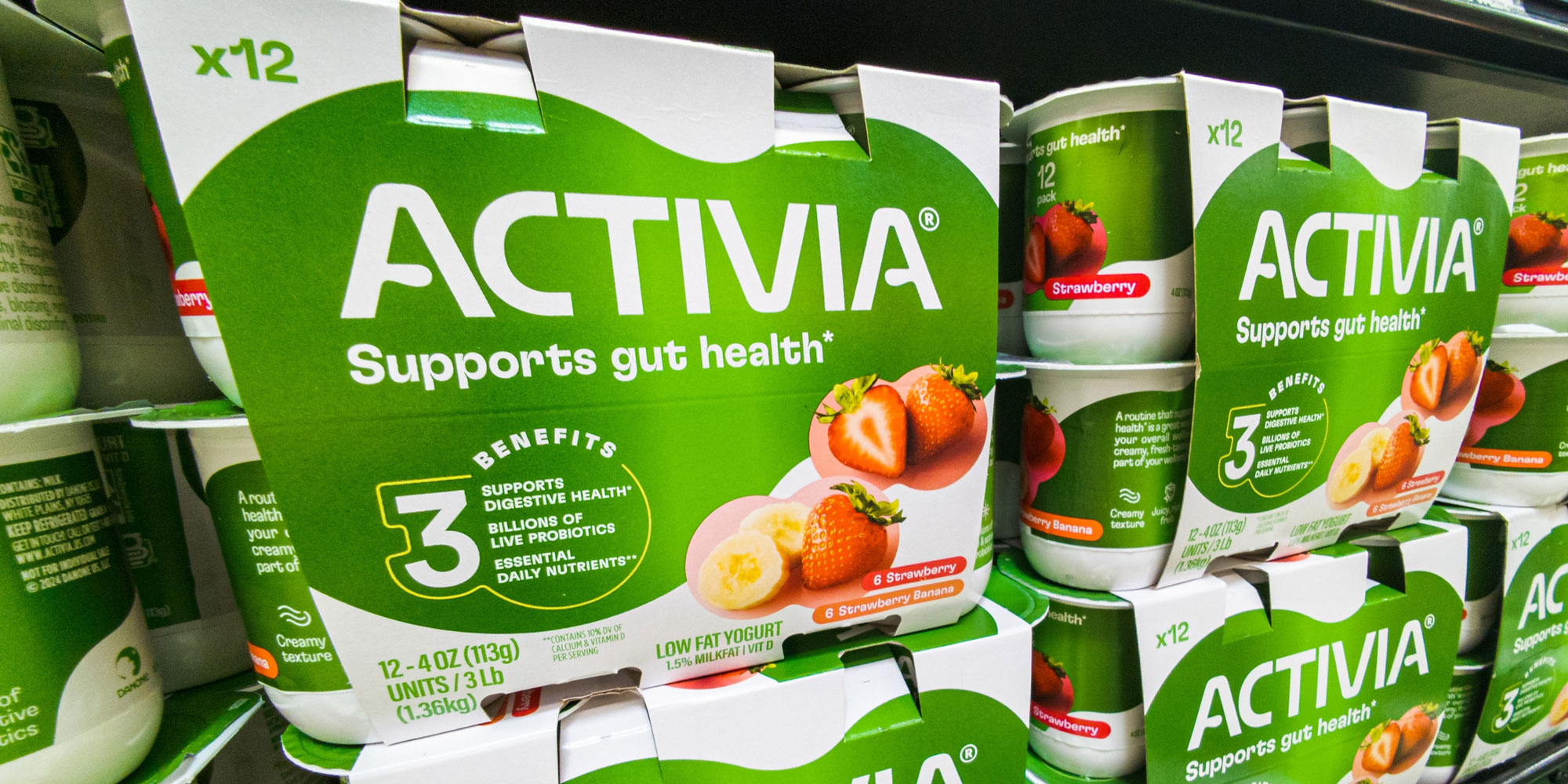
‘Because industrial pasteurisation happens before the starter cultures are added, heating during production isn’t such an issue for the live bacteria’, Charlotte points out. ‘The real decline in the number of bacteria happens gradually in the fridge once in cold storage. A top tip is to pick a yoghurt pot further from its sell-by date, as this might offer a higher concentration of active microbes than one close to its expiration’.
However, heating yoghurt at home is a different story. Charlotte says: ‘Cooking it at high temperatures can kill many of the live bacteria.'
What does ‘probiotic’ actually mean?

Probiotic has a strict scientific definition: Live microorganisms that, when administered in adequate amounts, confer a health benefit.
Charlotte explains: ‘You shouldn’t see the word “probiotic" on UK food labels. Under UK regulations, "probiotic" is an unauthorised health claim because it implies a proven health outcome. Authorising it requires providing a direct cause-and-effect relationship for a very specific strain and dose in healthy adults.’
Since most supermarket yoghurts lack the isolated, high-dose strains tested in clinical trials, they can't be claimed as being probiotic. Instead, to remain compliant with Trading Standards and advertising rules, UK manufacturers use the purely descriptive term ‘contains live cultures’.
: our dietary and nutrition experts have reviewed 25 popular supplements to help you find the bestDo these bacteria survive digestion and reach the colon alive?
Instead of treating yoghurt as a quick-fix for specific issues, our experts stress that its real value lies in being a nutrient-dense addition to your daily routine for long-term gut health.
Find out more about in our Which? shorts podcast episodeWhich type of yoghurt is the most beneficial?

When choosing between yoghurt brands, consider the bigger picture.
‘When choosing your yoghurts, look for a simple ingredients list, ideally just milk and cultures’, says Charlotte. ‘Protein content varies widely, ranging anywhere from 4g to 5g per 100g in natural yoghurt to around 10g per 100g in strained Greek or Skyr. This can help you feel fuller.’
Full-fat pots also boost satiety and aid fat-soluble vitamin absorption. Low-fat options work, too. Just watch for added sugars, sweeteners, or thickeners used to replace lost texture and flavour.
While different yoghurts suit different uses, Charlotte points out that there are some key differences to bear in mind:
Strained varieties (Greek, Greek-style and Skyr)Unstrained and traditional (natural and kefir)Dairy alternatives (plant-based)Strained options like authentic Greek yoghurt or Skyr cost more because you're paying for the extra milk needed to make it higher in protein and thicker in texture.
If you aren’t a fan of traditional yoghurt, other fermented foods and drinks may provide live cultures, including some kimchi, sauerkraut and kombucha products. Kefir and labneh are other options.
: our blind taste test reveals the tastiest tubsOur experts’ top of the pots
Charlotte Phillips: Fage Total 5% Natural Greek Yoghurt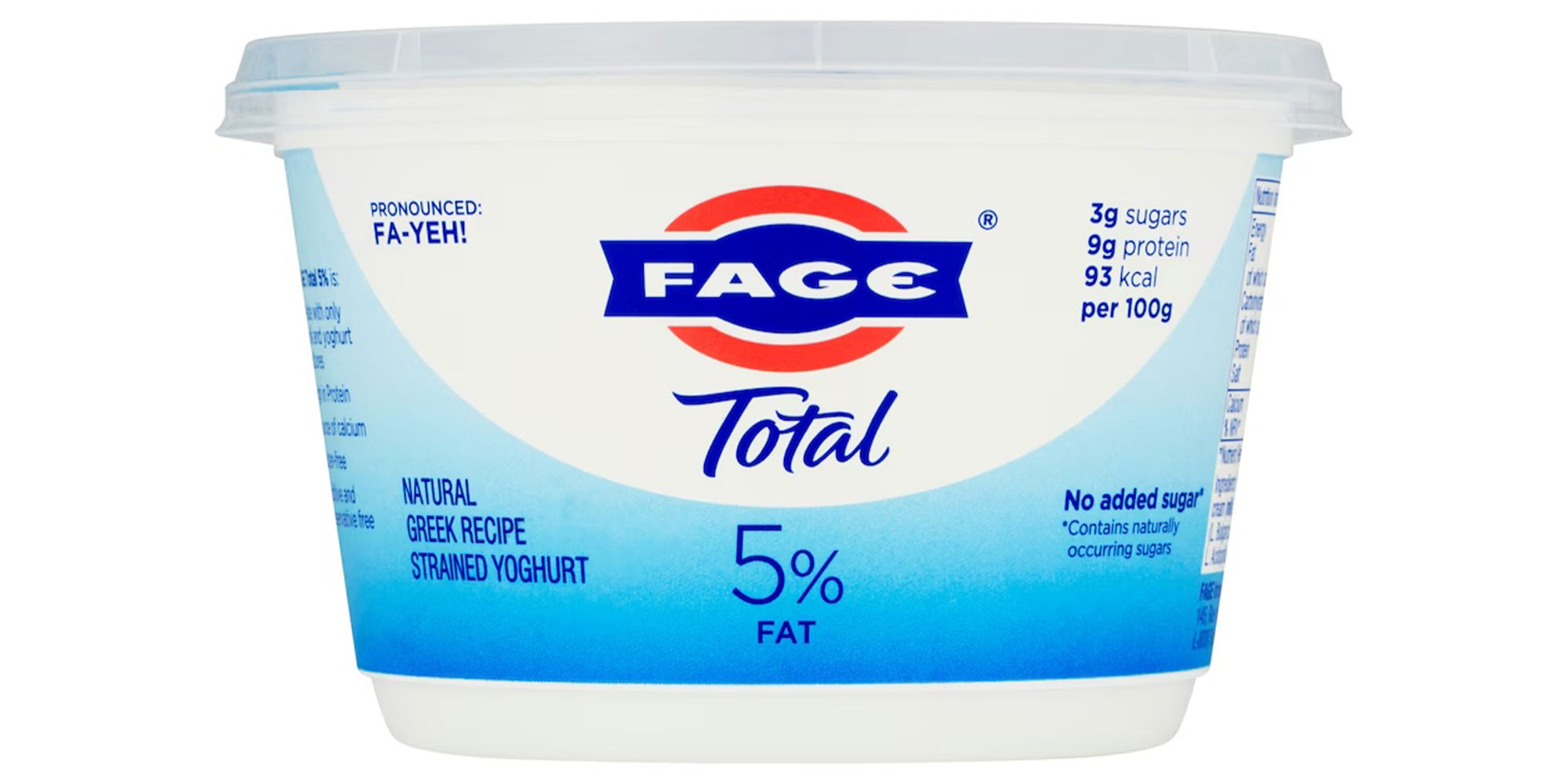
I love a full-fat live Greek yoghurt topped with fruit, nut butter and seeds. The balance of healthy fats, fibre and protein keeps me full all morning. I particularly appreciate the higher protein content for post-workout muscle repair when I exercise in the morning. Fage Total 5% is a staple for me (especially when it’s on offer).
Dr Rupy: .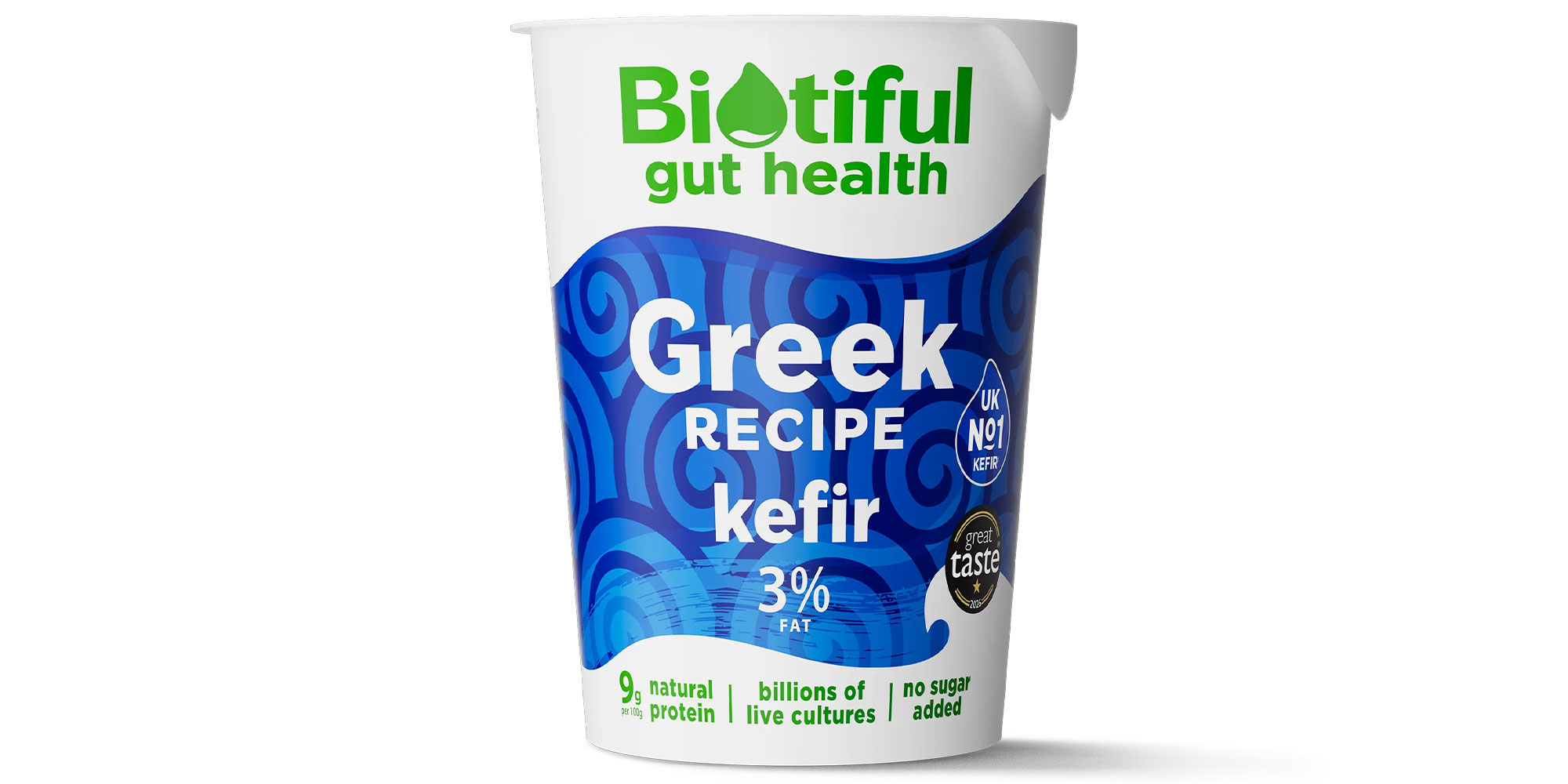 Dr Peiris: .

This one has live cultures for optimal gut-brain communication. Plain Greek yoghurt removes some of the whey, which means it’s lower in sugar and lactose – so a bit easier to digest for sensitive guts. Choosing 0% fat lets me choose which nuts and seeds to add for those all-important healthy fats.
Our expert nutritionist gives her verdictsource https://www.which.co.uk/news/article/yoghurt-and-gut-health-probiotic-beneficial-bacteria-arbK42G3LPpg