
What is a smart light bulb?
Smart light bulbs can be installed in your regular ceiling light fittings or lamps. Instead of turning them on by flicking a switch, you control them via an app on your smartphone or tablet. Or, if you have a smart speaker, you can control it by voice.
Some smart lights have an adjustable white light, while others can display thousands of colours across a wide range of brightnesses.
As well as bulbs, you can buy other types of smart lights, such as light strips for accent lighting or light bars that sync with your TV's sound.
How are smart bulbs different from LEDs?
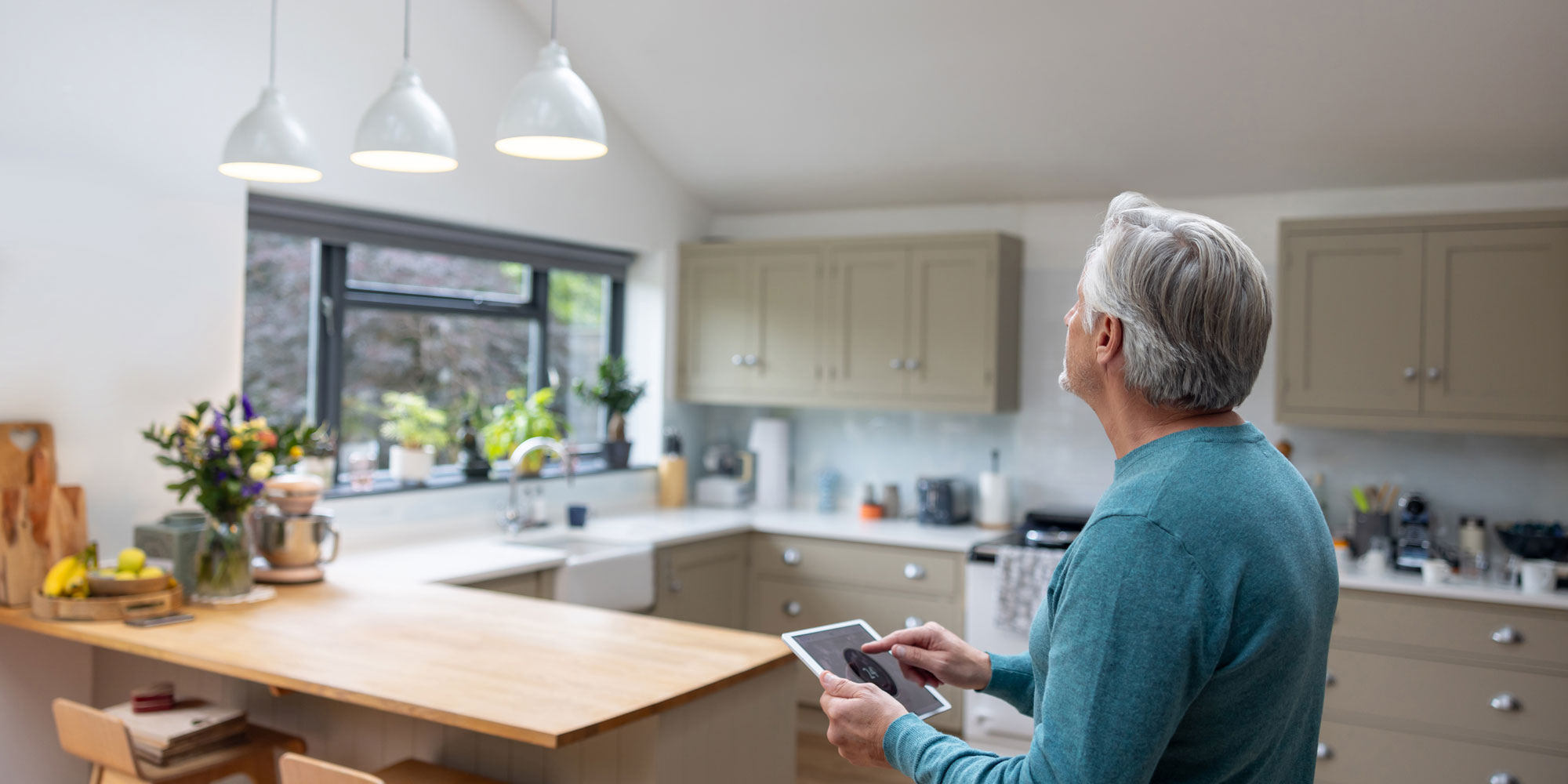
Smart bulbs and regular LED bulbs use largely the same lighting technology. The difference is that LED bulbs need to be controlled by a wall switch and emit bright, white light. Meanwhile, a smart bulb has extra features that allow you to control it remotely, adjust the brightness and sometimes change the colour.
Popular smart bulbs
We've applied our expert buying knowledge and market research to show you the most popular smart light bulbs for each fitting type, including bayonet, Edison screw and recessed spotlights. Please note that we haven't tested these products.
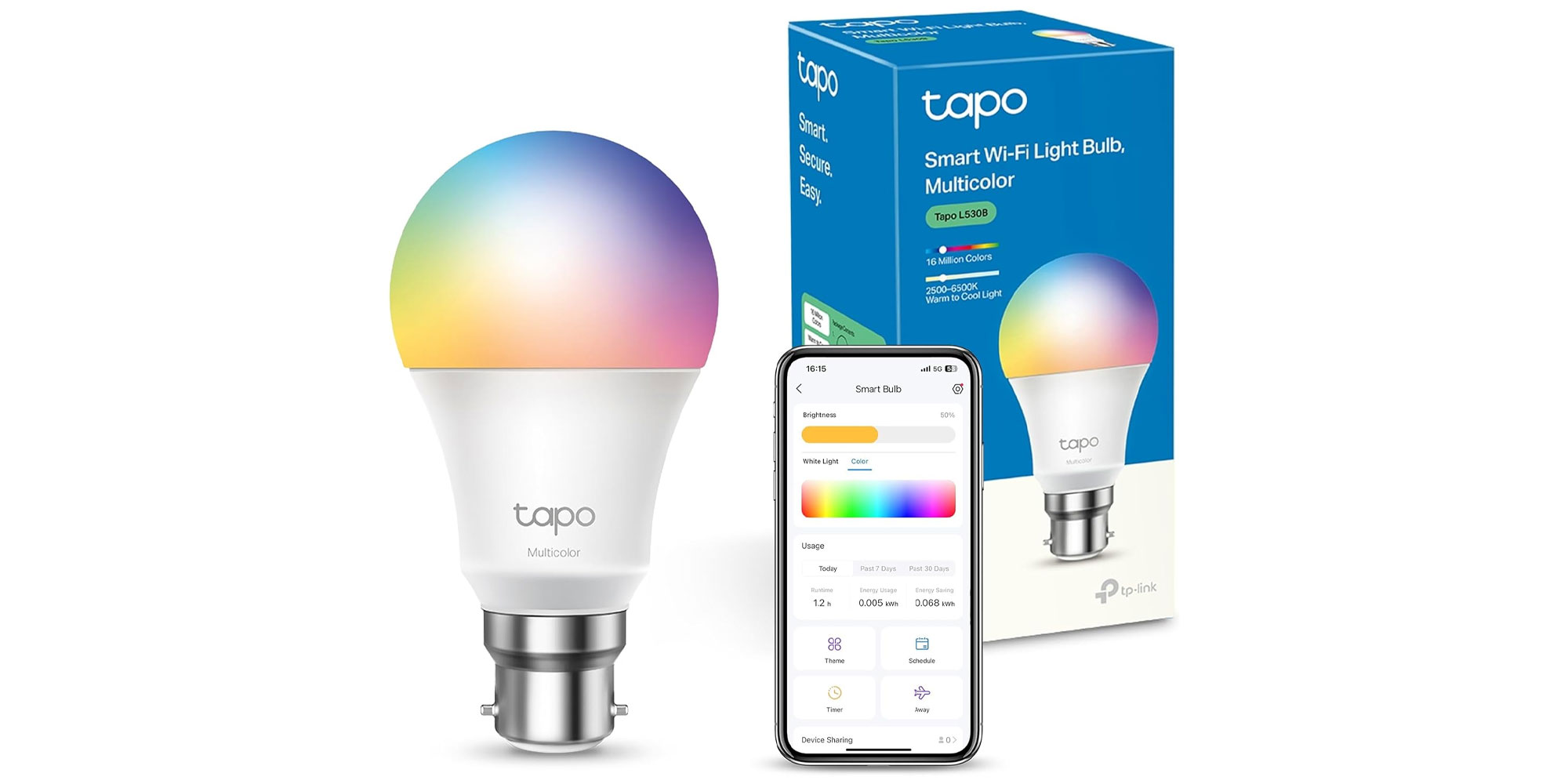
Tapo L530B smart bulb multicolour (B22)
 We like: Watch out for:
An affordable multicoloured smart bulb with up to 16m of colour options, the TP-Link Tapo can be controlled through its smartphone app or your Alexa or Google Home smart speaker.
It's dimmable, you can set schedules and timers, and there's an Away mode to make it look like someone is home when you're on holiday.
Each of these bulbs needs to connect directly to your wi-fi router, which should make setup simple, especially if you only have a couple. But if you intend to fill the house with them, you might be better off considering bulbs that can connect to a smart hub to protect your network's speed.
More popular B22 smart light bulbs: Govee multicoloured smart bulbAmazon Basics smart multicolour LED light bulbPhilips Hue Essential colour smart LED bulbPhilips Hue Essential smart bulb white and colour (E27)
 We like:Watch out for:
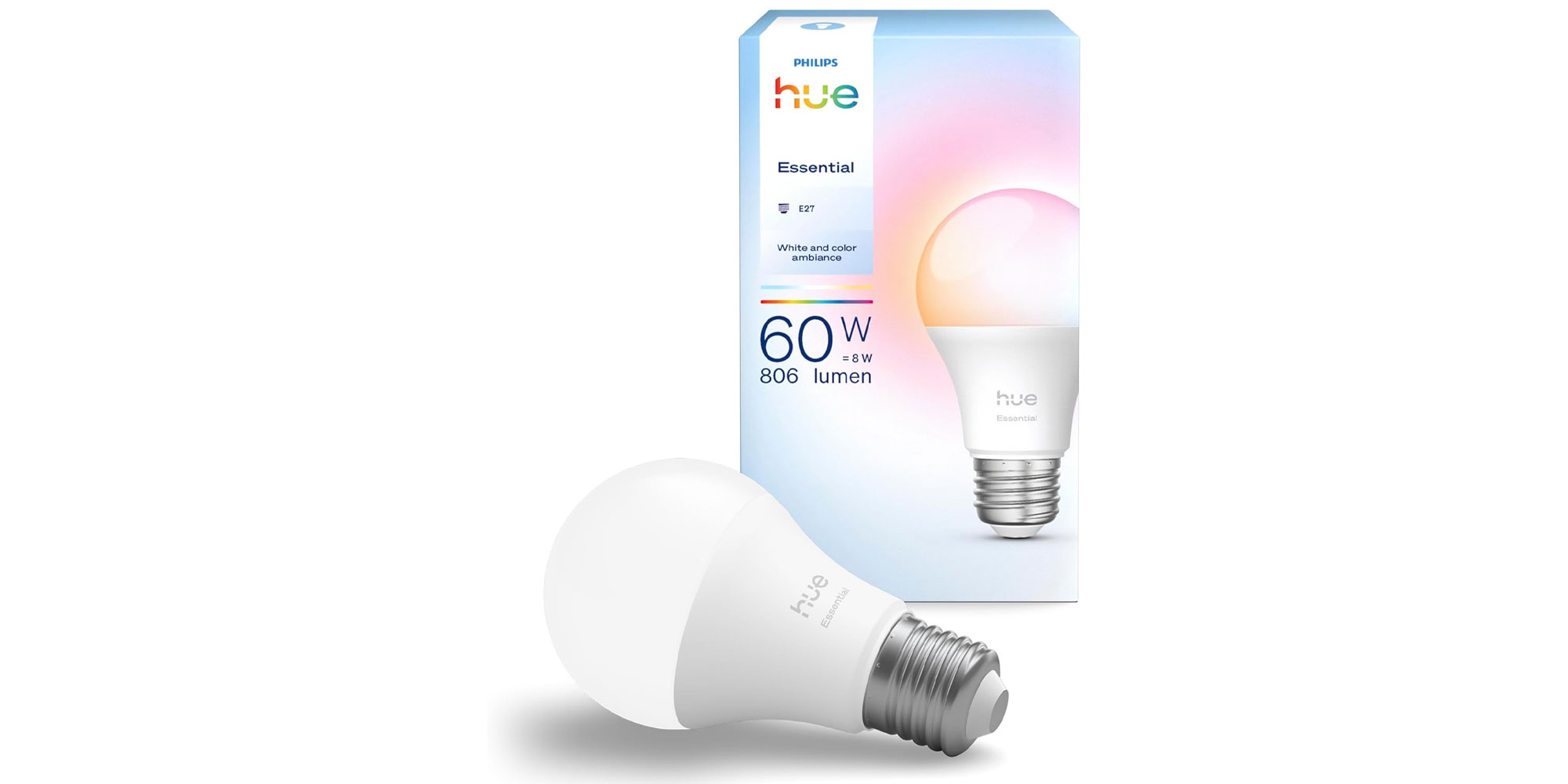
Philips Hue is one of the most well-known smart lighting brands, offering a huge range of options from bulbs to lamps. This multicoloured bulb offers 806 lumens, voice control and a selection of preset light scenes.
The benefit of splashing out a bit more on a Philips Hue light bulb is that you can hook it up to a Hue Bridge. It prevents too many devices from being connected at once, slowing down your network by individually connecting each bulb to the wi-fi. Philips Hue bulbs also include Bluetooth connectivity.
More popular E27 smart light bulbs:TP-Link Tapo (2-pack) colour-changing bulb Paulmann smart light bulbWiz A60 tunable white smart light bulbPhilips Hue Essential GU10 spotlight bulb (four pack)
 We like: Watch out for:
If you have spotlights dotted around your house, there are smart light bulbs to replace those, too.
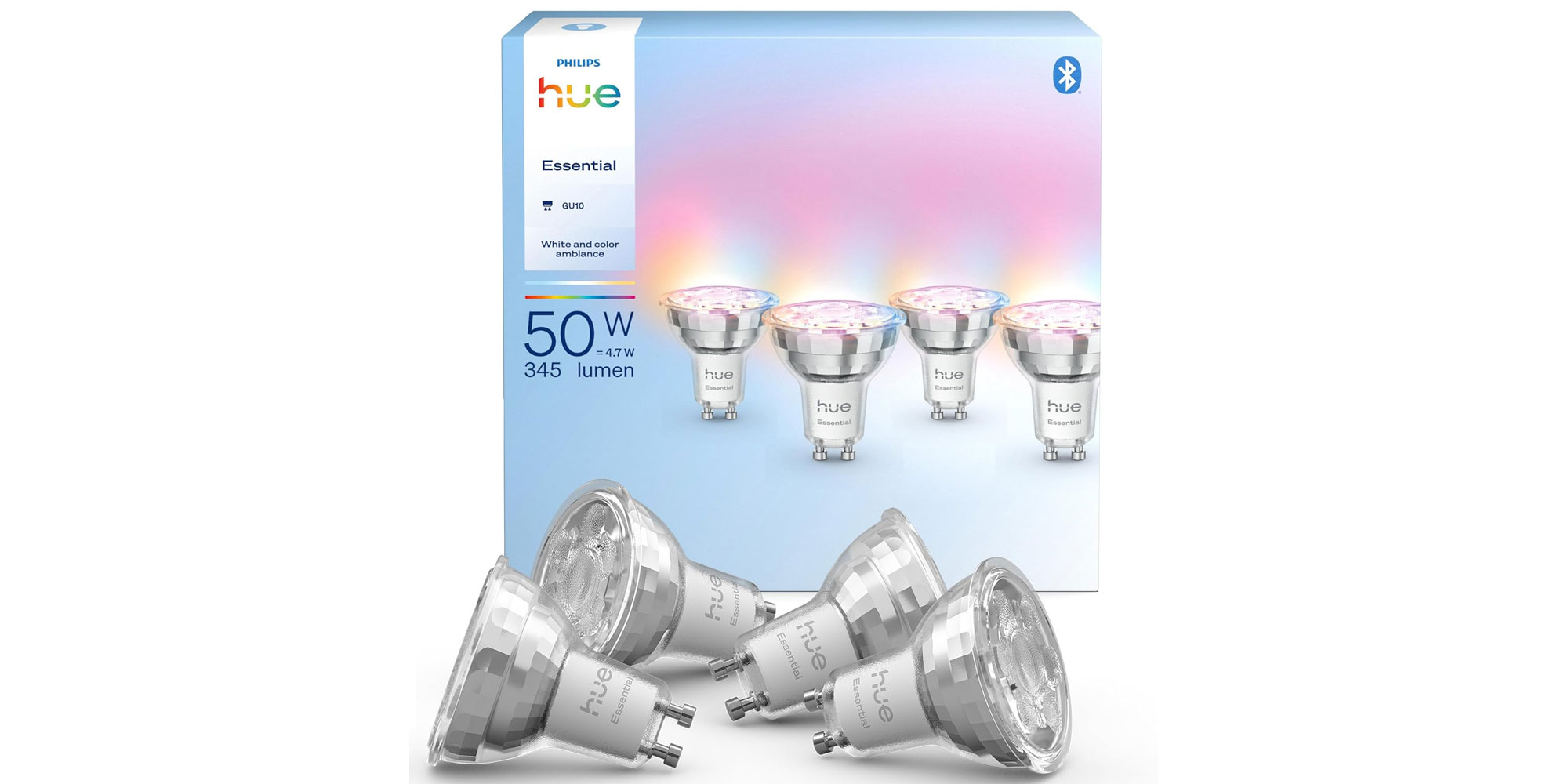
These Philips Hue Essential GU10 spotlights are multicoloured, offer 345 lumens each, they're dimmable, and you can control them by voice through Alexa, Apple HomeKit and Google Home.
More popular GU10 smart light bulbs:Wiz white smart spotlight bulbTP-Link Tapo smart spotlight bulb (twin pack)Govee smart GU10 bulb (four pack)Tapo E14 smart light bulb
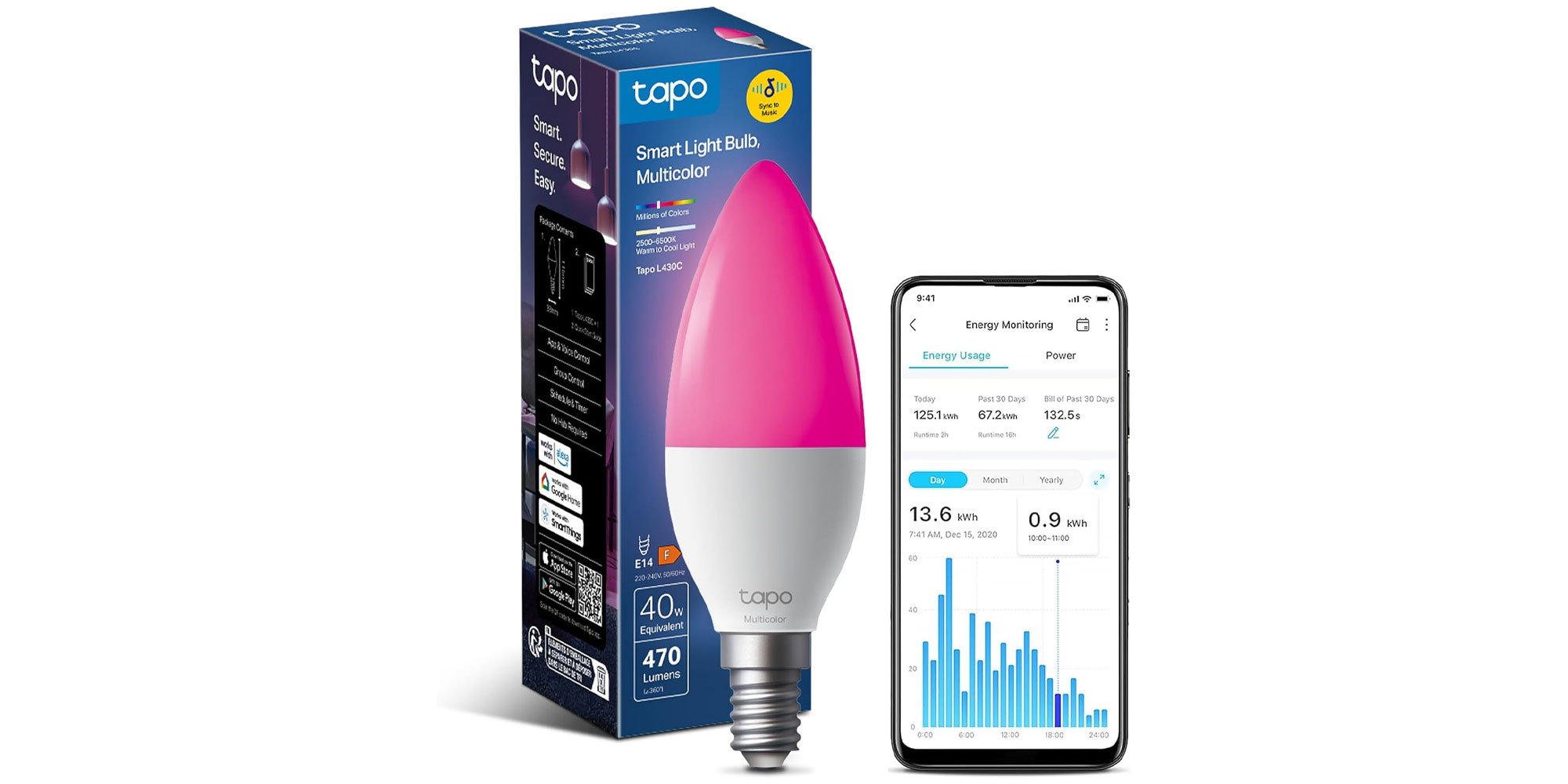 We like: Watch out for:
Looking to smarten up your favourite bedside lamp or decorative light? This Tapo E14 bulb fits smaller fixtures and is available in packs of one or two.
You can set the brightness anywhere between 1% and 100%, tune the temperature, change the colour and there are even dynamic lighting effects to play around with.
More popular E14 smart light bulbs:Lepro AI smart bulb E14 (two-pack): Philips Hue white smart light bulb lustreHive smart light bulb E14 dimmableWiz RGB smart lightstrip 4m
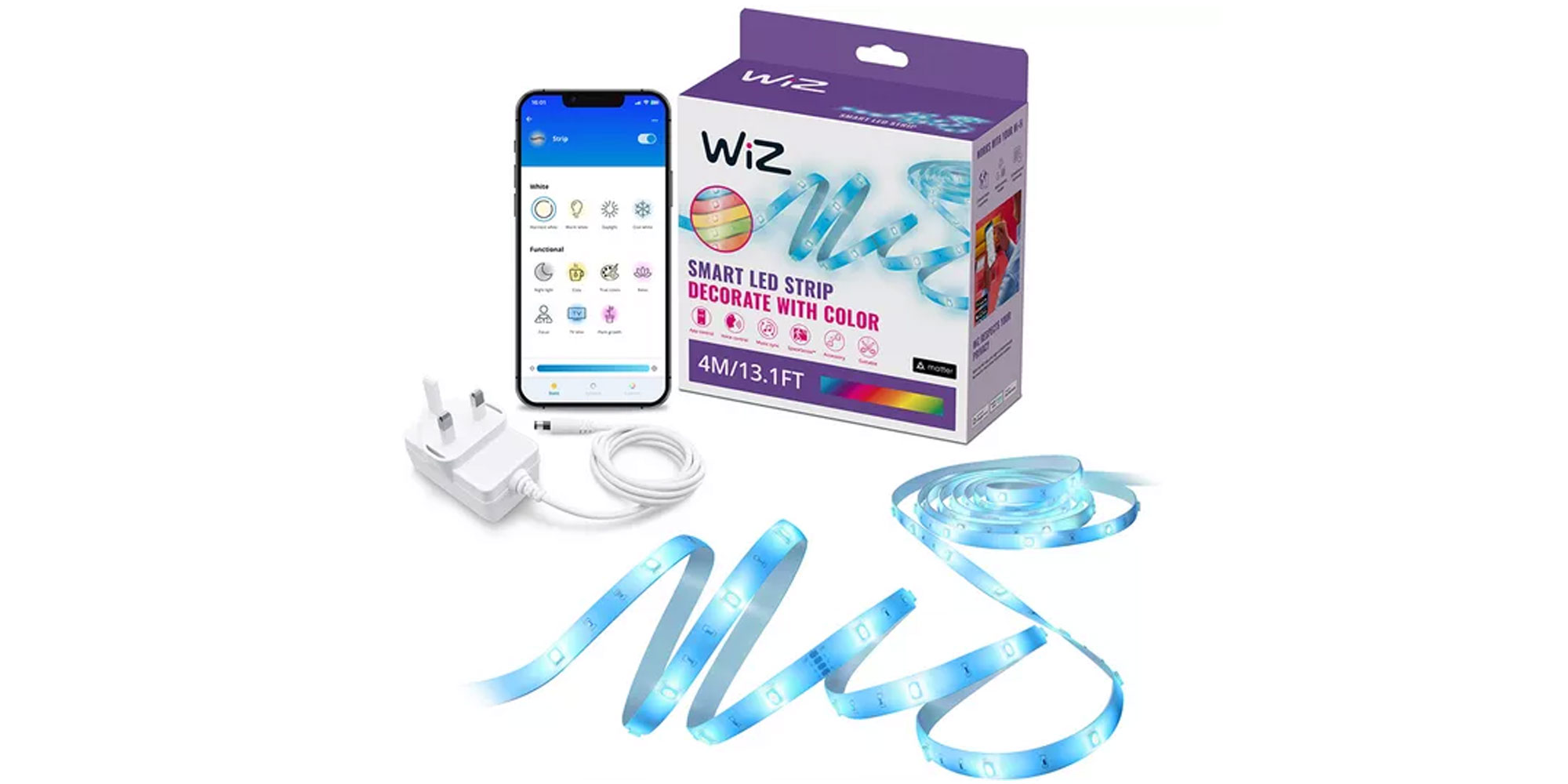 We like: Watch out for:
Swapping bulbs isn't the only way to bring smart lighting into your home. Smart light strips offer a versatile way to add accent lighting to any space. Try placing them around a bookcase, across the edge of a mirror or along your skirting boards.
Just like a smart bulb, you can control these strips via a smartphone app or voice commands. You can also set automated schedules to sync with the rest of your home’s lighting.
More popular smart light strips:Philips Hue Indoor 3m smart LED solo lightstripTapo L900-5 LED strip light 5mGovee H618A smart indoor LED lightstrip 5mFour cool things you can do with a smart bulb
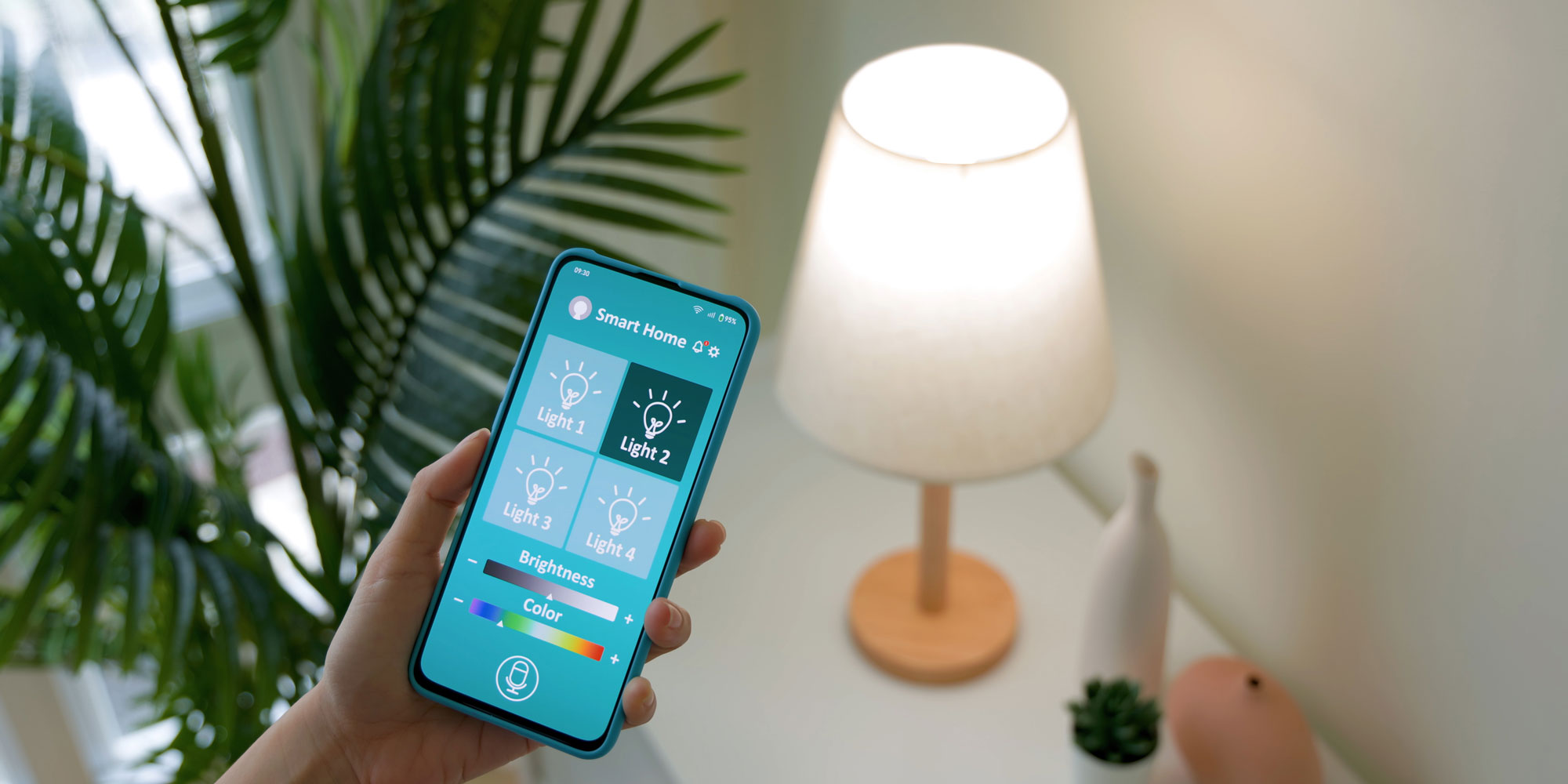
1. Match the mood and set schedules
From the time of day to the mood of the room, smart lights can be adjusted to fit every scenario. Scenes and automated schedules could also be set up to support daily routines.
For instance, a bright white light in the morning might help you feel alert and get ready for the day ahead, while a dim, warm orange light in the evening could set the scene for a dinner party or curling up on the sofa to watch a film.
2. Control them by voice
There’s no need to fumble around in the dark looking for a light switch – just ask your smart speaker to turn them on.
Name each light individually or group them together in your smart home app to control entire rooms (or even your whole home) at once.
You could say ‘Alexa, turn the bedroom lights to warm white’ to change the colour or ‘Hey Google, turn the kitchen lights to 100%’ to change the brightness.
3. Wake up to light
Did you know you can use smart lights to wake you up, instead of your usual alarm? They can mimic a sunrise, slowly increasing in brightness from around 30 minutes before you want to wake up.
BrightnessRamp Brightness4. Boost home security
If you want to make it look like you’re at home when you go on holiday, some smart lights will randomise when they switch on or off so it looks like people are moving around the house throughout the evening.
How to install a smart light bulb
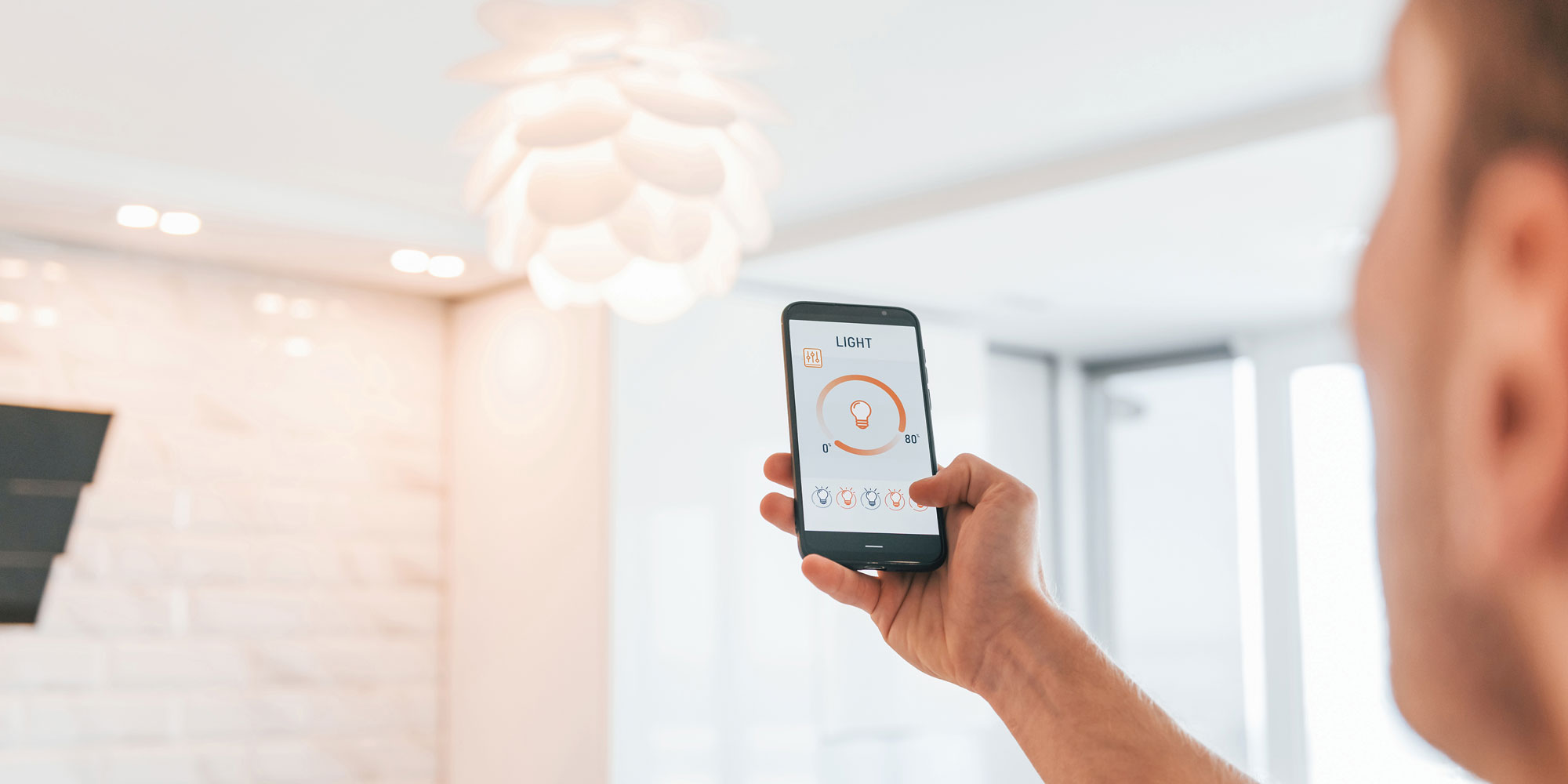
Installing a smart bulb is similar to installing a standard bulb — you simply screw it into ceiling fixtures or lamps with the power turned off at the wall.
The connection process varies by model but usually takes less than 10 minutes. Download the manufacturer's app, create an account and follow their instructions for connecting your new bulb.
DevicesDo I need a hub or can I just use wi-fi?
The technology used to connect your smart bulb will depend on which one you buy.
Some bulbs connect to your phone through Bluetooth, others have wi-fi connectivity, and many require a hub (sometimes called a bridge) to communicate between your phone and your wi-fi router.
While Bluetooth bulbs are the most budget-friendly choice, they only work when your phone is within range. This means you’ll miss out on essential features such as remote control, routines and automated scheduling.
Wi-Fi smart bulbs are affordable, straightforward to set up and communicate directly with your router. However, lots of these bulbs dotted around the house might clog your network and slow it down. Brands such as Govee, Lifx and TP-Link Tapo offer this type.
Hub-based bulbs connect to a separate device that acts as a translator between your router and the bulbs, using technologies such as Zigbee or Z-Wave. Instead of each bulb connecting directly to your network, only the hub needs to be connected to your network. This could mean faster performance, fewer devices on your network and the ability to use your routines when the wi-fi goes down.
You can buy a standalone hub or some smart speakers have the technology built in, such as the latest Amazon Echo devices (not all models have it, so be sure to check).
Popular smart home hubs: Philips Hue BridgeAeotec Smart Home HubHow do you control a smart bulb?
Smart bulbs are controlled via an app on your phone. Each manufacturer has its own app for setup, but you can also link them to a central hub such as the Amazon Alexa, Apple Home or Google Home app. This integration allows you to use voice commands to control the lights, too.
You may also be able to automate your lighting using other smart devices, such as motion sensors.
Do smart bulbs save money on electricity?
Since smart bulbs and traditional LED bulbs are based on similar technology, they consume about the same amount of electricity.
That said, the way you use smart bulbs could mean you save energy. Because you can control them remotely and set schedules, there’s less chance of forgetting to switch them off and using power unnecessarily.
Smart bulbs can also be dimmed, unlike standard LED bulbs that stay at 100% brightness, which could also reduce energy use.
How long do smart bulbs last?
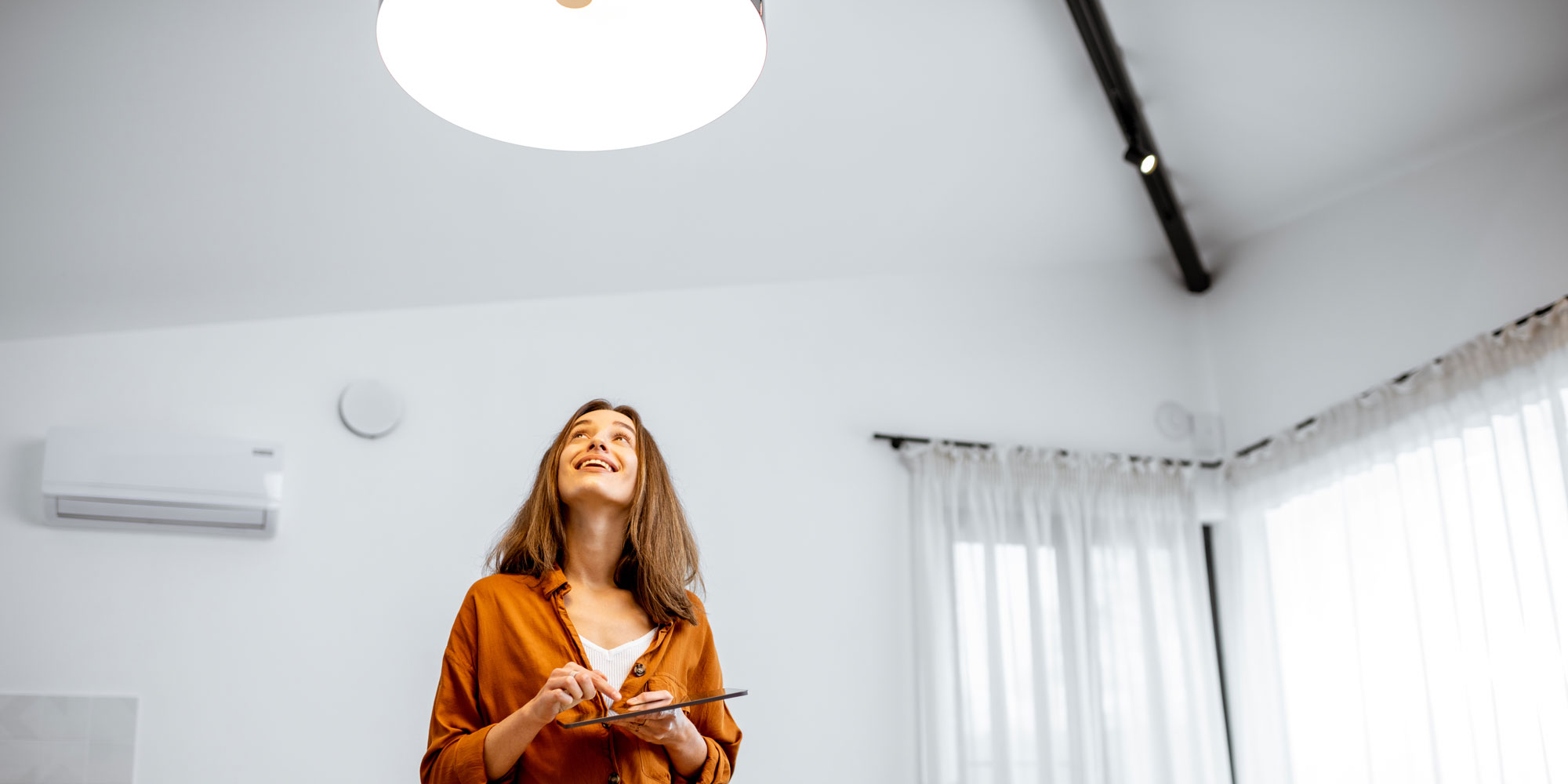
Typically, smart bulbs last between 15,000 and 25,000 hours.
How long they work for will depend on how often they are used. If you keep the lights on for about eight hours a day, they could last up to eight years.
Can you use smart bulbs from different brands together?
You can mix and match smart lighting from different brands around your home and manage them all in one place using apps such as Amazon Alexa, Apple Home or Google Home.
Make sure they all have Matter, a universal smart home standard that acts as a common language, allowing devices from different manufacturers to communicate seamlessly and reliably.
source https://www.which.co.uk/news/article/do-i-need-a-smart-light-bulb-a6qdR7b2wSLQ