
As part of our report, we’ve analysed the labels of more than 80 different nut butter products* to see which takes the lead in regards to protein and fibre, so you don’t have to.
Peanut butter, almond butter, cashew nut butter or mixed: which is healthiest?
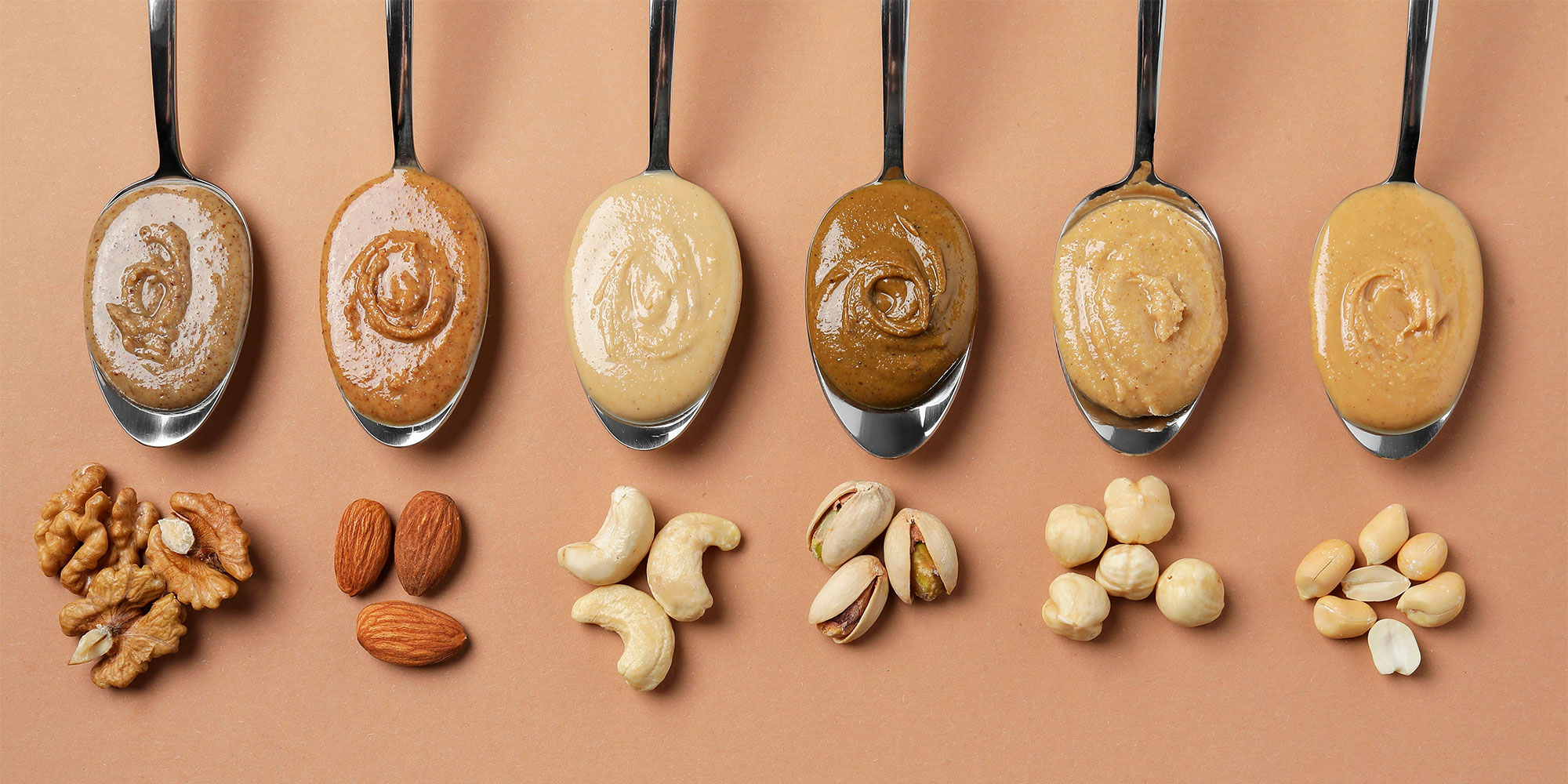
Regular nut consumption, particularly whole nuts and minimally processed nut butters, is associated with improved cholesterol balance and reduced cardiovascular risk, and may also support gut health. But which type is best?
Kirsten says: ‘Technically speaking, no one food is healthier than the other as it depends on the overall diet and interestingly, gut health research is pointing more towards plant variety in our diets rather than picking that 'one best option.'
So ideally, we would be having a variety of nut and seed butters in our diet.
‘I recommend all my clients to include nut butters in their diet due to the multiple health benefits they provide,’ says Kirsten, ‘but also the versatility – they are so easy to add into or onto foods.’
Although Kirsten says if she had to choose, she’d pick almond butter for its vitamin E and fibre content, all nut butters bring something to the table. Here are some of their pros and cons:
Peanut butter: good for heart health and energy
Pros: Cons:Almond butter: great for metabolism
Pros: Cons:Cashew nut butter: supports bone health
Pros: Cons:Walnut butter: helpful in lowering cholesterol
Pros: Cons:Hazelnut butter: circulation booster
Pros: Cons: – easy ideas to boost energy, improve gut health and support concentrationHow much nut butter should you be eating?
One level tablespoon of nut butter provides around 4g of plant protein, 1g of fibre and 100 calories, most of which come from healthy fats.
‘I recommend 1-2 tablespoons per day as long as someone isn’t looking to lose weight, as this is a calorie-dense food,’ says Kirsten.
If you are watching your waistline, you should half this amount, as a heaped tablespoon can double the serving size when compared to a level one.
We analyse the benefits of some of the most popular weight loss plansAre high-oleic peanuts better than other peanuts?
High-oleic peanuts contain a higher proportion of monounsaturated fats than regular peanuts.
While regular peanuts typically contain 35-69% oleic acid, high-oleic peanuts contain 75% or more. This means that in high-oleic peanuts there’s 9g of oleic acid to every 1g of linoleic, but for standard peanuts it’s around 1.5g of oleic to every 1g of linoleic.
Why does this matter?
Kirsten says: ‘High-oleic peanuts contain 30% more monounsaturated fats than regular peanuts, so they are good at reducing bad cholesterol.’
Not only that, but high-oleic peanuts are considerably more stable than other peanuts, so they don’t go off as quickly.
High-oleic peanut butter products include M&S (100% Smooth/Crunchy), ManiLife, Pip & Nut, and Yumello. While Whole Earth also offers a high-oleic version, it is usually a specific product within their wider range, so check the label.
– nutrition experts spill the beans...Top nut butters for protein
Peanut butter
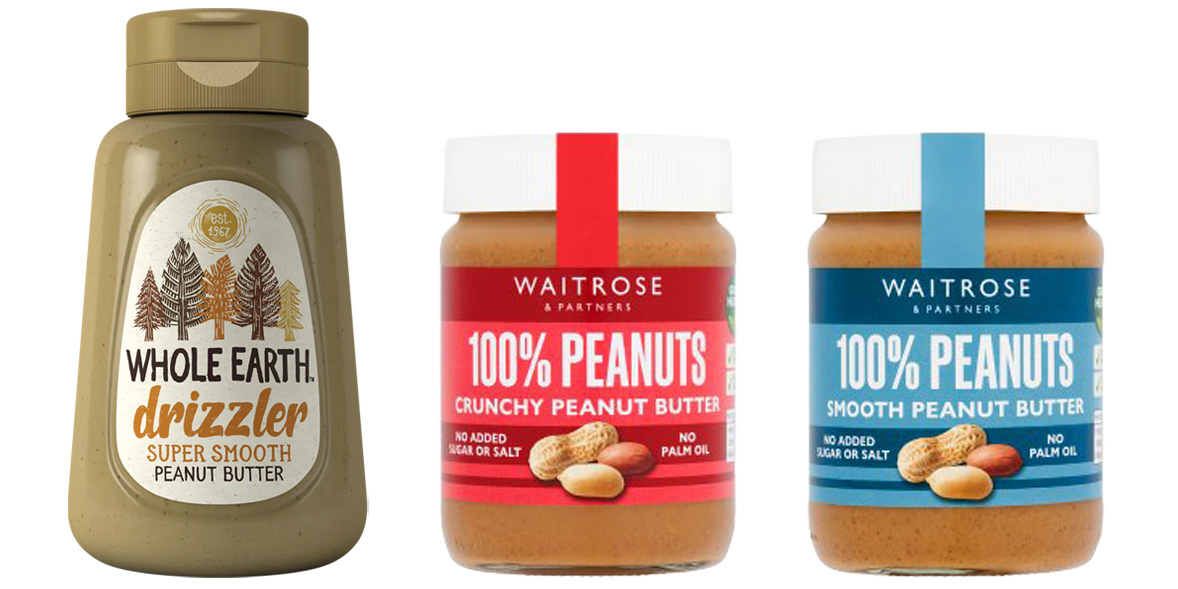 Whole Earth Drizzler Super Smooth 100% peanut butter Waitrose 100% peanuts crunchy peanut butterWaitrose 100% peanuts smooth peanut butter
The lowest were Pip & Nut Sweet & Salty peanut butter (20.6g per 100g), Yumello Crunchy Salted Date peanut butter (22.6g) and Morrisons smooth peanut butter (23.4g). It’s worth noting that although the product with the least protein had around 70% less than the best one, all the peanut butters looked at had decent protein levels.
Almond butter
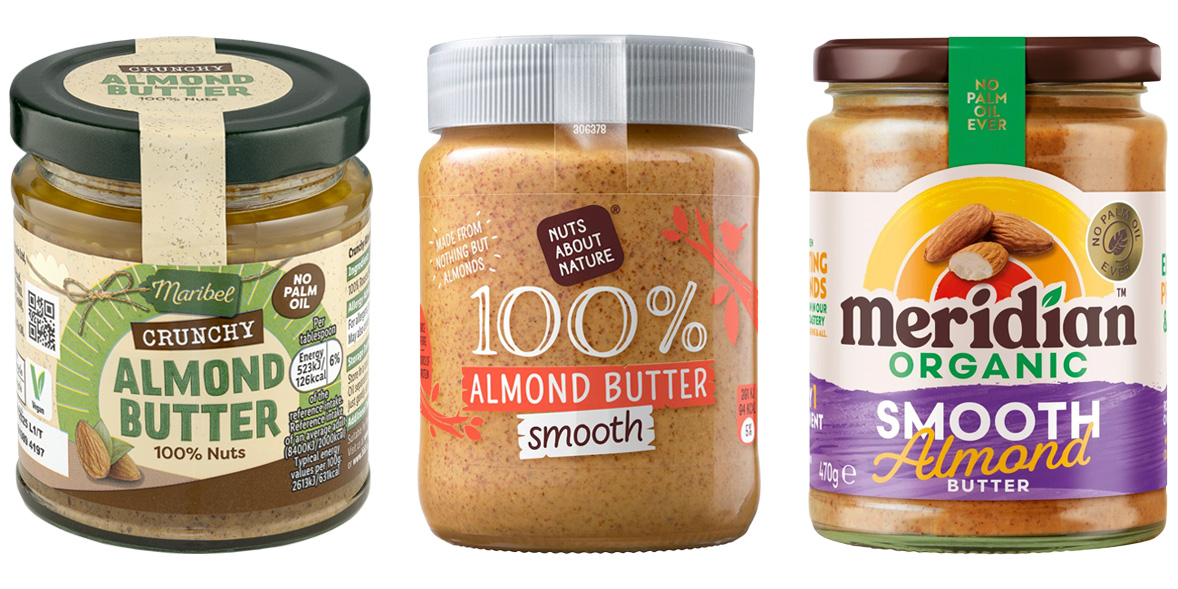 Lidl Maribel Crunchy almond butter, & smooth almond butter Nuts About Nature smooth almond butterMeridian Organic Smooth almond butter
Lowest were Pip & Nut Smooth Coconut almond butter (16g protein), Nutcessity Organic Gingerbread almond butter (17.2g protein) and Meridian Coconut almond butter (19g protein).
Cashew nut butter
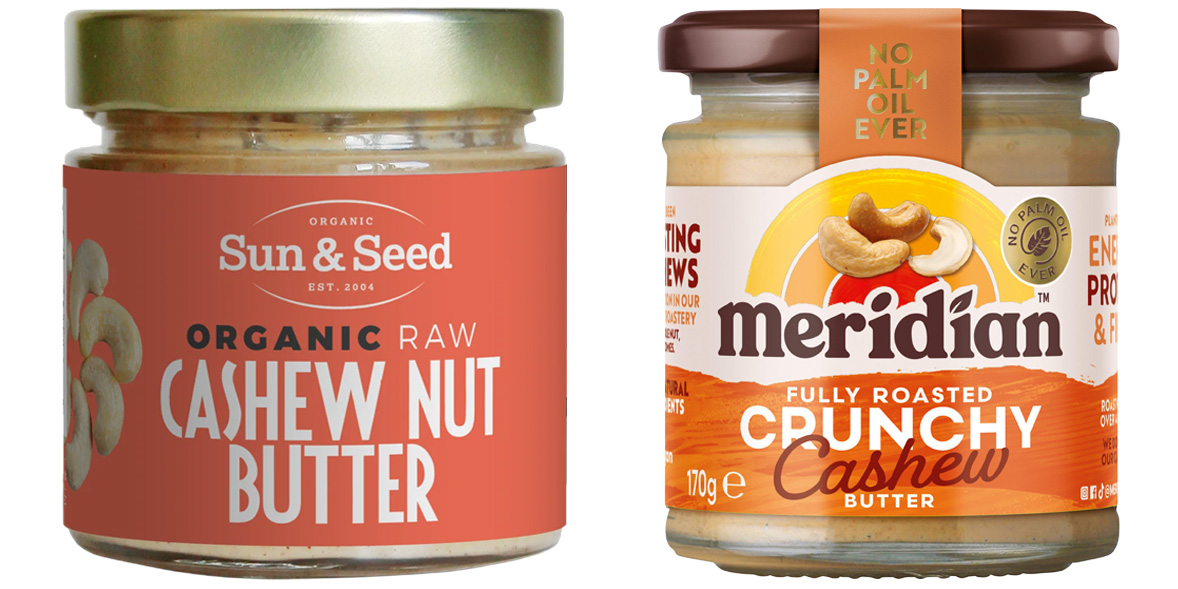 Lidl Maribel Smooth cashew butterSun & Seed Organic Raw cashew nut butterMeridian cashew nut butter
Lowest were Daylesford Organic cashew butter (15.3g protein), Carley’s Organic raw cashew nut butter (17g protein) and Carley’s cashew nut butter (17.4g).
– we've compared protein powders from brands including Applied Nutrition, Bulk and MyProtein to uncover the bestTop nut butters for fibre
Peanut butter
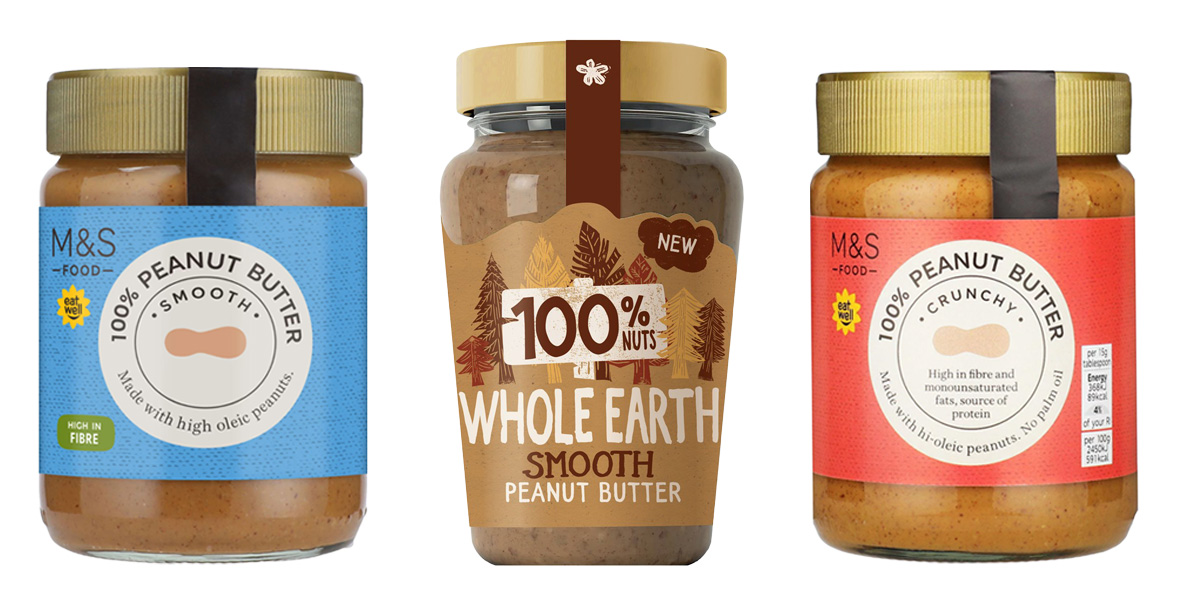 M&S 100% smooth peanut butter Whole Earth 100% Nuts peanut butter, & peanut butterM&S 100% crunchy peanut butter
Five peanut butter products tied for the lowest fibre levels with 5.4g per 100g, namely Duchy Organic crunchy, Aldi Grandessa 100% nuts crunchy and smooth varieties, and Lidl Maribel 100% crunchy and smooth versions.
Almond butter**
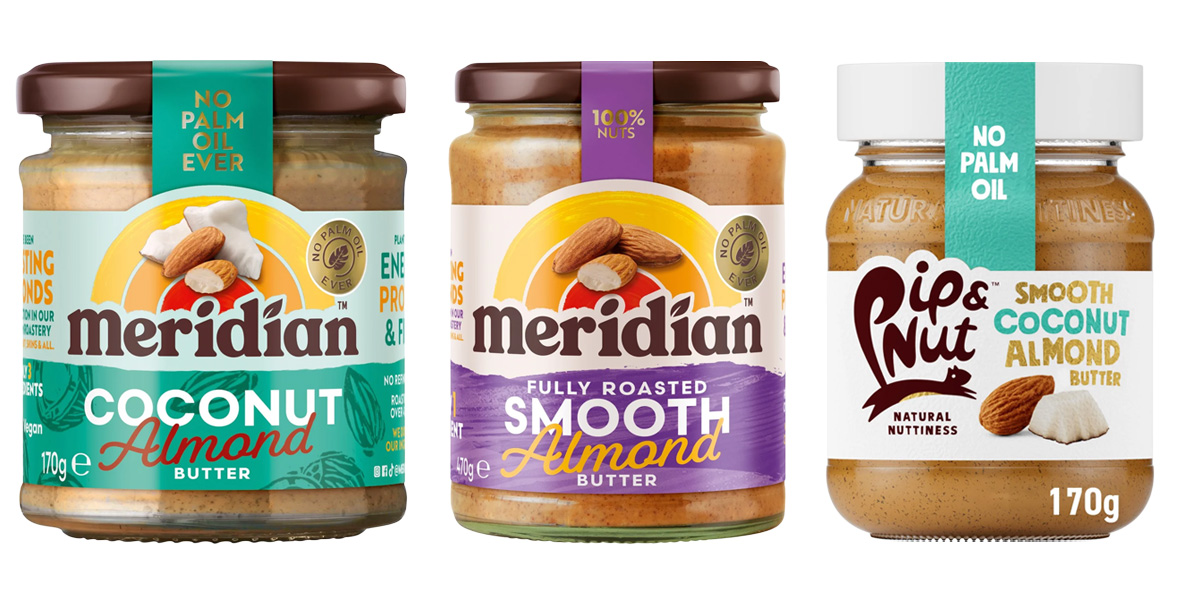 Meridian Coconut almond butterMeridian Smooth fully roasted almond butterPip & Nut Coconut smooth almond butter
Lowest for fibre were Aldi The Foodie Market smooth almond butter (7.1g fibre) and the crunchy variety (7.3g fibre) as well as Lidl Maribel almond butter, which had 8.3g fibre for both smooth and crunchy versions.
**Products are listed in alphabetical order because fibre content is the same for all three.Cashew nut butter**
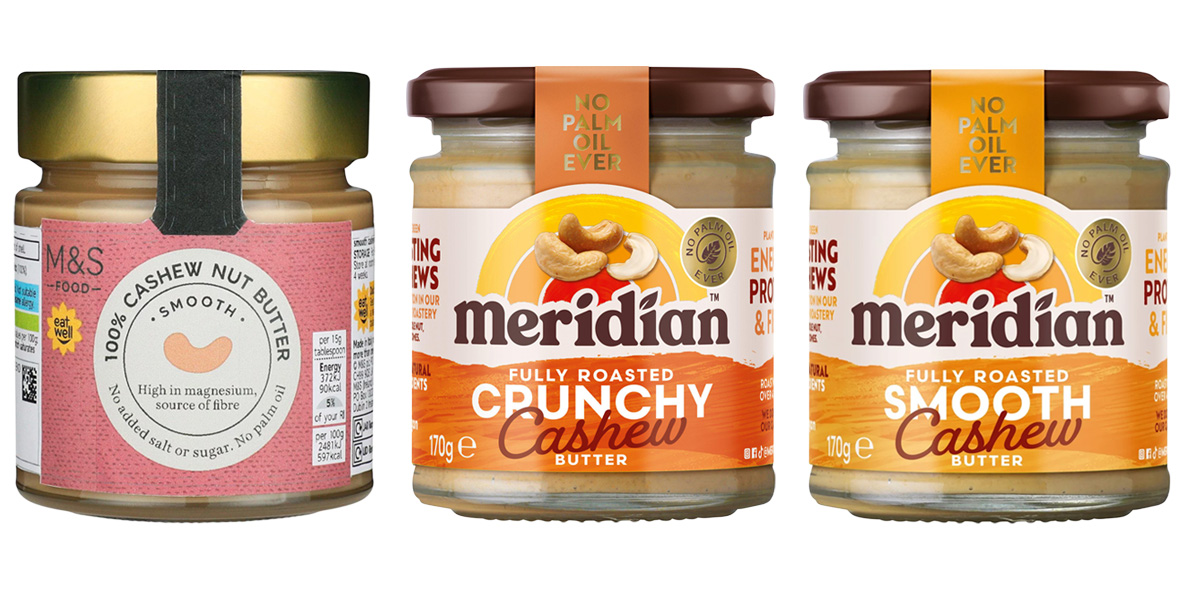 M&S 100% Cashew nut butter smoothMeridian fully roasted crunchy cashew nut butterMeridian fully roasted smooth cashew nut butter
Just falling shy was Lidl Maribel smooth cashew butter, which has 4g fibre per 100g and is the top cashew nut butter for protein (see above).
Lowest for fibre were Carley’s Organic raw cashew nut butter (3g fibre), Daylesford Organic cashew butter (3g fibre) and Carley’s cashew nut butter (3.1g fibre), although across the nine products, there was just 1.3g of fibre difference between the most and least abundant.
**Products are listed in alphabetical order because fibre content is the same for all three. - try these simple, low-cost tips and foods to increase your fibre intake and improve gut healthCrunchy vs smooth nut butters: which is best?
undefined‘In theory, there may be a slight benefit from the crunchy version in keeping you fuller for longer because you are having to chew it,’ says Kirsten, ‘but really it’s unlikely to make a huge difference.’
When we looked, in some cases there were slight differences between a crunchy and smooth version of the same product for values such as protein and fibre, but these were negligible, so really it comes down to personal preference.
- from fibre to probiotics: we asked a gastroenterology professor for some pointersNut butter FAQs

Is nut butter suitable if you’re trying to lose weight?
It can be because its protein, fat and fibre content help curb cravings, stabilise blood sugar and help you feel full, but limit intake to half to one tablespoon daily because it’s also calorific.
Does nut butter cause blood sugar spikes?
Nut butters generally have a low impact on blood sugar, particularly when eaten in moderation and without added sugars.
What should I look for on the ingredients list?
Look for a nut butter with as few ingredients as possible – ideally 100% nuts or thereabouts. Although a nut butter containing, say, 96% nuts will still give you nutritional benefits, the remaining 4% will be from added extras – such as sugar, salt, flavourings or oils added for consistency, flavour or affordability.
Are ‘skin-on’ nut butters best?
The skins are rich in insoluble fibre and antioxidants for heart and gut health.
Meridian product labels specify ‘skins on’, otherwise look for darker, speckled nut butters as these are more likely to contain the skins, too. The higher the fibre, the more likely your nut butter contains skins. Look for fibre of ideally 8.5g or more for peanuts and 10.5g or more for almonds.
Are added sugar varieties still healthy?
Sugar can increase palatability, so if it means you’re more likely to eat a nut butter then go for it – just don’t overdo it. Better to have it as a treat and accrue the benefits of having some nuts in your diet than not at all.
Are palm oil and vegetable oils bad in nut butter?
Added oils in nut butters inevitably reduce the amount of actual nuts present. Some also contain palm oil, which is around 50% saturated fat, so ones with polyunsaturated fats such as sunflower or rapeseed oil are better choices if you’re picking one with added oil.
Is cupboard or fridge best for storing nut butter?
*including 56 peanut butters, 18 almond butters, 9 cashew nut butters and 3 hazelnut butters.source https://www.which.co.uk/news/article/healthiest-nut-butters-for-protein-and-fibre-aRs5E9y5q7QK