
From 'hydration' drinks to soluble sachets, electrolytes are everywhere, with claims to help you rehydrate faster, banish muscle cramps and fix 'mental fog'. But, for most of us, are electrolytes really a genuine boost, or a salty waste of money?
What are electrolytes?
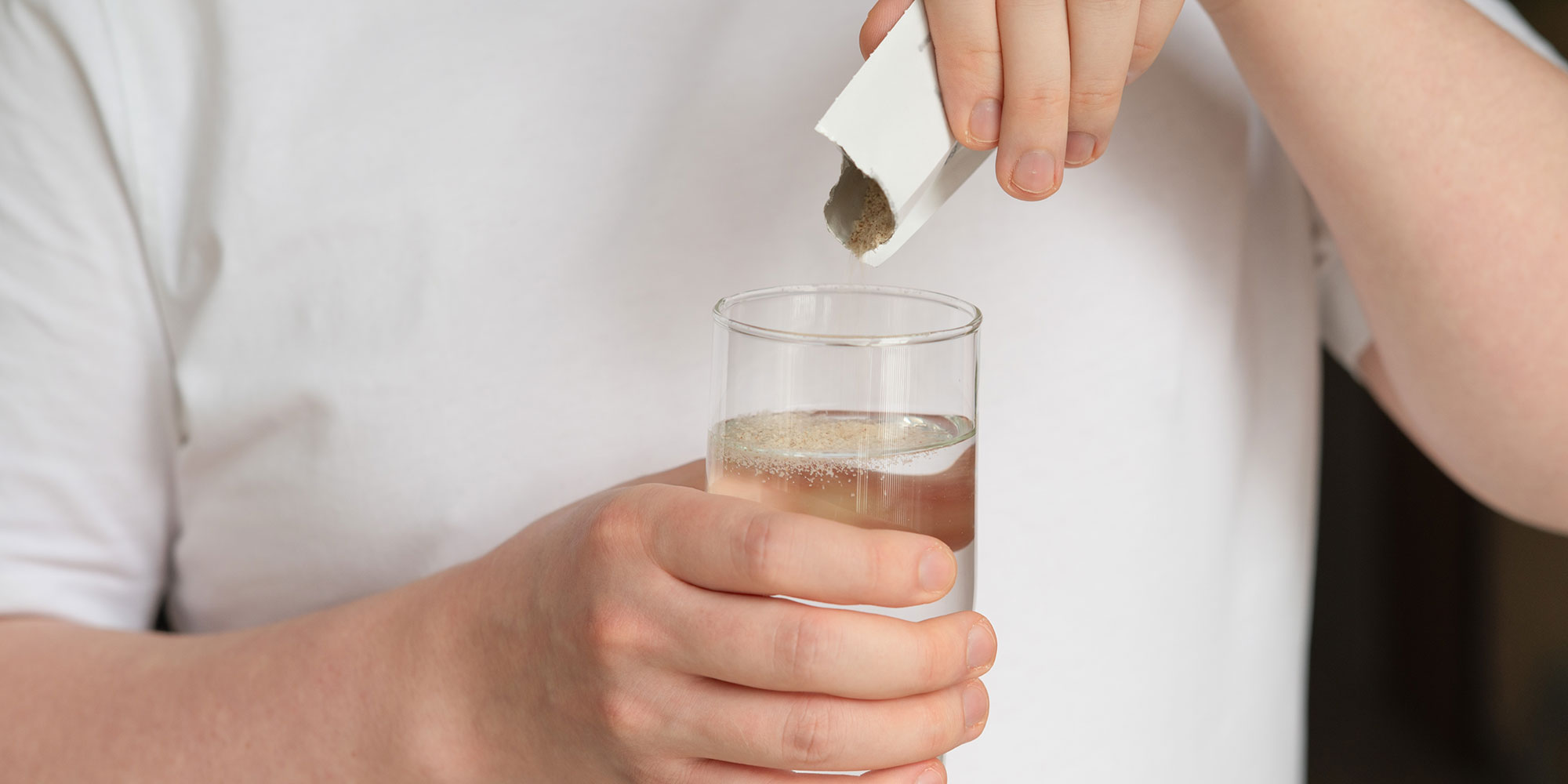
Electrolytes are essential for your body to function. They are minerals – including sodium, potassium, calcium, magnesium, chloride, phosphate and bicarbonate – that carry an electrical charge. Electrolyte is simply the scientific term for salts that have become ionised (electrically charged) when dissolved in water.
These salts play an important role in your body: They help your muscles to contract, your nerves to fire and your body to maintain the right fluid balance. Examples include:
Who actually needs an electrolyte supplement?

The ads promoting electrolyte tablets and powders would have you believe that something as gentle as a 20-minute stroll in the park requires a special recovery drink. But the truth is thatr our bodies are remarkably efficient at maintaining their own mineral balance through diet alone, so for everyday exercise or activity you're unlikely to require additional support.
So, if your exercise routine tends to consist of activities like light yoga, a brisk 30-minute walk or a moderate gym session, you almost certainly don't need an electrolyte supplement. Tap water is the most cost-effective and healthiest way to stay hydrated.
If you're already at your optimal levels and you consume an electrolyte drink or supplement, your kidneys will simply filter out the excess. In short: if you don’t need them, you're literally flushing your money away.
However, there are some cases where electrolytes may be beneficial:
High-intensity exercise
If you're exercising intensely for more than 60 to 90 minutes — such as long-distance running or cycling — you can lose significant amounts of sodium through sweat.
Some people are more ‘salty’ sweaters than others. This may come down to genetics, fitness levels, heat acclimation and many other factors. But if your sodium levels do drop too low, you might experience muscle cramps, headaches or extreme fatigue.
In these cases, electrolyte supplementation might help maintain performance, minimise side effects and — in extreme cases — prevent hyponatremia (a dangerous drop in blood sodium). If you see white salt streaks on your clothes after a workout, that can be a sign that you're a ‘salty’ sweater.
Recovering from an illness
Electrolytes aren't just for high-intensity athletes. If you're suffering, or recovering from, a bout of vomiting or diarrhoea, your body loses fluids and salts faster than you can replace them through food.
Being active in very hot conditions
If you're working or exercising in high humidity or temperatures above 30°C, your sweat rate increases considerably. Even with moderate activity, the sheer volume of fluid loss may justify an electrolyte drink to help your body retain the water you’re drinking.
Choosing the best electrolytes
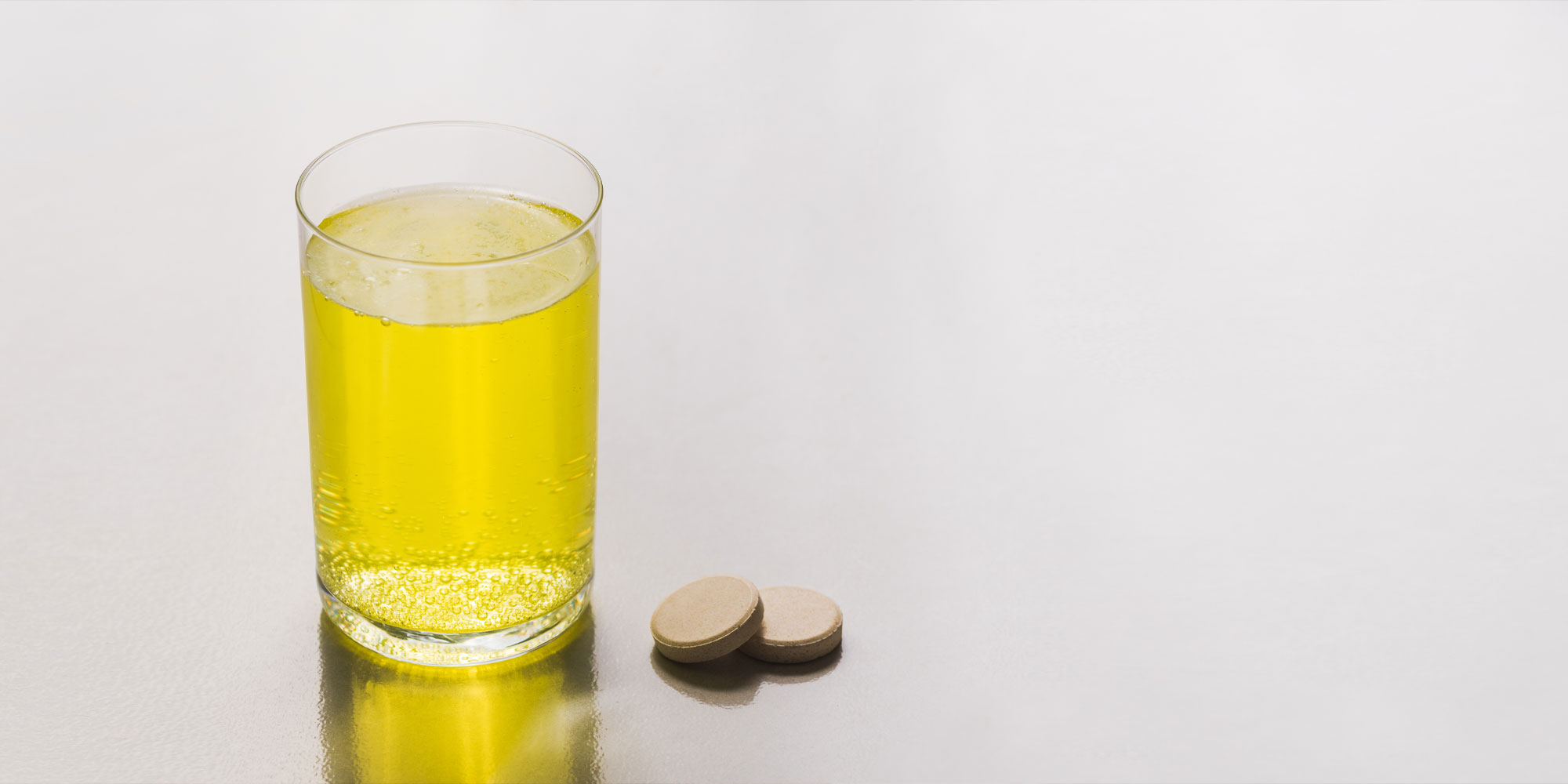
Electrolytes come in many forms, but a flashy pack doesn’t always mean a high quality product. Not all electrolyte products are created equal. Some might be designed for elite endurance, while others are essentially just ‘wellness’ drinks. Here are some things to watch out for:
Too much sugarMany popular sports drinks contain sugar — both because it helps the body to absorb sodium faster, and because it makes it taste better. But some 500ml bottles can contain up to 30g of sugar, which is your entire recommended daily maximum amount of free sugars.
Not enough mineralsFor a supplement to be effective after a heavy sweat, it needs to contain a meaningful amount of sodium. Some hydration drinks contain only trace amounts of minerals — often less than you’d get from a glass of mineral water.
If you're looking to replenish lost sodium from intensive exercise or sweating, look for at least 200-500mg per serving. If the label lists magnesium or potassium at less than 5% of your Daily Reference Intake (RI), it’s likely there for marketing purposes rather than health benefits.
Hidden fillers and fizzEffervescent tablets (the type that fizz in water) are convenient but they require binding agents and acids to create that fizz. Some people find that the citric acid or sorbitol (a sugar alcohol) used in these tablets can cause bloating or an upset stomach during exercise.
If you have a sensitive stomach, look for electrolyte capsules or unflavoured powders, which tend to have fewer additives and extra unnecessary ingredients.
Where to buy electrolytes
You can buy electrolyte supplements at most supermarkets, pharmacies and some convenience stores.
We've rounded up some of the most widely available and popular electrolytes below. Please note that we haven't tested or reviewed these products, so inclusion here doesn't constitute a recommendation.
1. Applied Nutrition Electrolyte Hydration
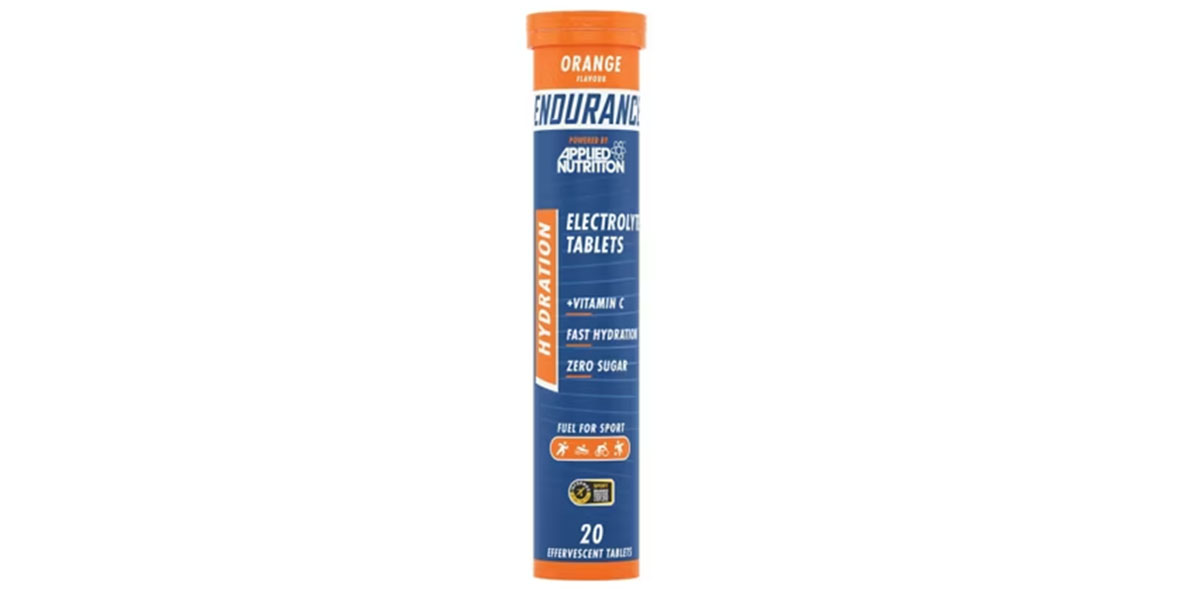 Form:Flavour
undefined
2. Humantra Zero Sugar Electrolyte drink
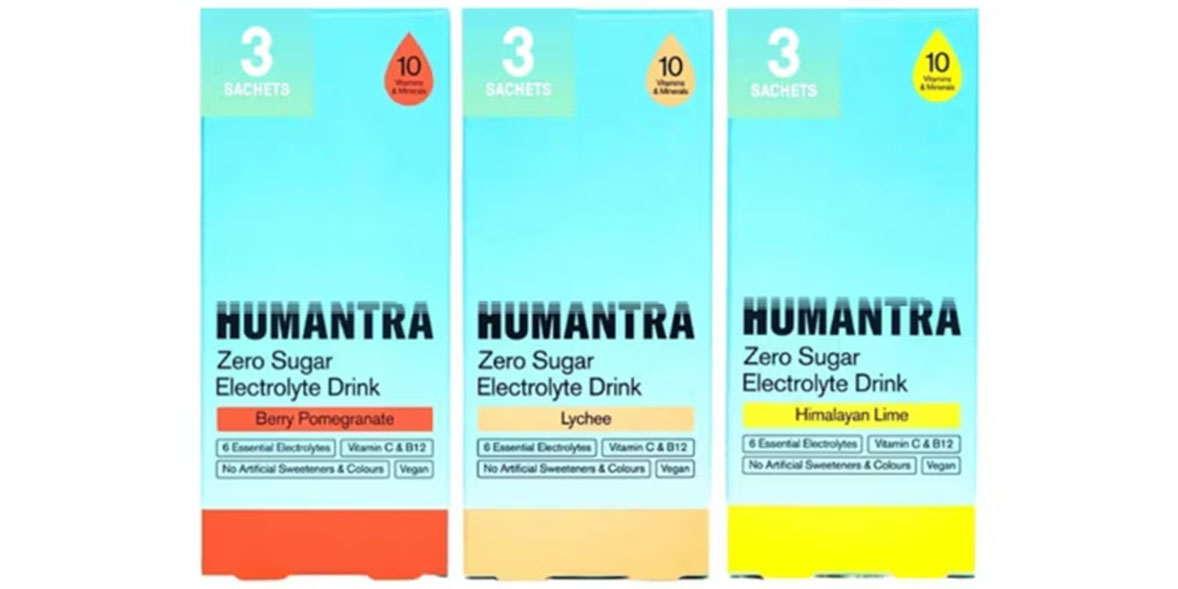 Form: Flavours
3. O.R.S Hydration
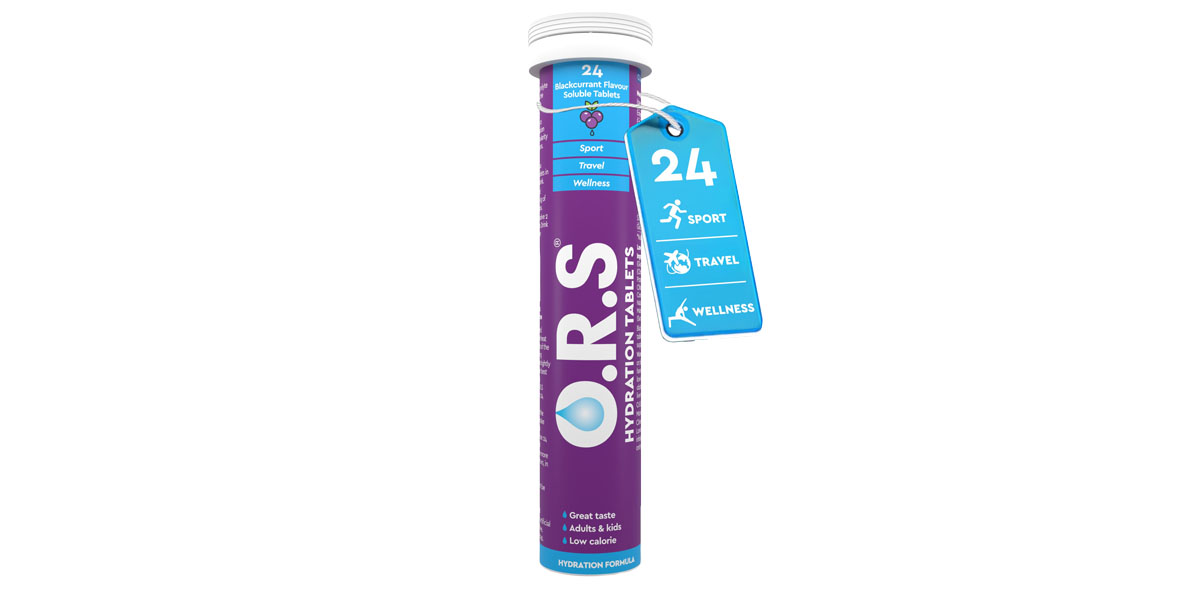
Type: Tablets (24 per pack)
Flavours4. Vidrate Hydration Enhanced
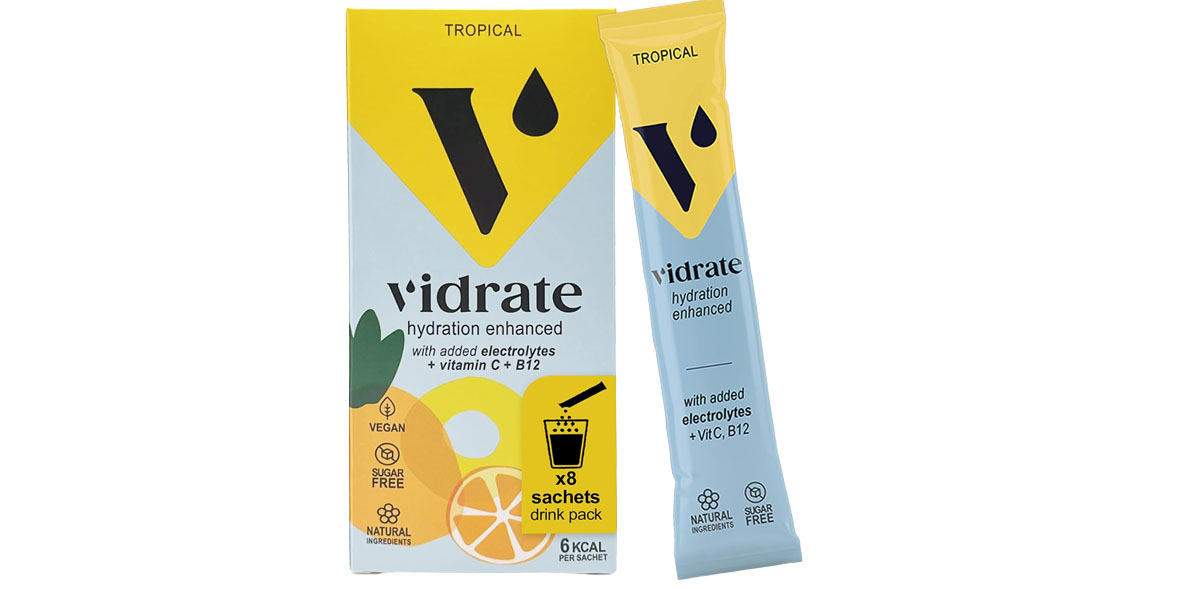
Type: Powder sachets (8 per pack)
Flavours: Tropical, also comes in wide variety of fruit flavours
undefined5. Science in Sport Hydro+ Electrolytes
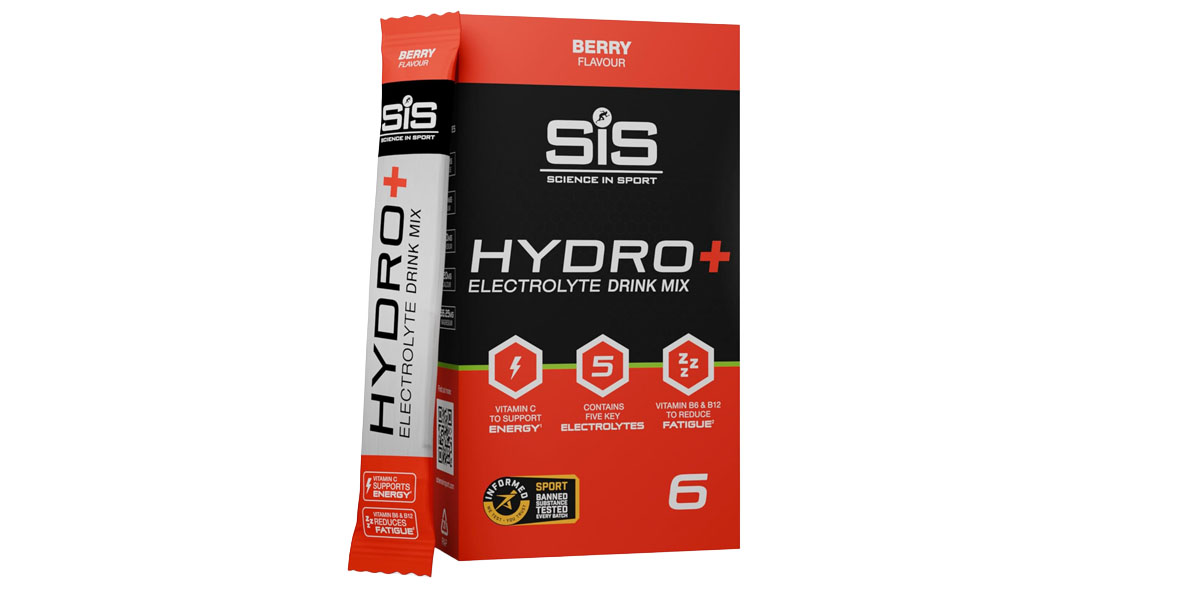
Type: Sachets (6 per pack)
Flavours: Berry, also comes in lemon, orange & mango
6. Wellthy by Boots Daily Hydration +
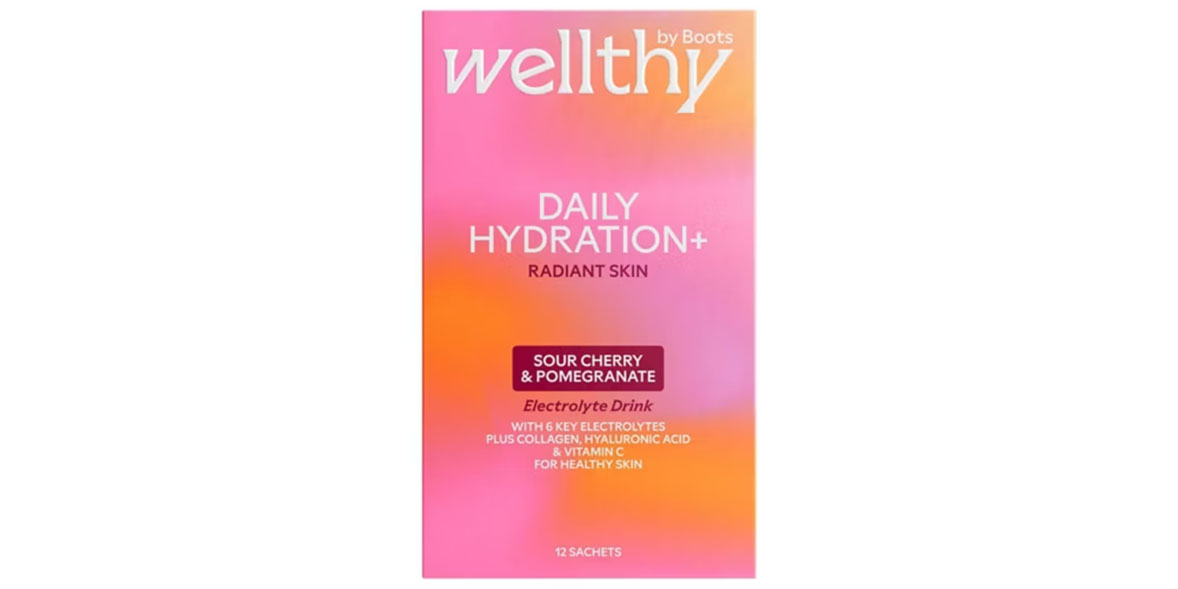
Type: Powder sachet (12 per pack)
Flavour: Sour cherry and pomegranate, also comes in wide variety of other fruit flavours
undefinedundefinedundefinedBest food sources for electrolytes

If you aren’t running marathons or sweating heavily enough to require extra electrolytes, you should be able to easily get enough as part of your normal diet. Here are some of the best sources:
PotassiumMagnesium:CalciumSodiumCoconut water, meanwhile, is naturally high in potassium and supports general hydration. However, it's relatively low in sodium, so for heavy sweaters or endurance athletes it may not adequately replace sodium lost through sweat.
– how to get the most from your dietAre there any risks to taking electrolytes?
Just because electrolytes are associated with fitness and recovery, it doesn’t mean they are universally good for you. Here's what to watch out for:
1. Blood pressure and sodium intakeMost electrolyte supplements are, at their core, salt. The average UK adult already consumes more than the recommended maximum 6g of salt per day.
If you've been told to watch your salt intake – for example, if you have high blood pressure or kidney issues – it's worth checking with a health professional before using electrolyte supplements.
2. Impact on your teethMany effervescent tablets and sports drinks are highly acidic (often containing citric acid) and loaded with sugar or artificial sweeteners. Sipping on these throughout the day, or when your mouth is dry during a workout, can impact tooth enamel.
If you do use them, try to drink them in one go, rather than sipping over several hours, and rinse your mouth with plain water afterwards.
3. Stomach irritationIronically, the very supplements meant to help you perform can sometimes ruin your workout. High concentrations of certain minerals – particularly magnesium – can have a laxative effect on some people.
Additionally, ‘sugar free’ options use sweeteners like sorbitol or xylitol, which are also known to cause bloating, gas and cramping during high-intensity exercise.
4. Interaction with medicationsElectrolytes are chemically active minerals that can interfere with certain drugs.
High doses of potassium can be dangerous for people taking certain blood pressure medications (like ACE inhibitors) or potassium-sparing diuretics.
Calcium and magnesium can sometimes affect the absorption of certain antibiotics or osteoporosis medications.
When to see a doctor
For most of us, our bodies are very well equipped to manage electrolyte levels, and outside of very intense exercise or weather conditions you're unlikely to need extra support.
However, if you're concerned you have persistent symptoms of an electrolyte imbalance, such as tiredness, leg cramps or dizziness, it's worth getting your symptoms checked out, as they are non-specific and could be caused by a number of issues.
Final verdict on electrolytes
Consider using if:Skip them if:source https://www.which.co.uk/news/article/do-you-really-need-electrolyte-supplements-aE2bk0l5AudU