
But does it actually work, and do you really need a dose that's 10,000% of the daily reference value (NRV)? We've delved into the evidence and asked the experts to find out.
Read on to discover what it actually can do, how much you need and what to watch out for.
- discover our expert recommendations for the one supplement everyone is recommended to takeWhat is biotin?
Biotin is another name for vitamin B7. It’s a water-soluble vitamin that is one of the eight B vitamins.
B7’s role is to help convert food into energy, and it is also essential for the production of keratin, the protein that makes up your skin, hair and nails.
It's because of this connection that it's frequently found in everything from gummy supplements that promise to 'glow up' your hair and skin to fortified juices and even high-end shampoos.
Marketing claims for these sorts of supplements often claim biotin will restore and boost your hair growth, strengthen your nails and give your skin a healthy glow.
Our biotin experts
As part of our research into biotin supplements, we looked into the available clinical research and evidence, checked what health claims are approved for biotin and asked two consultant dermatologists with expertise in hair and nail issues for their expert input.

Our experts are:
- -So, do biotin beauty claims stack up?
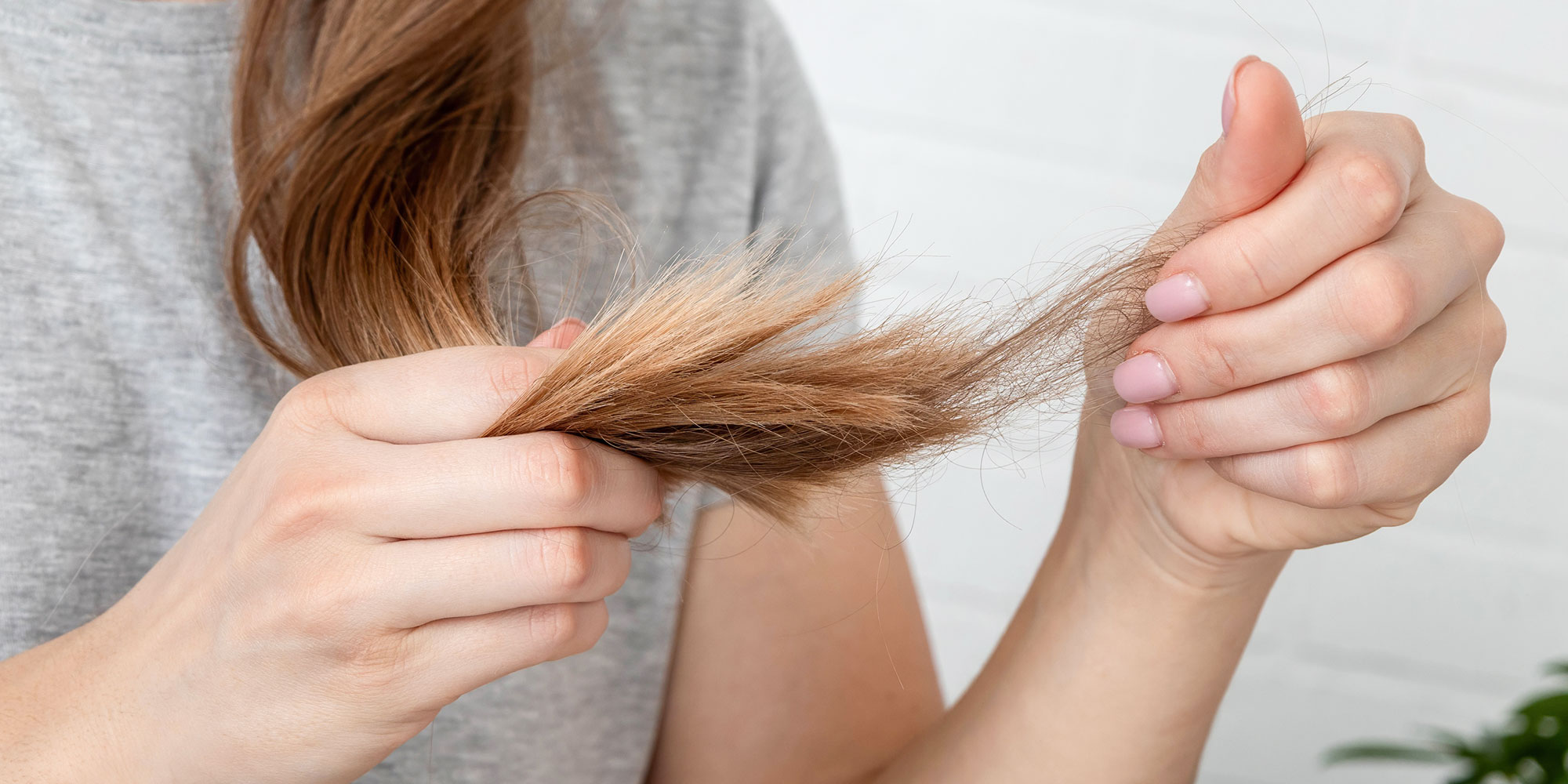
Not really. Biotin is essential for healthy hair and nails, but unless you have a genuine deficiency, which is rare, taking extra supplements is unlikely to have much impact.
Consultant dermatologist and hair/scalp expert Dr Sharon Wong says: 'Both clinical studies and real-world experience with patients demonstrate that supplementing in the absence of a deficiency confers no benefit in improving hair growth.'
However, the key word here is maintenance. If you already have a healthy, normal baseline, biotin simply keeps it there. In other words, while it will maintain your already healthy hair, it will not thicken it or repair damage. There is a big difference between the legal definition of maintenance. and marketing claims of a Rapunzel-like transformation.
Biotin: evidence vs claims
When we looked closer, we didn't find much convincing evidence that biotin would have results beyond the standard maintenance of healthy hair and skin. And it's worth noting there are no approved claims for nails.
Hair:NailsSkin: We review the evidence for its impact on skin, hair and jointsHow common is biotin deficiency?
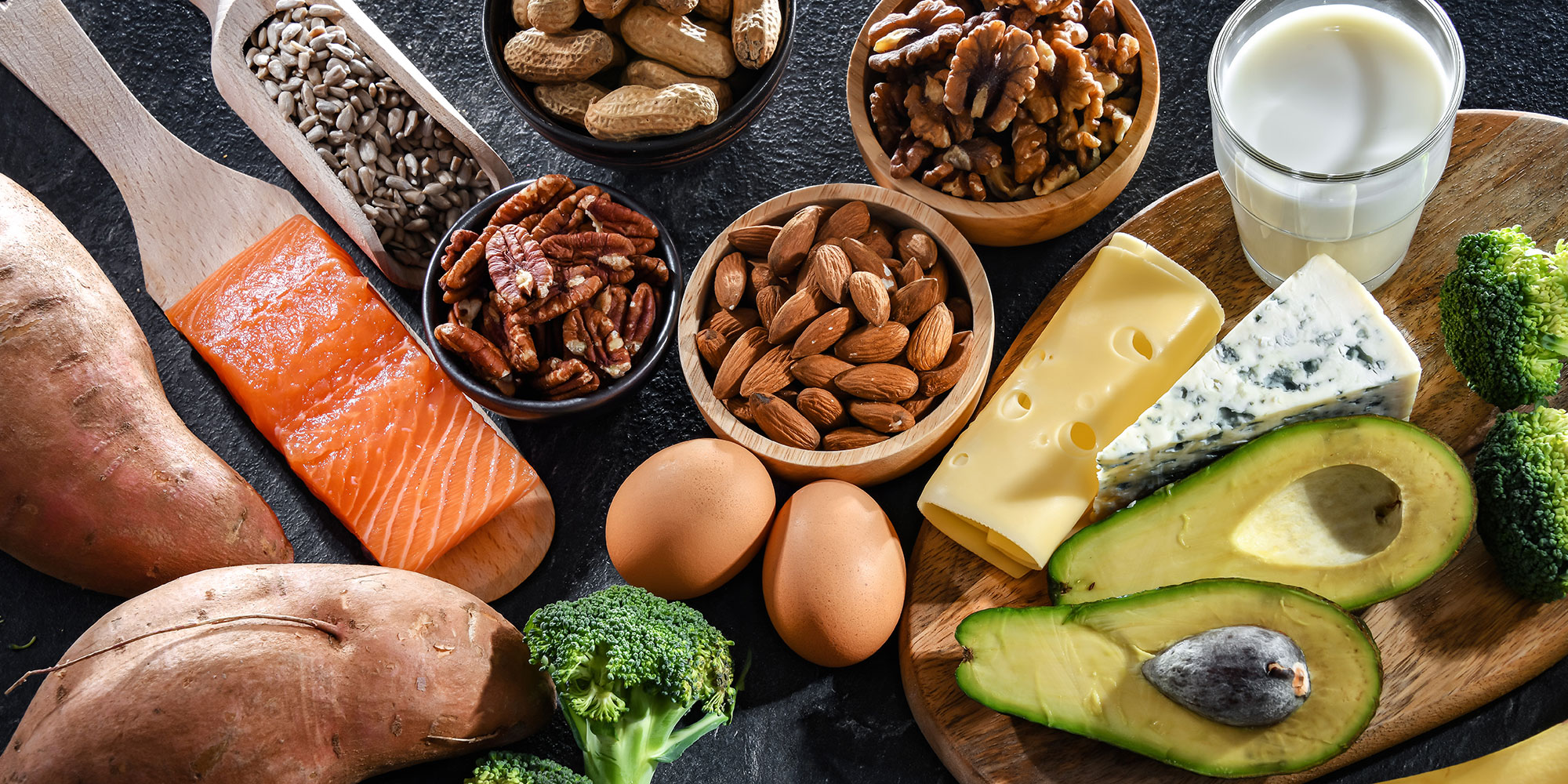
True biotin deficiency is very rare. This is partly because biotin is found in many everyday foods, from bread to nuts, and partly because your large intestine is actually a sort of biotin factory. Friendly bacteria synthesise biotin from scratch in your gut, as they ferment the fibre you eat.
Your body also does an excellent and efficient job of recycling the biotin it already has, freeing it up to be used again. So even if your diet temporarily lacks biotin, your body can use what it already has.
If you aren't deficient, your body simply flushes the excess out, meaning the money you spend on high-strength supplements is essentially flushed down the toilet.
Biotin supplements and blood tests: what you need to know
There's a relatively little-known side effect of taking biotin supplements that's worth being aware of: it can interfere with blood test results, potentially impacting your wider health.
We asked consultant dermatologist Dr Leila Asfour for her advice, and she said: 'If you are not deficient, ie have a clinical need to take biotin, then we would not recommend taking it.
Because lab tests often use biotin as a binder, having high levels in your blood can cause:
False-negative heart attack tests: Thyroid confusion:Biotin is also used as a marker in hormone tests, so it could skew results relating to pregnancy, fertility and endocrine disorders.
If you are taking biotin or a supplement that contains it, tell your doctor in advance if they recommend you have any blood tests.
The verdict on biotin
For most healthy adults, biotin supplements are a waste of money.
Dr Sharon Wong confirms: 'Taking supplements without understanding the contributory factor(s) can delay the diagnosis and therefore starting targeted treatment to address the root cause. It is a scenario I encounter very frequently – months to years of endless trying of products and supplements with no results. Furthermore, over-supplementing with biotin can lead to skewed lab tests, including thyroid and heart health markers.'
What to do instead:
For hair: For skinFor nailsIf you do still want to try biotin, don't buy the expensive 10,000mcg ‘mega-doses’. A standard multivitamin (50mcg–100mcg) is more than enough. And most importantly: stop taking it 72 hours before any blood test and always tell your doctor you are using it.
source https://www.which.co.uk/news/article/is-biotin-really-the-secret-to-great-skin-hair-and-nails-aFki35A78oWD