
Macmillan’s proposal – for a bond that rewards savers with the chance to win tax-free prizes, instead of interest – was designed to encourage more people to save.
Fast-forward 70 years, and one in three people in the UK hold premium bonds – and they’re even more cherished among Which? members: 80% of the members we surveyed said they currently hold premium bonds or have held them in the past, while 40% said they’ve held them continuously for more than 50 years.
So what draws all these people to premium bonds, and why do they stay? We spoke to loyal bondholders and delved into NS&I's archives to discover more about this extraordinary savings success story.
Premium bonds turn 70
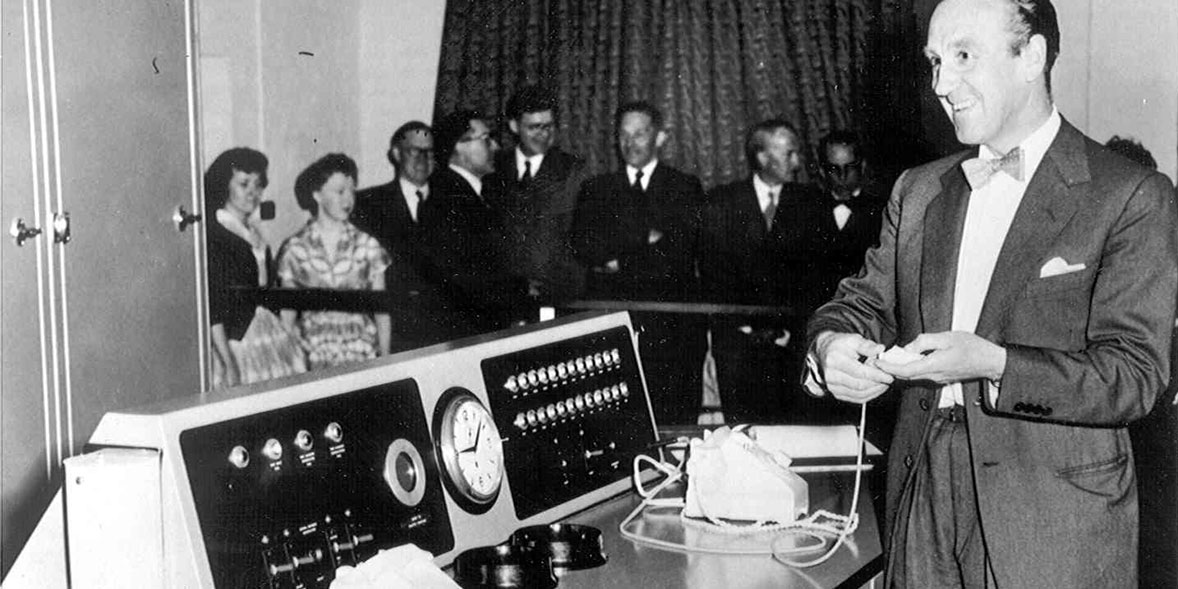
Macmillan's Budget speech gives a fascinating glimpse of life in 1950s Britain. It highlights the logistical challenge of printing a large number of paper bonds, as well as running the prize draw itself (at this point, Baby – the world’s first stored-program electronic computer – wasn't yet 10 years old).
The hypothetical premium bond customer is referred to exclusively as ‘he’. And the Chancellor’s insistence that his proposal – for a bond that rewards savers with the chance to win tax-free prizes, instead of interest – isn’t a lottery reflects commonly held religious and moral attitudes towards gambling at the time.
Despite those attitudes, premium bonds proved an instant hit with the public: £49m worth of bonds held by six million savers were eligible for the first draw in June 1957, which offered a £1,000 jackpot (worth around £21,000 today). The computer that powered the draw weighed as much as a small car and took nearly three days to select the 23,142 winning numbers.
Fast forward 70 years, and prize draws now take less than 15 minutes, powered by a quantum computing chip roughly the size of a fingernail, while bondholders can check their winnings via their smartphone.
But premium bonds remain as popular as ever: the total won in tax-free prizes by bondholders reached £40bn in February 2026.
Saving made more exciting
Instead of earning interest, bonds are entered into a monthly draw.
The amount paid out each month is determined by the annual prize rate, which fell from 3.6% to 3.3% following April’s draw. The total value of the monthly prize pot is calculated as one month’s interest on the value of all eligible bonds: around 6m tax-free prizes were given out in recent draws, ranging from £25 to £1m.
When we asked our members why they hold premium bonds, many mentioned the ‘fun’, ‘thrill’ and ‘excitement of a little flutter each month’.
Some even forgo sleep to check their winnings as soon as possible: ‘At 10 minutes past midnight on the appointed results day, my little WhatsApp group exchanges news of how much (if anything) we have won’, one reader said.
In 1994, the savings bank upped the ante with the introduction of the £1m pound jackpot and Agent Million, the mysterious figures who travel the country delivering news to lucky winners. Their identity is kept secret, even within the organisation, to protect the confidentiality of the winners.
‘I think it’s the coolest job’, says Andrew Westhead, retail director at NS&I. ‘They will hand-deliver the news… the reactions are as you would expect: disbelief, joy, tears of happiness and shock. Lots and lots of shock.’
Emotional ties
Over a quarter of members who have held or currently hold premium bonds told us they’ve held them for more than 60 years. Many were given bonds as children and have stuck with them ever since: One reader said: ‘My bonds were bought for me by my parents…it's not a large holding, but a bit sentimental.'
Westhead said: ‘People go to their premium bonds as a last resort. They will always go to other savings accounts first. Our assumption is it’s because they’re just slightly more cherished.’
For some, like Which? member Tim Cross, early premium bonds are a precious link to loved ones who have died.
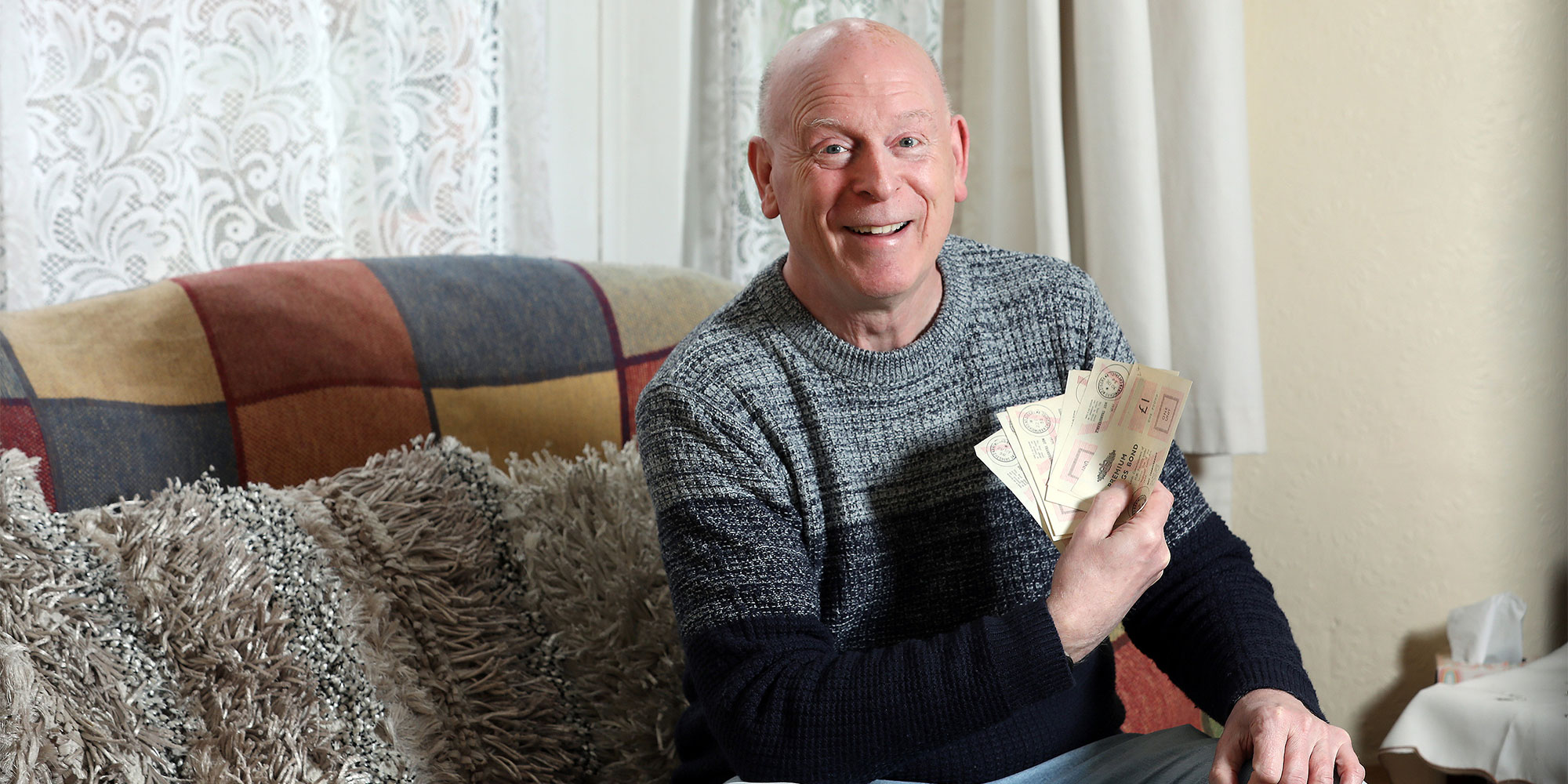
His mum bought £14 worth for him and his sisters in 1958, when Tim was just 18 months old. Tim still has the original paper bonds, along with two holders’ cards – one with his name and one with his mother’s.
Tim said he checks his bond numbers every now and then, but has never won a prize. (Based on the current odds, the chances of winning at least one prize in 67 years with a £14 holding are around four in 10. And thanks to inflation, Tim’s bonds are now worth about 5% of what his mum spent on them).
Despite the odds, Tim said he couldn’t imagine cashing them in – mainly because of the link they hold to his mum: ‘There’s a sentimental attachment to them. When you lose your parents, it’s the little things that you hold on to.’
Your chances of winning
Premium bonds offer the excitement of a big win – but you could end up with nothing at all, and the likelihood of winning a prize isn’t always well understood.
In our survey, only one in six of those who currently hold premium bonds correctly identified the odds for each £1 bond held, and more than half said they don’t know or can’t remember.
As of April’s draw, the odds of 23,000 to 1 – and the more bonds you hold, the better your chances. This chart shows the chances of winning a prize based on the value of the premium bonds you hold.
If you hold a small amount, it’s extremely unlikely that you’ll win anything: a £100 holding gives you just a 5% chance of winning at least one prize over a year.
As of January, NS&I says the average amount held in premium bonds is £5,867. Someone holding this amount can expect to win around three prizes a year, but they’re most likely to be low value (most of the prizes paid out are between £25 and £100). Paying the same amount into one of the top instant-access savings accounts (Tembo Money currently offers 4.75%) would earn you £285 in the first year.
Premium bonds become a better bet the higher your tax bracket, assuming you’ve already used up your Isa allowance: if you're an additional-rate taxpayer and hold the maximum £50,000 in premium bonds you’ve got a decent chance of earning more from prizes than you would in a traditional savings account, once you factor in the tax you’d have to pay on this interest.
Find out more:Will premium bonds become even more popular?
Their tax-free status is likely to encourage more savers to buy premium bonds, as the cash Isa allowance is set to be cut from £20,000 to £12,000 for savers under the age of 65 from April 2027.
Many savers would likely buy more if they could: one in seven past or present premium bond holders in our survey said the £50,000 limit was one of the main downsides.
As of April 2025, more than 1.3 million customers held the maximum amount of premium bonds, with the number of customers holding £50,000 increasing by 26% between 2022 and 2025, according to NS&I figures.
But NS&I told us that this limit, which has been the same since 2015, isn’t going to change any time soon – and for good reason – as raising it would further skew the draw towards richer savers. Someone holding £50,000 can expect to win 26 prizes per year, while the average holding of a £1m jackpot winner was £26,063 as of January.
Andrew Westhead said: ‘We’ve got no plans to change the £50,000 limit. Bonds were introduced to provide accessible savings for everyday savers… and we need to make sure the chance to win is fair.’
Our research: We surveyed 1,232 Which? Connect panel members in November 2025. In January, we visited NS&I and interviewed retail director Andrew Westhead.source https://www.which.co.uk/news/article/premium-bonds-turn-70-how-they-stole-the-hearts-of-uk-savers-a2Pyy2z6ErPb