
Data published this week shows it’s the primary reason people seek financial advice: 69% of all advice firms’ clients were looking to get help with pensions and retirement, according to the FCA’s 2025 Financial Advice survey.
But advice can be expensive, and it’s not always easy to determine from the outset whether it will be worth it – or to find the kind of support you want.
In this article, we hear from Which? members who sought financial advice to help with their pension planning and explain what you need to know if you’re considering doing the same.
Do you need a financial adviser for pension planning?
If you have a DC pension, you’ll need to decide whether to buy an annuity, withdraw income as you need it or take a lump sum as cash, or any combination of the three.
But savers struggle with the choice: three out of four people aged 45 or over with a DC pension don’t have a clear plan for how to access their savings, according to research from the Financial Conduct Authority (FCA).
Financial advice for pensions isn’t mandatory and you can make these decisions yourself, making use of free guidance and information from your pension provider and employer.
However, you’re legally required to take financial advice if you want to transfer a defined benefit pension with a transfer value of £30,000 or more (in most cases you're better off leaving these types of pensions where they are).
Find out more‘I was aware there were mistakes I could make’
Good financial advice can not only help you maximise your pension savings but also provide confidence and reassurance in your decisions.
Which? member Guy Simpson took voluntary redundancy shortly before he planned to retire and missed out on his planned approach to retirement as a result (Guy’s company offered a phased retirement along with seminars and classes to help manage the transition).
Guy said he wanted help deciding how to manage his retirement income as there was a lot going on: he had a defined contribution pension, a defined benefit pension and some compensation from a mis-sold pension.
He said the adviser he chose wasn’t the cheapest – Guy was charged 1.5% of the funds transferred on the basis of the firm’s advice and an ongoing annual fee of 0.75% of the total fund – but overall he feels he’s made better decisions as a result.
‘If it was up to me I would have taken out an annuity, but I didn’t know that rates were poor at the time. My adviser told me to wait, and I struck while the iron was hot when rates improved,’ he told us.
Find out more:The cost of advice
Good financial advice can end up paying for itself, but the cost is a barrier for many: three in 10 adults surveyed for The Lang Cat's 2025 Advice Gap report cited advice being too expensive as a reason they might not choose to get it.
Six in 10 firms charge between 0.5% and 0.75% per year for ongoing advice, according to the Schroders 2025 Financial Advice Survey, and it can be hard to find advice for less: the proportion of firms charging up to 0.5% for ongoing financial advice has fallen dramatically over the past decade, from 44% in 2014 to 5% in 2025.
To put these figures into more tangible terms, if you received advice on a £100,000 pension pot, you could expect to pay between £1,000 and £3,000 initially and between £500 and £1,000 per year after that.
It's important to regularly review whether advice is worth it, given the costs. One Which? member said that while the initial pension advice they received from their adviser was excellent, the return on their investments didn’t justify the ongoing fees.
The advice gap
The size of your pension pot can be another barrier, as some advisers will only take on clients with significant sums. One Which? member told us that he had found it difficult to obtain advice for a pension worth under £50,000, as most advisers local to him required a pot worth £50,000 or more. He added that the lack of upfront information about fees can make it difficult to assess whether advice is worthwhile.
According to research by The Lang Cat, just under two thirds of advisers have a minimum asset requirement. While this is often a guideline rather than a strict threshold, the mode average amount is £100,000.
The proportion of advisers who will work with someone with less than £50,000 has fallen rapidly in recent years, from 52% in 2019 to 25% in 2025, according to the 2025 Schroders UK Financial Adviser Survey.
While regulation has brought much-needed protection for consumers, it has played a part in widening the gap: the 2012 Retail Distribution Review means advisers now earn less from commission and are more reliant on fees. As most advisers charge on a percentage basis, advising those with smaller pots is less profitable.
Find out more: undefined‘It was hard to find advice on a one-off basis’

While it is possible to get one-off advice, the industry is heavily geared towards ongoing services: around nine in 10 clients receive ongoing advice, according to the FCA’s 2025 Financial Adviser Survey.
Which? member Tim Hall told us he struggled to find one-off advice to help him understand the rules around one of his pensions.
Tim sought advice last year when he learnt that the pension, which was set up in the late 1980s, had a scheme-specific allowance for an additional amount of tax-free cash and he was concerned (rightly, as it turned out) that there might be additional constraints relating to it.
Under current rules you can take up to 25% of your pension as a tax-free lump sum once you turn 55, as long as the total amount doesn’t exceed £268,275 across all your pots. You may be able to take more than that if you had a pension before April 2006 with a specific lump sum entitlement, but there are conditions attached, and the order in which you take lump sums from your pensions matters.
Tim said when he approached independent financial advisers he struggled to find the kind of advice he wanted. ‘I felt confident with the bread and butter of managing my own money, but I wanted to get one-off advice to help me understand this particular detail around my pension,’ Tim told us. ‘Everyone I spoke to wanted to manage all my assets and it would cost a lot – it was a fairly frustrating process.'
Tim said he did find one advisor who offered the service he wanted, but she had a long lead time for taking on new clients.
Tim ended up working with his pension provider (who had recently taken over the scheme in question) to understand his options: ‘It took a couple of months to work out how the conditions applied to my case and I was banging my head against the lack of good information. I’m not a pensions expert but I had to become an expert in my pension,’ he said.
‘Work out what you want to get from the initial meeting’
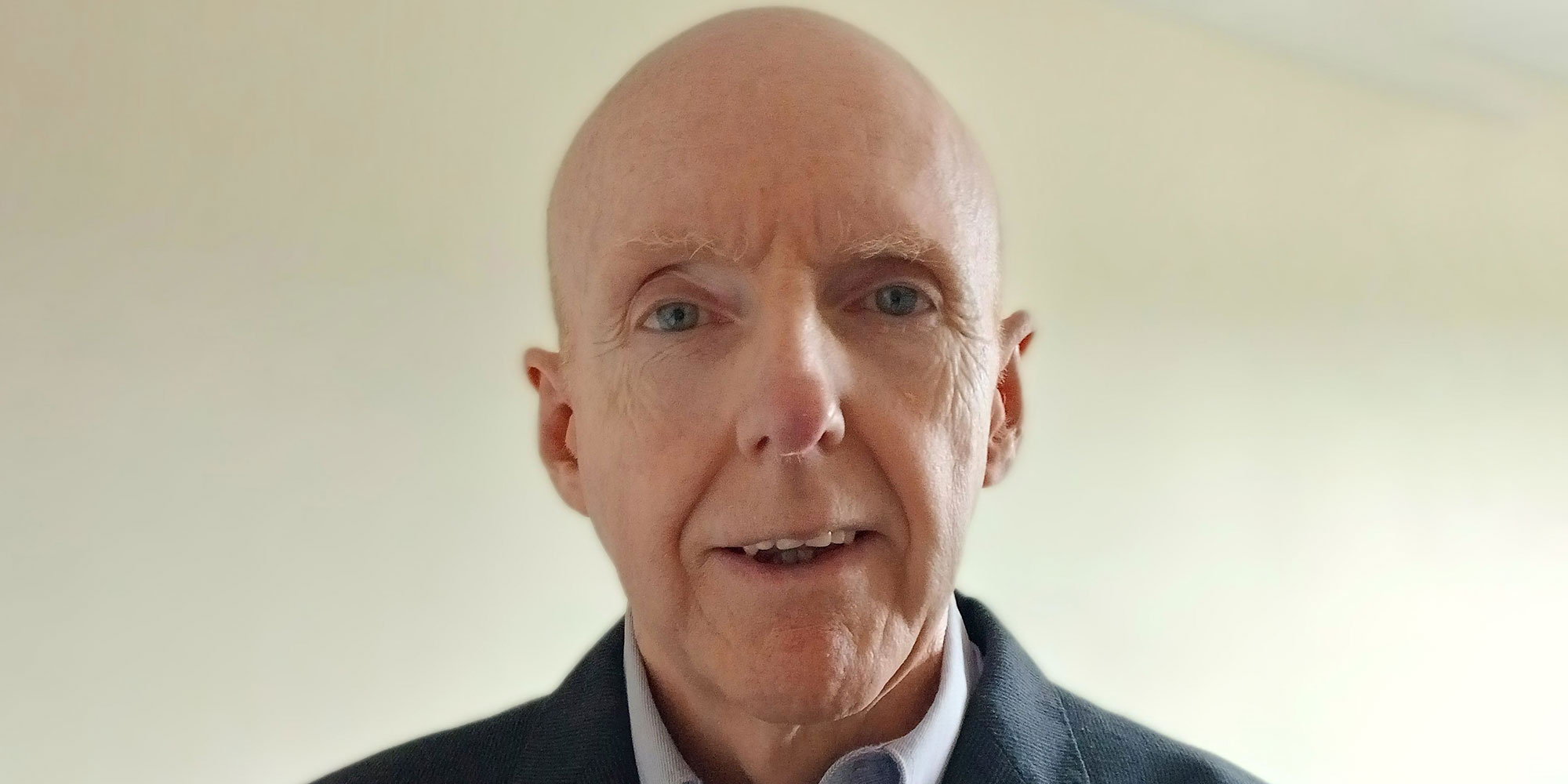
Which? member Paul Rogers told us that financial advice has put him in a better position to manage his finances, but he recommends giving it a lot of thought first.
Paul had two free sessions with Pension Wise, the government-backed guidance service, which he says were crucial in building his confidence and clarifying his thoughts.
These sessions, along with online research, gave Paul an idea of how he wanted to manage his retirement income. But he wanted an adviser to let him know if there were other options he wasn’t aware of.
Paul said the experience has given him confidence he was on the right track, but says it’s important to work out what you want from advice before pursuing it: ‘Spend some time looking at your outgoings, your commitments and anything that’s coming up on the horizon and work out what you want to get from the initial meeting.'
source https://www.which.co.uk/news/article/should-you-get-financial-advice-to-help-with-your-pension-planning-aQ2Ay7N9I152