
It does the hard work, and you go off and make a coffee or watch some TV. But then it meets a cable, a corner, or a particularly stubborn bit of carpet and suddenly it needs your attention.
Here are the five things we think you should know before you choose one and three features you can safely ignore.
1. Be prepared for a fiddly setup
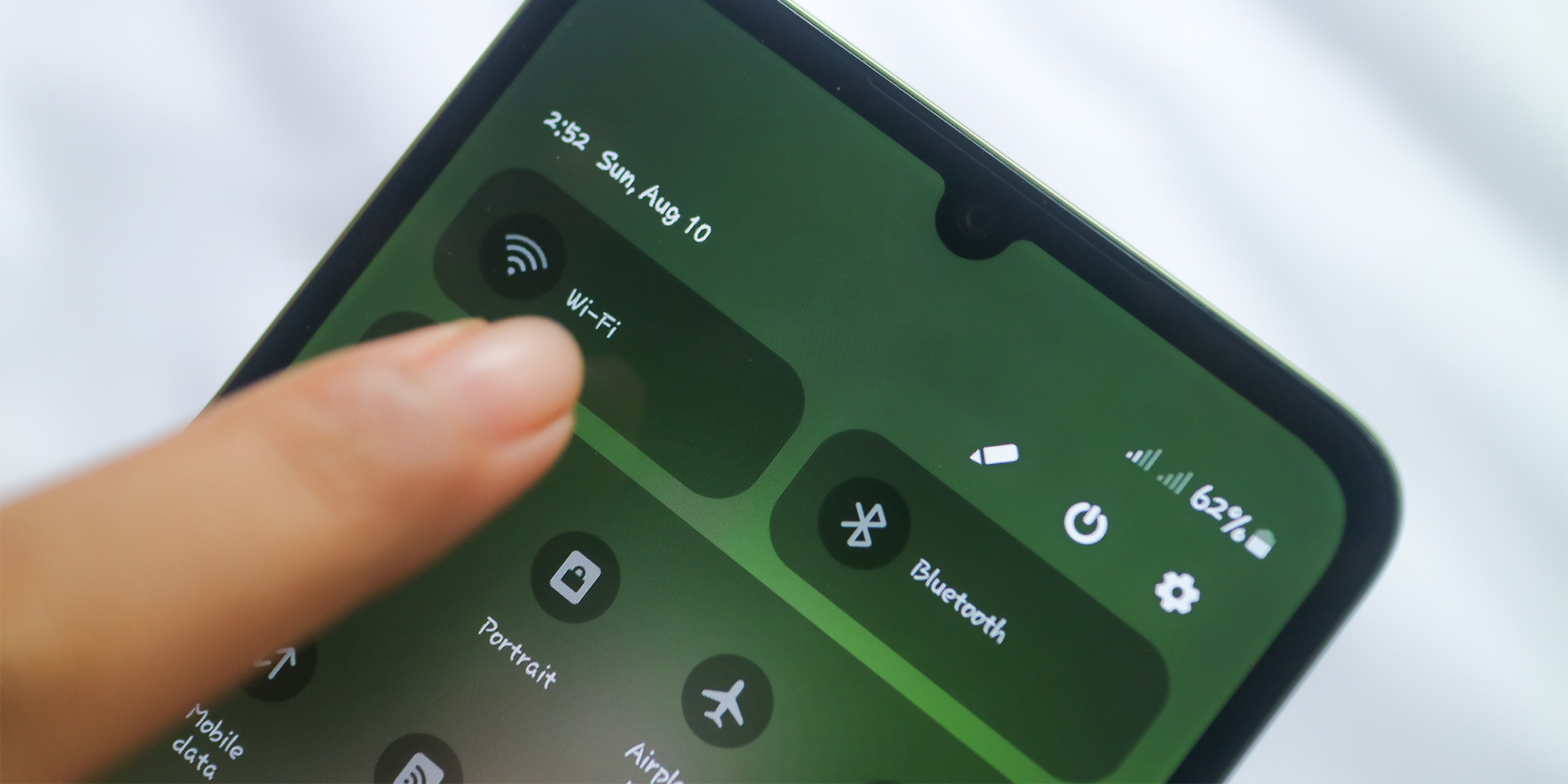
Many robot vacuums require a 2.4GHz wi-fi signal to pair with your phone. Most modern home networks combine 2.4GHz and 5GHz, which means you may need to switch your wi-fi to 2.4GHz temporarily before your shiny new robot will agree to join the family. Knowing this beforehand will save a lot of confusion.
It's the kind of thing you only discover after you've unpacked a large box, downloaded an app and started wondering whether the robot is already plotting against you. Considering that most robot vacuums are operated with an app, this initial wi-fi confusion is a common stumbling block.
2. They're better suited to hard floors
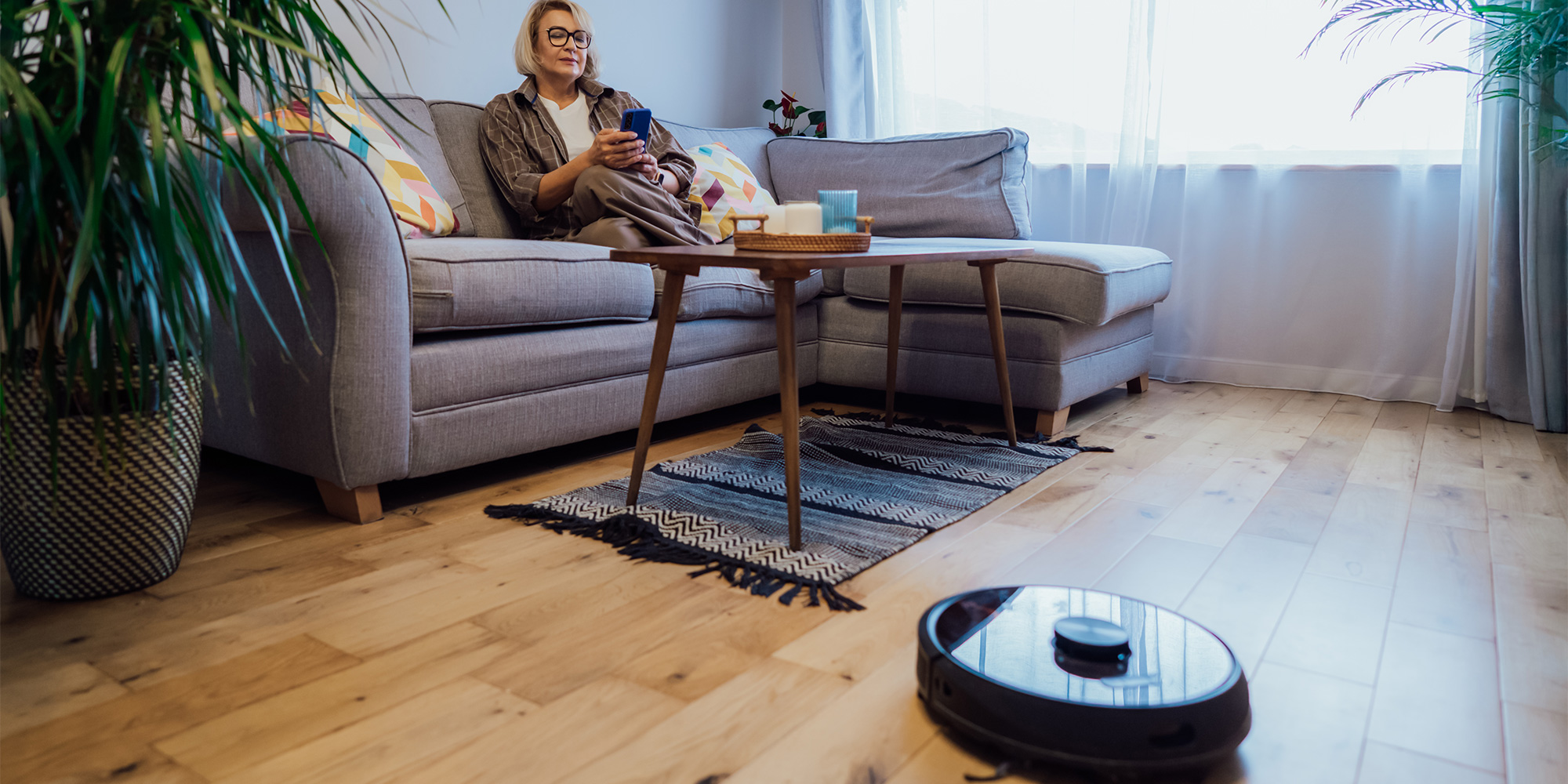
In our tests, robot vacuums generally did a better job picking up debris from hard floors than carpets.
That doesn't mean carpet performance was terrible. It just wasn't where they were most convincing. A robot vacuum can happily buzz around hard floors collecting everyday crumbs, dust and dirt; carpet gives it rather more to think about.
Interestingly, we didn't find a specialist machine that was brilliant on one surface and hopeless everywhere else. Performance was generally consistent, so a vacuum that did well on carpet tended to perform reasonably well on hard floors and with pet hair, too.
3. Most are only OK with pet hair
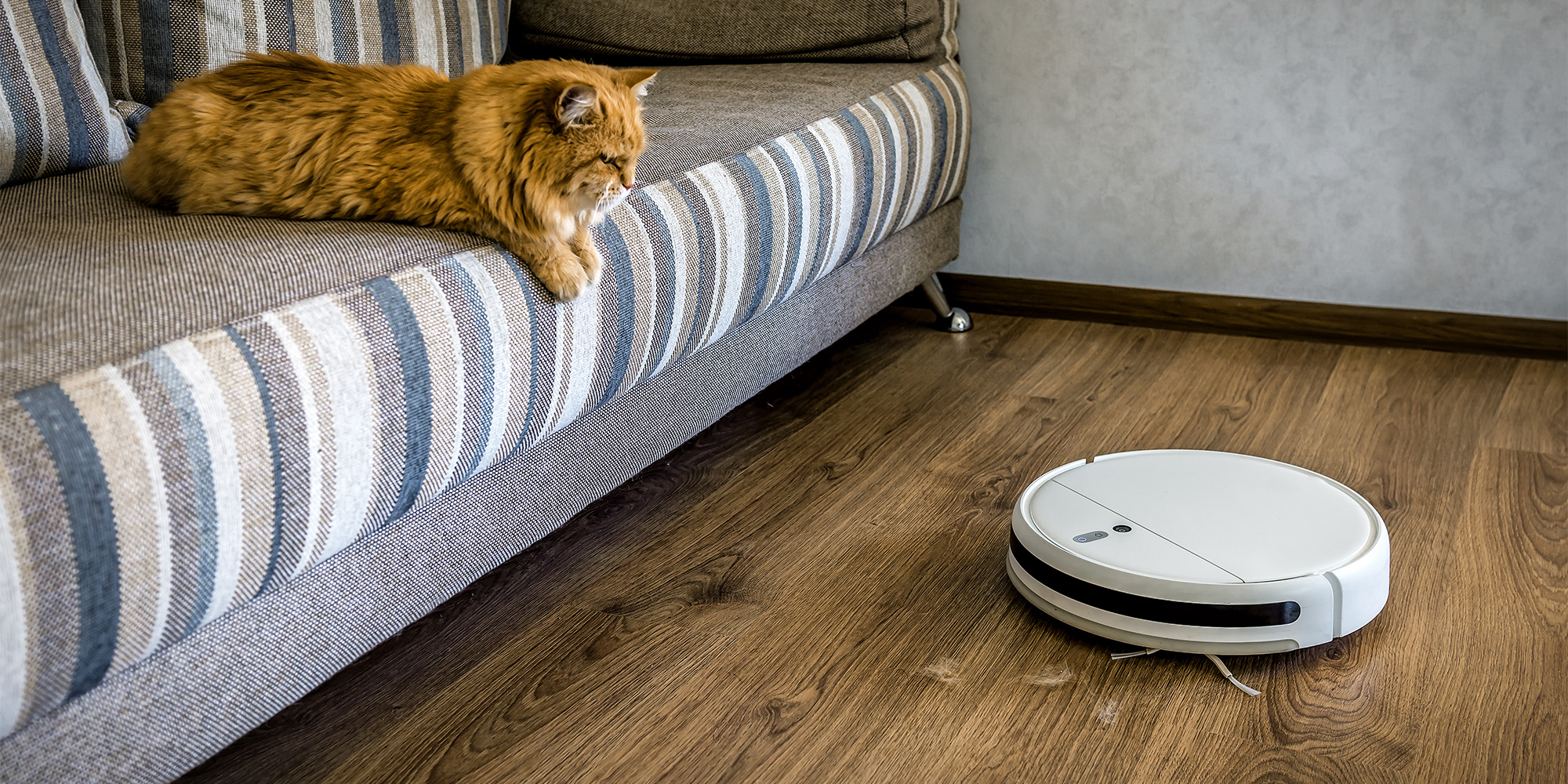
If you share your home with a dog or cat, you will know that pet hair has a remarkable ability to appear in places where it shouldn't.
Unfortunately, most robot vacuums weren't particularly impressive at handling it.
We only found two models that were exceptions. Both were particularly impressive, removing all visible hair to a level comparable to a standard pet-hair vacuum.
4. The less clutter, the better

This is where the dream of the autonomous robot collides with real life.
Most of the vacuums we tested struggled with our simple living room setup, particularly when cables were involved. The apps do let you create no-go zones, which is useful for stopping the robot from repeatedly getting stuck.
But there's a fairly obvious catch: if you tell the robot not to go somewhere, it won't clean there either.
That makes these machines much better suited to minimalist homes. If your floor is largely clear, your robot can get on with its work.
5. Pay attention to the shape
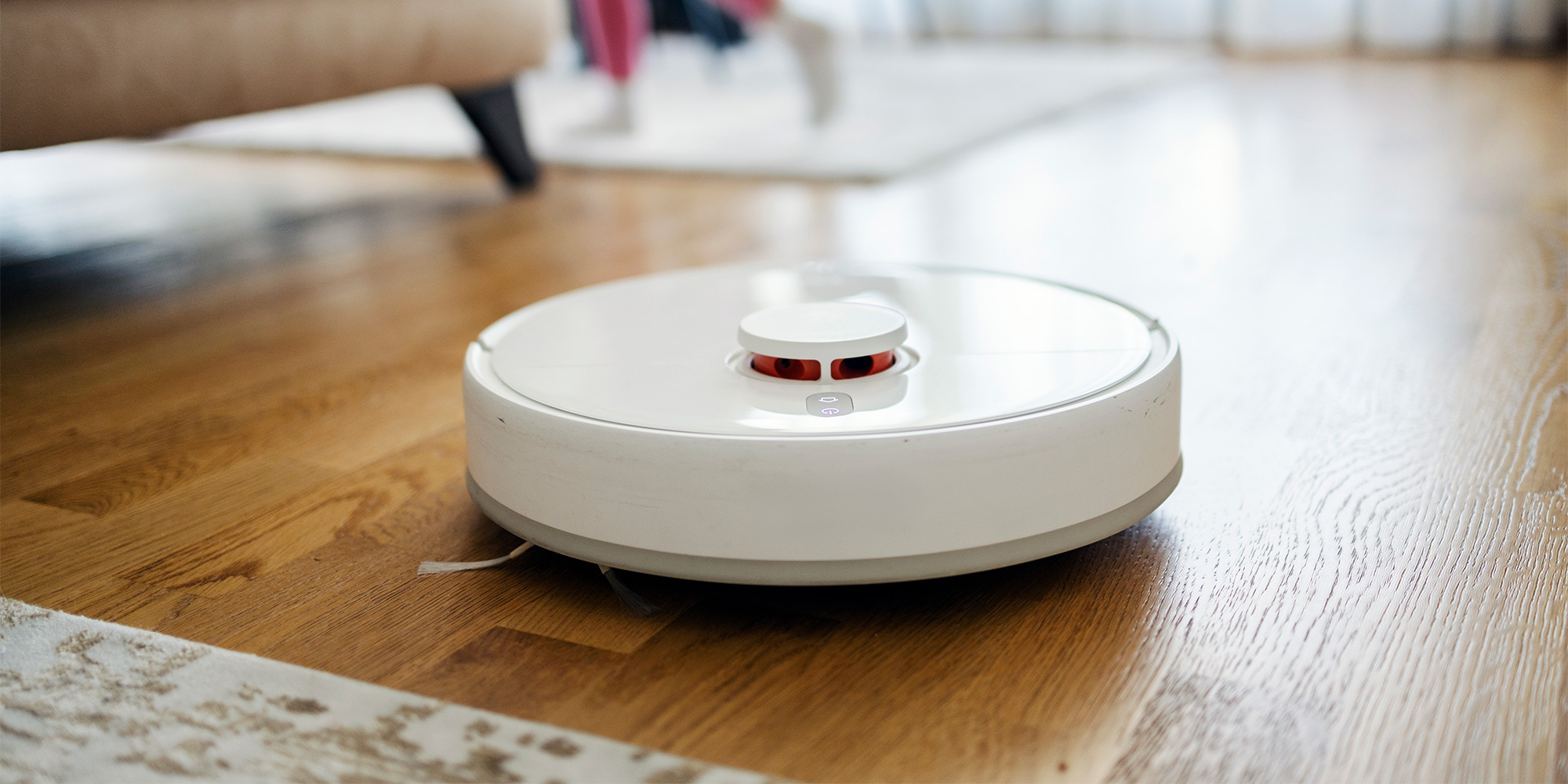
Most robot vacuums are round, which makes sense from a robot vacuum perspective but less so when they hit a 90-degree corner.
A circular machine simply can't get into a square corner. Some models use extendable arms to sweep debris out from edges, but clever engineering can only go so far. Fine or embedded dirt in corners will still need the nozzle attachment of a conventional vacuum.
3 things you can ignore
1. The mop function
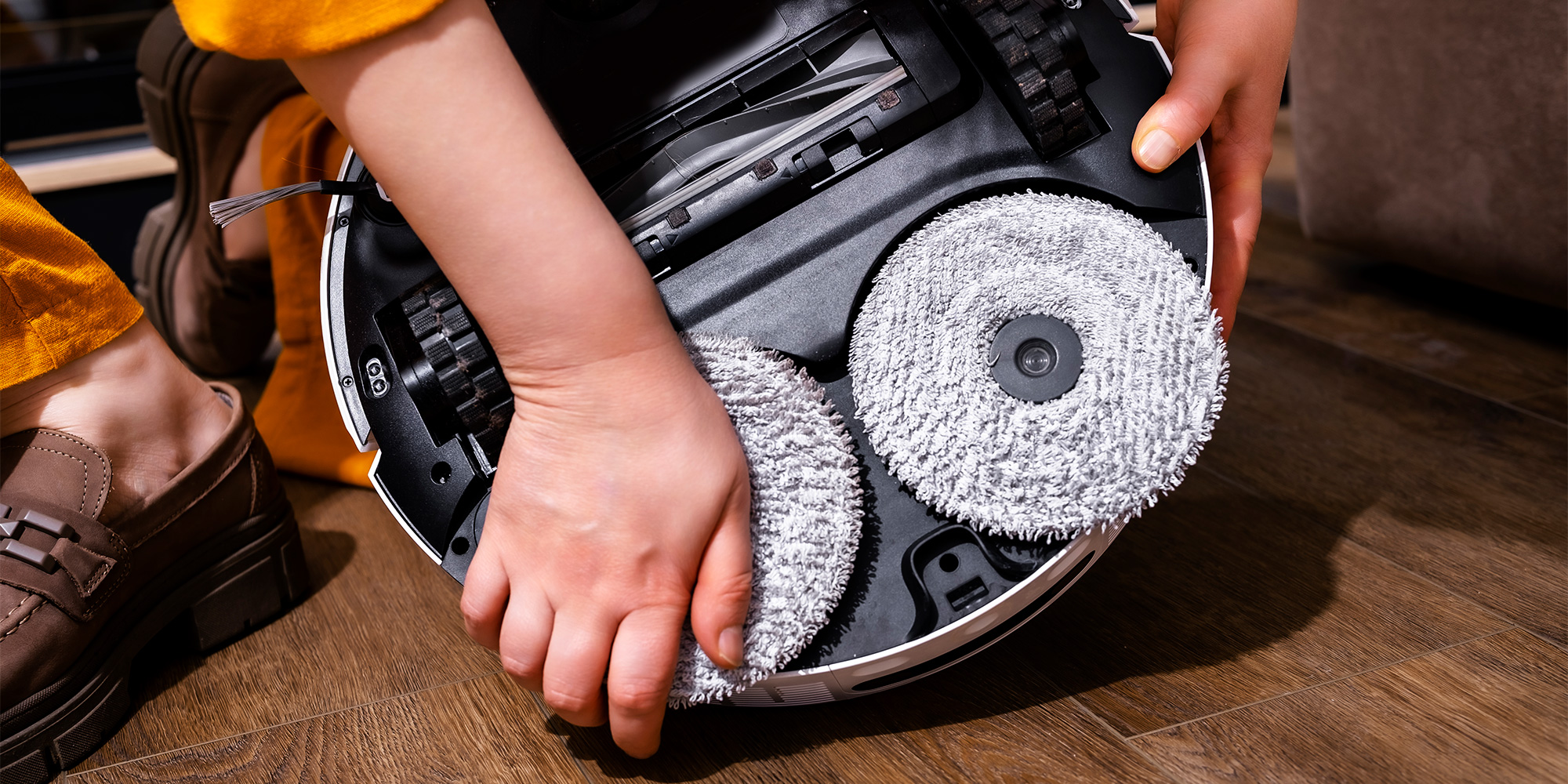
Apart from one model, the robot vacuums we tested were generally average at mopping. That is despite some using cleaning solutions and others relying on hot water.
The bigger issue is what happens afterwards.
Whatever you've just mopped up goes into the robot and then needs cleaning. Spilled water? Fine. A little dust? Fine. Jam? Congratulations, you've just turned your futuristic household robot into a sticky maintenance project.
The mopping function might help keep up with everyday marks, but we wouldn't make it the deciding factor when buying one.
2. The promise of speed
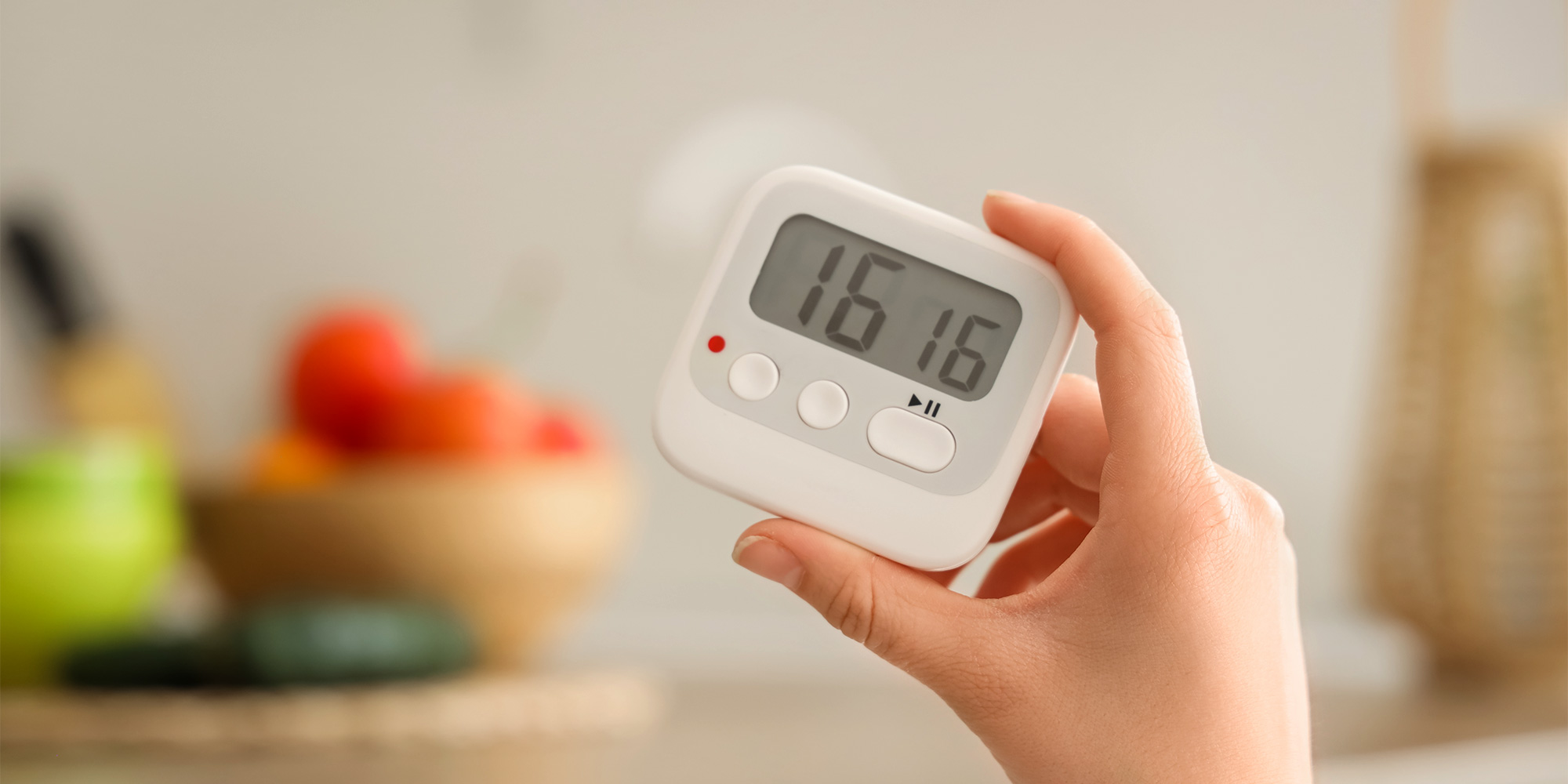
Every robot vacuum we tested took longer to clean an area than a person would with a conventional vacuum. On average, they took around three minutes to clean a tiny carpeted area.
That sounds painfully slow until you remember that you're not doing it.
The entire appeal is that the robot can potter around while you get on with something else. So don't think of it as a faster vacuum cleaner. Think of it as outsourcing.
You're paying someone to do the job while you make a cup of tea. The someone just happens to be a small disc that occasionally gets trapped under a chair.
: which vacuum brand is best?3. The hidden downside of self-cleaning docks
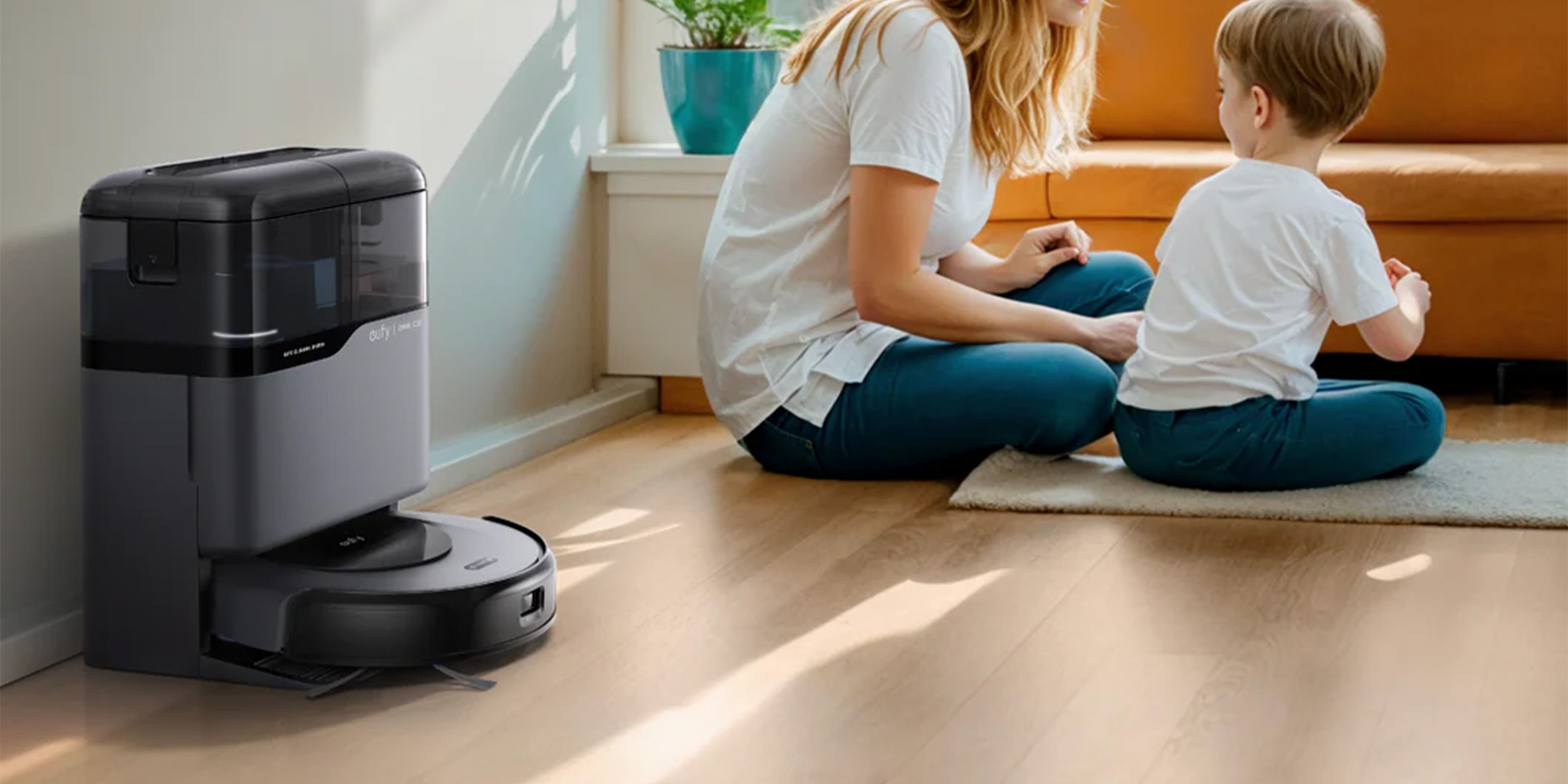
Self-emptying and self-cleaning docks are genuinely useful. They mean you don't have to empty the robot's dustbin constantly, and some bases only need cleaning every six weeks or so.
The problem is that these things seem to have been designed assuming every home has plenty of space.
The docks can be monstrously large and heavy, and many require around a metre of clearance on either side. That makes them surprisingly hard to tuck away in a corner, which is unfortunate for something designed to make your household chores disappear.
Popular Which?-tested robot vacuums
Dyson 360 Vis Nav Robot Vacuum
 We like: We don’t like:
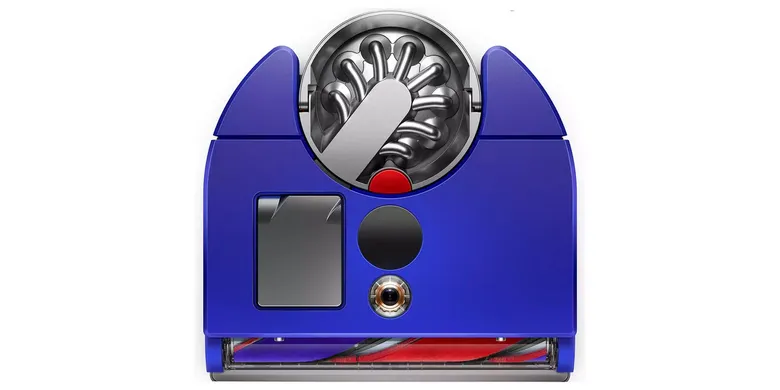
 The Dyson 360 Vis Nav uses a camera and sensors to map your home, avoid obstacles and remember where it has cleaned. It has a powerful motor and can automatically increase suction when it detects more dust.
It has a brush bar that stretches across the full width of the vacuum, helping it pick up dust and debris close to walls. You can also use the MyDyson app to set cleaning schedules, choose cleaning modes and see maps of your home.
Samsung Bespoke AI Jet Bot Combo AI+ Vacuum Cleaner
 We like: We don’t like:
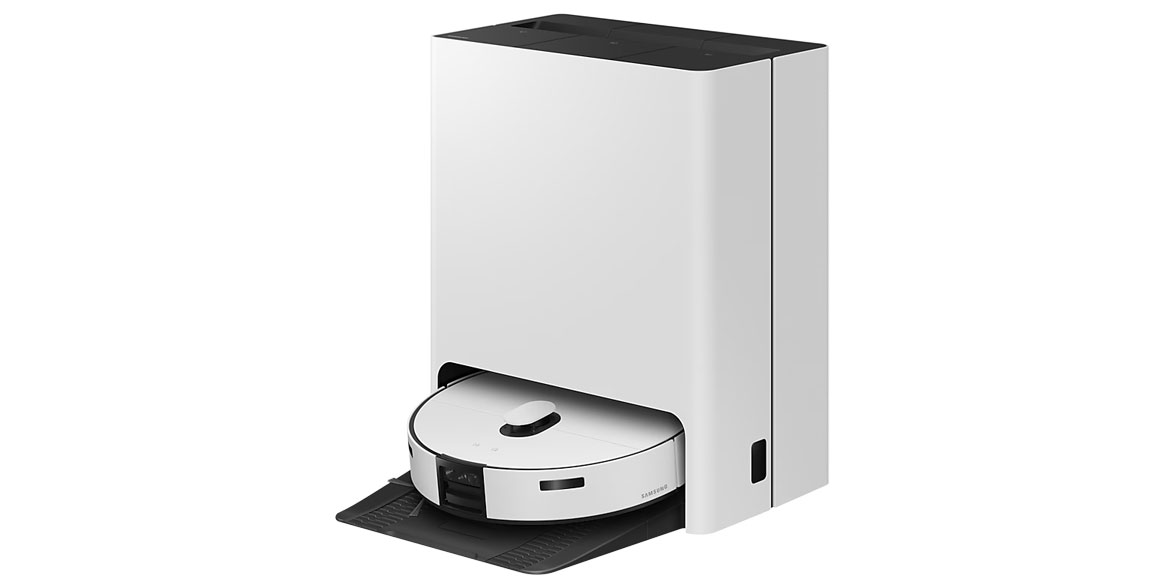
 The Samsung Bespoke AI Jet Bot Combo AI+ combines vacuuming and mopping, with AI-powered object recognition that helps it identify furniture, appliances and different flooring types as it moves around your home. Its camera also helps it recognise spaces and map your rooms.
It has rotating mop pads that can lift themselves when the robot detects a carpet, while the cleaning station washes and dries the mop pads after use. You can also control the robot through the SmartThings app, including setting cleaning schedules and checking its progress.
Eufy Omni C20 Robot Vacuum
 We like: We don’t like:
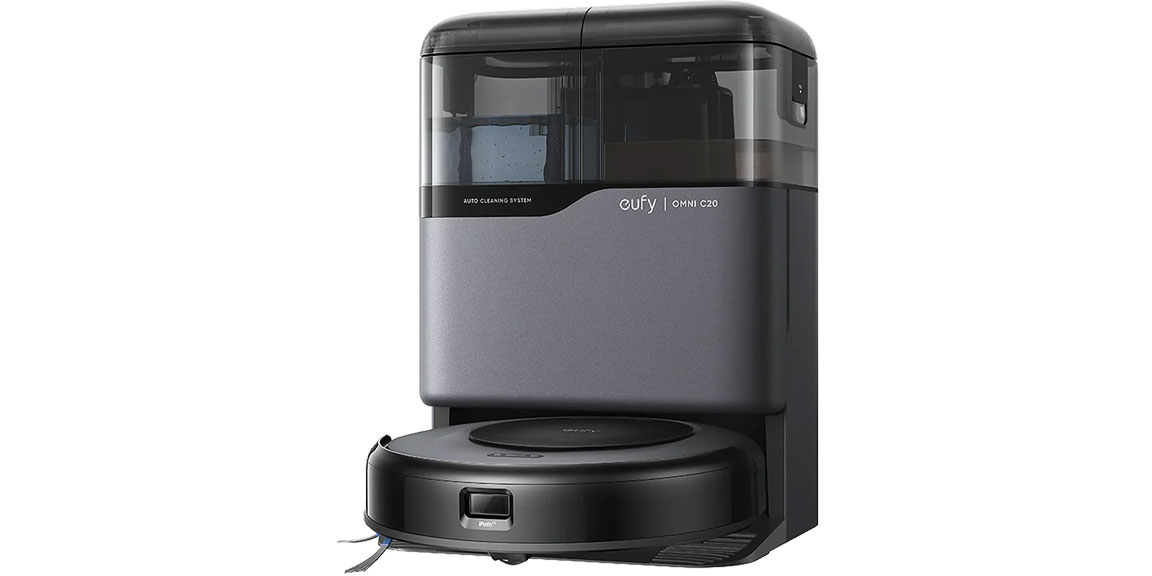
 The Eufy Omni C20 combines vacuuming and mopping in a slim design that lets it clean under low furniture. It uses rotating mop pads to tackle marks on hard floors.
Its Omni station can automatically empty the dustbin, wash the mop pads and dry them after cleaning. The robot can also detect carpets and lift its mop pads to avoid getting them wet.
source https://www.which.co.uk/news/article/things-to-look-for-in-a-robot-vacuum-and-what-you-can-ignore-aa6yj7v7L6JW